


 By Vani
The museums in Hanoi suit different interests: Hoa Lo for prison and war history, Ethnology for everyday culture and traditional houses, Military History for equipment and campaigns, Ho Chi Minh for political history, and the Women’s Museum for family and social history. Choose one or two, check opening days, and allow time for transfers.
The museums in Hanoi offer different ways to understand Vietnam, from prison cells and wartime objects to family life, clothing and traditional houses. Hoa Lo Prison is near Hoan Kiem Lake, while the Vietnam Military History Museum requires a separate journey out along Thang Long Boulevard. If your stay is two or three days, with room for day trips from Hanoi before travelling to Ha Long Bay or Sapa, choose a museum that matches your interests rather than trying to fit every collection into one afternoon. One well-paced visit can be more useful than a sequence of rushed stops.
Our team at Truly Voyage suggests planning the visit around the collection, the journey and your preferred pace. Below, compare five museums, their published visitor information, a rainy-day route and the value of a guide. Allow time to read, sit down and discuss what you have seen, especially if a difficult history exhibition is your first stop. This guide covers dedicated museums and Hoa Lo’s prison relic; temples such as the Temple of Literature are a different kind of visit. You can combine them in a wider itinerary without treating each place as another museum to tick off.

What Are the Best Museums in Hanoi Worth Your Time?
If you have one afternoon, choose the museums in Hanoi by interest. Hoa Lo covers prison and war history, Ethnology daily life and traditional houses, Military History equipment and campaigns, Ho Chi Minh political history, and the Women’s Museum family and social history.
These five choices cover different subjects rather than a universal ranking. The entries below explain what to expect, suggested visit lengths and the practical trade-offs. A war-history collection may feel absorbing to one traveller and tiring to another; a social-history museum can offer a useful change of pace after a morning of conflict exhibits.
| If your main interest is… | Visit… |
|---|---|
| Vietnam War history and POW stories | Hoa Lo Prison |
| Culture, craft, and family time | Vietnam Museum of Ethnology |
| Military hardware and modern strategy | Vietnam Military History Museum |
| Ho Chi Minh’s life and politics | Ho Chi Minh Museum |
| Women’s and social history | Vietnamese Women’s Museum |
Hoa Lo Prison: The Prison Museum in Hanoi Everyone Talks About
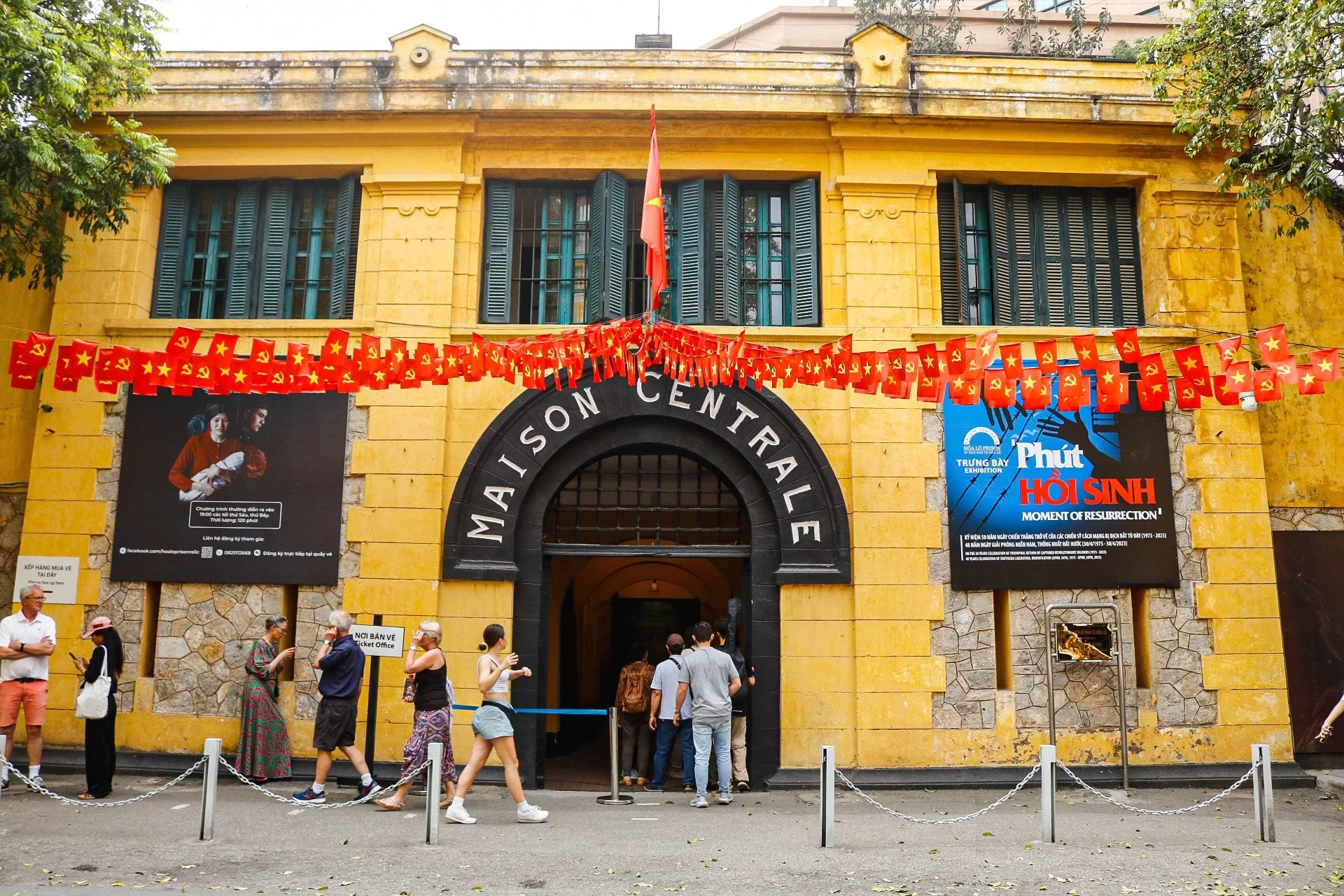
Hoa Lo is a prison relic whose exhibits cover Vietnamese revolutionaries held during the French colonial period as well as the later chapter involving American prisoners of war. The tourism authority’s programme description identifies the colonial prisoners’ experiences as the main focus of the museum and evening tour. (Source: Vietnam National Authority of Tourism) Approach it as a site presenting a particular historical narrative, with reconstructed scenes and objects that deserve time to read and consider. If your interest is mainly the Vietnam War, leave room for the earlier colonial story rather than assuming the entire visit is devoted to American pilots.
The surviving prison spaces and cell displays give this stop a more confined atmosphere than a conventional gallery. Some material may be upsetting, particularly for children or visitors sensitive to imprisonment and violence. Decide how much of the exhibition you want to see and pause when needed, rather than using a fixed minimum age as a guarantee that everyone will be comfortable. Its central location can make it easier to pair with another nearby visit than the larger museums farther from the lake. Budget one to two hours as a suggested visit length, with extra time if you prefer to listen to an audio guide and read the panels closely.
Hoa Lo also offers the evening programme Sacred Night. The tourism authority’s description says it launched in July 2020 and runs on Friday, Saturday and Sunday from 7:00 PM for 90 minutes. (Source: Vietnam National Authority of Tourism) That published overview is useful context, but confirm the date, theme, language, price and arrival instructions directly with Hoa Lo before making an evening plan. An evening programme and a daytime admission ticket are different bookings. If you want to continue to the Hanoi night market or explore Hanoi nightlife, allow for the actual finish time and the journey, instead of assuming every programme leaves the same amount of time afterwards.
Vietnam Museum of Ethnology: A Great Museum of Ethnology in Hanoi for Families
The Vietnam Museum of Ethnology introduces the traditions and daily life of Vietnam’s 54 ethnic groups through clothing, household objects, musical instruments and other exhibits. (Source: Vietnam National Authority of Tourism) This museum of ethnology in Hanoi offers a cultural counterpoint to the war-focused stops: you can compare how people live, make things and express identity instead of following a military timeline. Take time with a few displays that interest you rather than trying to memorise a list of communities. For families, the subjects can give adults and children different details to look for within the same visit.
The indoor collection and outdoor traditional houses give the visit two different settings. The tourism authority describes full-scale ethnic-minority house replicas outside and a separate wing for Southeast Asian art. (Source: Vietnam National Authority of Tourism) Like a water puppet show, the displays can help connect craft and performance with daily life. Ask which areas are accessible on the day, and choose the sections that fit your comfort with steps and outdoor walking. Heavy rain or midday heat may make the garden less appealing, while the indoor exhibits still provide a useful cultural visit.

Budget two to three hours, arriving in the morning or early afternoon before the outdoor garden gets hot, and expect this to be a strong single stop for families, culture lovers, and anyone wanting a lighter, more textured counterpoint to a morning spent at a war site.
Vietnam Military History Museum: The New War Museum in Hanoi Worth the Trip Out

The Vietnam Military History Museum’s newer campus on Thang Long Boulevard is a different destination from its former address at 28A Dien Bien Phu Street. Check the map pin and vehicle drop-off when arranging your journey, particularly if an older guide or saved location still points to the previous site. The collection focuses on military history, campaigns and equipment, so it suits visitors who want to spend time with those subjects. Give it a dedicated part of the day rather than adding it as though it were another short walk around Hoan Kiem Lake.
Aircraft and other military equipment make the scale of this collection part of the experience. Choose the galleries and displays that interest you most, then allow time for the spaces between them. Compared with the Vietnam Museum of Ethnology, the emphasis here is on conflict and campaigns rather than domestic life and craft. Neither is automatically the better choice: consider which subject you want to explore and how much reading or walking you enjoy. Combining both can be tiring if the transport and visits fill the entire afternoon.
Budget two to three hours as a suggested visit length and plan your return transport before entering. Check available food, water and rest facilities rather than assuming there is no cafeteria or that every service will be operating. This suits military-history enthusiasts and visitors interested in equipment, while someone looking for a compact central-city stop may prefer Hoa Lo. The historic Flag Tower is a separate sightseeing choice; a visit to the old area does not put you beside the relocated military collection. If you have limited time, choose the destination first and build the rest of the day around its actual location.
Ho Chi Minh Museum in Hanoi: Essential for History and Politics Lovers
The Ho Chi Minh Museum in Hanoi focuses on Ho Chi Minh’s life and political career through objects, images and thematic displays. Its exhibition design can feel more symbolic than a straightforward sequence of labels, so a guide may help if this is your first encounter with the subject. The museum is at 19 Ngoc Ha, near the wider Ba Dinh sites, but admission to the museum should not be confused with access to the Mausoleum, Presidential Palace or stilt-house grounds. Confirm the individual places you plan to enter and follow the instructions given at each entrance. Combining nearby sites still requires separate planning.
Budget around an hour for the museum alone, or half a day if combining it with the rest of the Ba Dinh Complex, and expect this to suit travellers who want one concentrated stop on Ho Chi Minh’s life and Vietnam’s twentieth-century politics, rather than the broader war narrative told at Hoa Lo or the Military History Museum. The one detail worth knowing ahead of time, covered in full in the table below, is that it keeps a shorter and more particular schedule than most other stops on this list.
Vietnamese Women’s Museum: An Underrated Museum in Hanoi
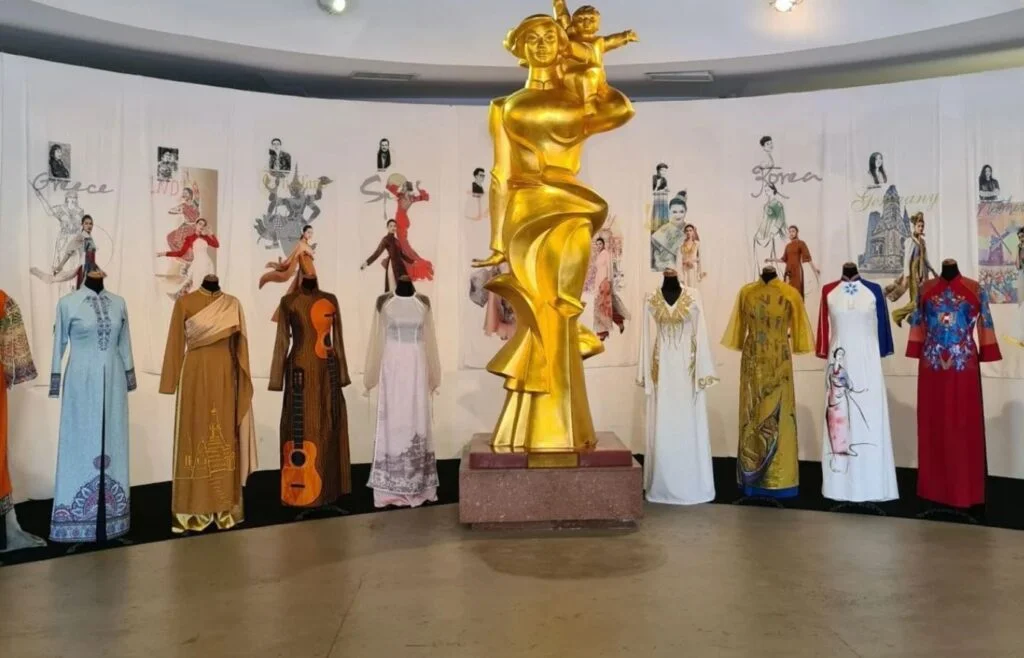
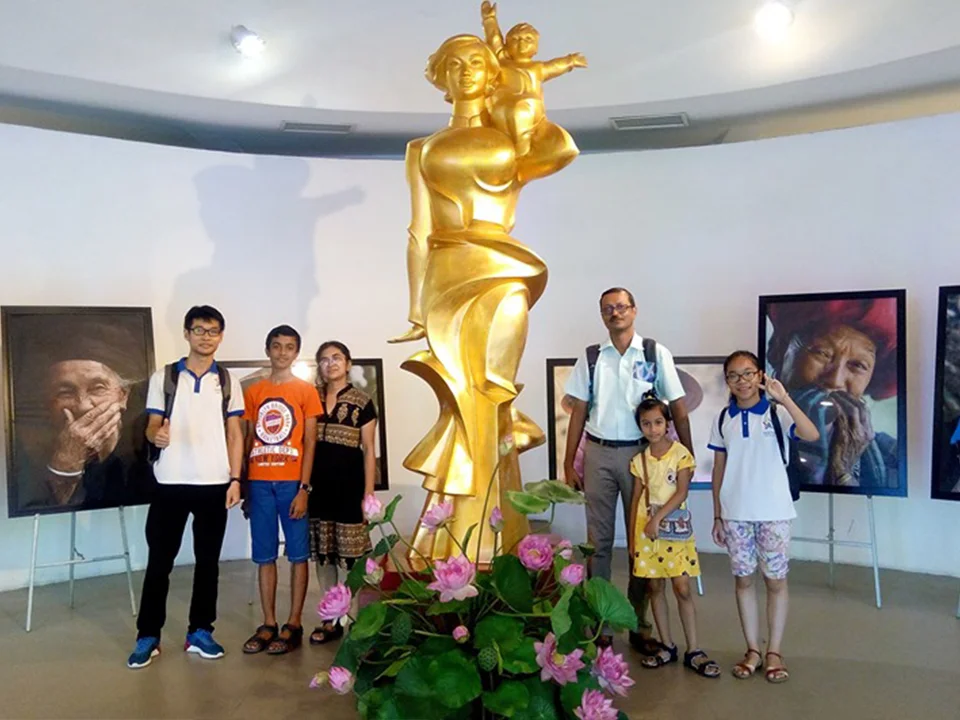
The Vietnamese Women’s Museum was established in 1987 under the Vietnam Women’s Union and opened to visitors in 1995. (Source: Vietnamese Women’s Museum) Its main themes cover women in family life, history and fashion. Rather than treating it as a lighter backup to a war museum, consider whether those subjects are central to what you want to understand about Vietnam. Clothing, family roles and personal histories can offer a different perspective on the same country you encounter in political and military exhibitions. The choice depends on your interests, not on a historical visitor ranking.
The museum’s visitor page describes an audio programme covering its family, history and fashion themes. (Source: Vietnamese Women’s Museum) Ask at the desk about available languages, rental terms and any children’s activities on the day. An audio guide may let you follow the visit at your own pace; a live guide can answer questions and help you choose where to spend time. Do not assume a specific Discovery Room programme or shop arrangement is included with admission. If you want to buy textiles or crafts, ask about the item and its maker rather than relying on a general promise about how proceeds are distributed.
Located on Ly Thuong Kiet Street, an easy walk from both Hoan Kiem Lake and Hoa Lo Prison, it remains one of the most quietly rewarding stops among any museum in Hanoi that first-time visitors research in advance but rarely prioritise. Budget one and a half to two hours, and expect this to suit families, anyone curious about gender and social history, and travellers wanting a lighter but still substantive stop after a heavier war-history morning.
What Are the Opening Hours and Ticket Prices for Museums in Hanoi?
Opening days matter as much as the ticket price. Hoa Lo and the Women’s Museum publish daily hours; Ethnology closes on Mondays, while Military History and the Ho Chi Minh Museum have split sessions and Monday/Friday closures. Check dated holiday notices before making a special journey.
The table summarises published standard visitor information, with approximate USD equivalents for planning. It is not a dated reservation. For a holiday, special exhibition or evening event, check the museum’s own announcement and the correct type of ticket. Build your arrival time around the end of the visiting session, not just the time a taxi might reach the entrance.
| Museum | Hours | Closed | Midday Break | Adult Ticket |
|---|---|---|---|---|
| Hoa Lo Prison | 8:00 AM to 5:00 PM, daily | None, open every day including Tet | None | Approx. US$2 (50,000 VND) |
| Vietnam Museum of Ethnology | 8:30 AM to 5:30 PM | Mondays; confirm Tet arrangements | None | Approx. US$1.60 (40,000 VND) |
| Vietnam Military History Museum | 8:00 to 11:30 AM and 1:00 to 4:30 PM | Mondays and Fridays | Yes, roughly 11:30 AM to 1:00 PM | Approx. US$1.60 (40,000 VND) |
| Ho Chi Minh Museum | 8:00 AM to noon and 2:00 to 4:30 PM | Mondays and Fridays | Yes, noon to 2:00 PM | Approx. US$1.60 (40,000 VND) for international visitors |
| Vietnamese Women’s Museum | 8:00 AM to 5:00 PM, daily | None | None | Approx. US$1.60 (40,000 VND) |
Approximate USD equivalents use an illustrative rate of 25,000 VND per US$1, not a live exchange-rate quote. Hoa Lo publishes 50,000 VND daytime admission and 8:00 AM–5:00 PM daily, including holidays and Tet. (Source: Hoa Lo Prison Relic) The tourism authority lists Ethnology at 40,000 VND, 8:30 AM–5:30 PM, closed Mondays. (Source: Vietnam National Authority of Tourism)
For Military History, Cong Luan’s report of the museum’s fee announcement gives 40,000 VND standard admission, morning and afternoon sessions, and Monday/Friday closures. (Source: Cong Luan) The Ho Chi Minh Museum’s visitor page gives 8:00 AM–noon and 2:00–4:30 PM on its five opening days; its separate ticket page lists 40,000 VND for international visitors. (Source: Ho Chi Minh Museum)
The Women’s Museum publishes 8:00 AM–5:00 PM every day. (Source: Vietnamese Women’s Museum) Its 40,000 VND fee in the table is the tourism authority’s published reference; confirm the current charge at the museum. (Source: Vietnam National Authority of Tourism) Ethnology’s holiday arrangements should also be checked directly, especially around Tet.
For Monday planning, Hoa Lo and the Women’s Museum are the straightforward choices among these five under their published standard schedules. For a lunch-hour visit, the split sessions at Military History and the Ho Chi Minh Museum require more care: the former reopens at 1:00 PM and the latter at 2:00 PM. Confirm any temporary change before leaving, particularly if you are travelling out to the military museum. Keep a nearby alternative in mind so a changed timetable does not require crossing the city again.

A JOURNEY SHAPED AROUND YOU
Start with what matters.
We can plan from there.
Tell us what you enjoy, how you like to travel and where you would like more time. We can discuss a private itinerary around your interests and preferred pace.
What Is the Best Rainy Day Plan for Museums in Hanoi?
Depending on the best time to visit Hanoi, you might encounter unexpected downpours. ☔ If it has just started raining and you are searching for something dry and worthwhile nearby, a great answer is Hoa Lo Prison in the morning, lunch or coffee at a nearby cafe, and the Vietnamese Women’s Museum in the afternoon.
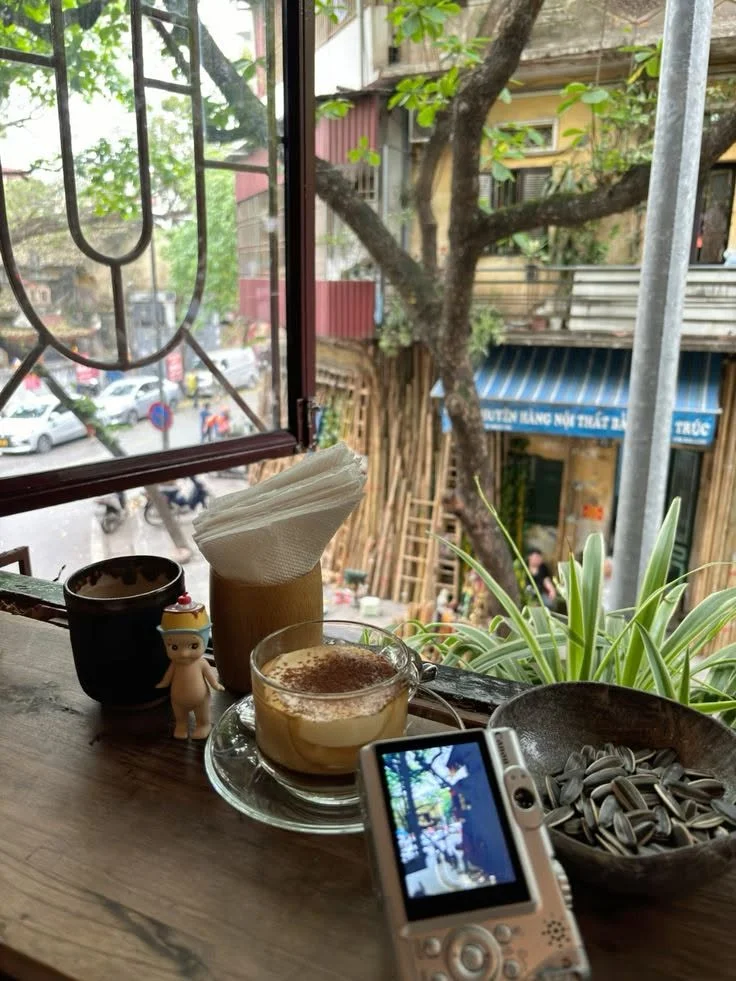
Hoa Lo and the Women’s Museum are central-city choices with published continuous daytime hours. You can pair the indoor exhibits with a café break without waiting for an afternoon reopening. The Ethnology Museum also has indoor galleries, but its outdoor houses are less comfortable to explore in a downpour. Check the walking route and weather between stops, and use a vehicle if heavy rain, slippery pavements or traffic make walking uncomfortable. Being near each other does not mean every part of the journey is sheltered.
| Time | Stop | Notes |
|---|---|---|
| 8:30 to 9:00 AM | Arrive at Hoa Lo Prison | Rent the audio guide at the entrance |
| 9:00 to 11:00 AM | Tour Hoa Lo Prison | Budget the full two hours, not a rushed 45 minutes |
| 11:00 to 11:15 AM | Walk to a nearby cafe | Choose the café and check your actual walking route |
| 11:15 AM to 12:30 PM | Lunch or coffee | A good stretch to wait out the heaviest rain indoors |
| 1:00 to 2:30 PM | Vietnamese Women’s Museum | No midday closure here, so timing stays flexible |
| 2:30 PM onward | Museum cafe or gift shop | Browse if you wish; ask about makers and products |
Use the timetable as a suggested sequence, with room to shorten a visit or extend a rest break. Start with Hoa Lo, pause for lunch or coffee nearby, then continue to the Women’s Museum if you still feel interested and comfortable. Choose the café and check the walking route before leaving. Rain may continue through the afternoon, so choose your transport by the conditions. This pairing can also work on a dry day, and either museum can be a sufficient visit on its own.
Which Museums in Hanoi Suit Your Rainy-Day Visit?
A central museum pairing works best when it fits your interests and energy. Decide whether to visit both collections or spend more time at one.
Before you go
- Check the opening day and choose your first museum.
- Plan a café break and the route between stops.
- Compare an audio guide with a live guide before booking.
Who it suits: Travellers who want two central collections with time to pause between them.
Who may prefer something else: Visitors sensitive to prison exhibits may choose the Women’s Museum alone; those mainly interested in traditional houses can plan Ethnology for suitable weather.
Is It Worth Hiring a Private Guide for Museums in Hanoi?
A private English-speaking guide can help at Hoa Lo or Military History if you want to ask questions about the displays. Compare the guide’s knowledge and approach with a self-guided visit, and ask separately about any museum audio service.
For the Vietnam Museum of Ethnology and the Vietnamese Women’s Museum, a self-guided visit can work if you prefer to read at your own pace. Ask about English panels and available audio languages when choosing how to visit; not every exhibition or activity necessarily has the same language provision. A guide may still be valuable if you want to discuss a specific craft, family tradition or historical topic. The Ho Chi Minh Museum’s symbolic exhibition design is another reason to compare a guided visit with reading the displays independently.
A private guide’s main advantage is the chance to ask questions and connect the displays with the history you want to understand. The value depends on the guide’s knowledge, language and approach, not simply on having someone accompany you. Discuss your interests before booking: colonial history, wartime narratives, family life and military equipment are different subjects. Agree on the pace and places you want to see rather than expecting a single half-day to cover all five museums in depth.
If you decide it is worth it, the process is straightforward:
- Decide which museum or museums merit a guide, using the breakdown above as your starting point.
- Contact a guide or an operator such as Truly Voyage with your dates, preferred language and museum choices. Allow a few days for arrangements as a planning suggestion, and ask separately about availability for an evening programme.
- Confirm the meeting point, start time, language, ticket inclusions and transport before the day itself. For Sacred Night, ask about the programme format and language arrangements rather than assuming a private guide changes the museum’s own event.
- Leave an arrival buffer and follow the booking’s actual check-in instructions. Do not rely on a general promise that gates open thirty minutes before every evening programme.
If you would like help comparing a guided visit within Hanoi tours, tell Truly Voyage which collection interests you and how much time you have. We can discuss adding a museum visit to a wider itinerary, then confirm the guide, transfers, tickets and any evening programme in the proposal. Ask what is included and who handles changes before booking. A published museum programme does not automatically mean a particular Truly Voyage tour or ticket allocation is available for your dates.
Frequently Asked Questions
Is Hoa Lo Prison closed on Mondays?
No. Its standard published schedule includes Mondays.
The Monday closure that trips people up applies to the Vietnam Museum of Ethnology, not to Hoa Lo.
Do museums in Hanoi close for lunch?
Yes. Military History and the Ho Chi Minh Museum operate separate morning and afternoon sessions; use the hours table to plan around their different breaks.
Hoa Lo Prison, the Vietnam Museum of Ethnology, and the Vietnamese Women’s Museum all run continuously through the middle of the day.
How much does it cost to visit the Vietnam Military History Museum?
Use the standard fee in the admission table as your starting budget. Free and reduced-price categories depend on eligibility, so confirm any concession and required documentation with the museum.
The published announcement includes free entry for visitors under 16 and those aged 80 or over, alongside other categories. (Source: Cong Luan)
How do I book the Hoa Lo Prison Sacred Night tour?
Contact Hoa Lo directly to ask about the dated Sacred Night programme, booking channel, available languages and arrival instructions.
Confirm the price for the exact theme and date. Daytime admission and the evening programme are separate products, so do not assume a daytime ticket covers the event.
Which Hanoi museum is best for children and families?
Ethnology can suit families interested in traditional houses, craft and daily life. The outdoor area adds variety, but consider heat, rain, steps and the children’s interests.
The Women’s Museum is another option for family and social-history themes. Ask about activities available on the day rather than assuming a dedicated children’s programme is running.
What should I do about Hanoi’s museums if it starts raining?
Pair Hoa Lo Prison with the Vietnamese Women’s Museum, as set out in the rainy day plan above.
Both are indoor-heavy, sit close together in Hoan Kiem district, and keep continuous hours with no midday closure to work around.
Do Hanoi’s museums have English information for visitors who do not read Vietnamese?
Generally yes.
Ask the museum which panels, audio programmes or guided visits are available in English for the exhibitions you want to see. The Women’s Museum describes an audio service, but language availability and any charge should be confirmed before renting.
Is it worth hiring a private guide for Hanoi’s museums?
Most valuable at Hoa Lo Prison and the Vietnam Military History Museum, where narrative context adds the most.
A self-guided visit can suit Ethnology or the Women’s Museum if you prefer your own pace. Ask about English information for the exhibits you want to see.
Conclusion
Hanoi does not lack for museums; it lacks the free time to visit all of them, which is exactly why choosing well matters more here than in most cities.
Choose by subject: Hoa Lo for prison history, Ethnology for everyday culture and traditional houses, Military History for campaigns and equipment, Ho Chi Minh for political history, or the Women’s Museum for family and social history. Check the opening day and session, choose the right map location, and leave time for rest and transport. If Sacred Night interests you, ask Hoa Lo about a dated booking separately from daytime admission. For a wider Vietnam holidays itinerary, Truly Voyage can discuss where a museum visit fits your interests and pace, with the arrangements confirmed before booking.
Further Reading & Resources
Where the figures in this guide come from, plus related guides for planning your trip.
Sources
- Daytime admission and opening hours Hoa Lo Prison Relic · in Vietnamese
- Sacred Night: programme overview Vietnam National Authority of Tourism
- Vietnam’s must-see museums: Ethnology and Women’s Museum Vietnam National Authority of Tourism
- Military History Museum admission announcement (11 April 2025) Cong Luan · in Vietnamese
- Visitor opening hours and registration Ho Chi Minh Museum · in Vietnamese
- International visitor ticket information Ho Chi Minh Museum · in Vietnamese
- Visitor services, audio guide and opening hours Vietnamese Women’s Museum · in Vietnamese
- About the museum Vietnamese Women’s Museum · in Vietnamese
Related guides
A JOURNEY SHAPED AROUND YOU
Start with what matters.
We can plan from there.
Tell us what you enjoy, how you like to travel and where you would like more time. We can discuss a private itinerary around your interests and preferred pace.

Vani is the Founder and Lead Travel Designer at Truly Voyage. With over a decade of experience and a deep passion for her Vietnamese heritage, she specializes in crafting bespoke, unhurried itineraries. Vani is dedicated to helping travellers experience the authentic soul of Southeast Asia with absolute financial security and 24/7 on-ground support.
0 Comment