
The most useful Vietnam travel tips cover five things: check the visa rule for your passport, see a doctor about vaccines a month before you go, carry Vietnamese dong as well as a card, fly the long distances, and dress modestly at temples. Drink bottled water, and skip ice unless you know where it came from.
A first trip to Vietnam raises the same handful of questions: what to sort out before you fly, how to pay, how to get around, when to go and how to behave in temples and homes. This guide answers each one with advice from official sources, so you can spend less time worrying and more time enjoying the trip.
It is written for travellers from North America, the UK and elsewhere, so visa and health advice is split by passport where the rules differ. For help with routes and bookings, see our Vietnam travel resources or the finished itineraries in our Vietnam holidays collection ✈️.

How Should You Prepare for a Trip to Vietnam?
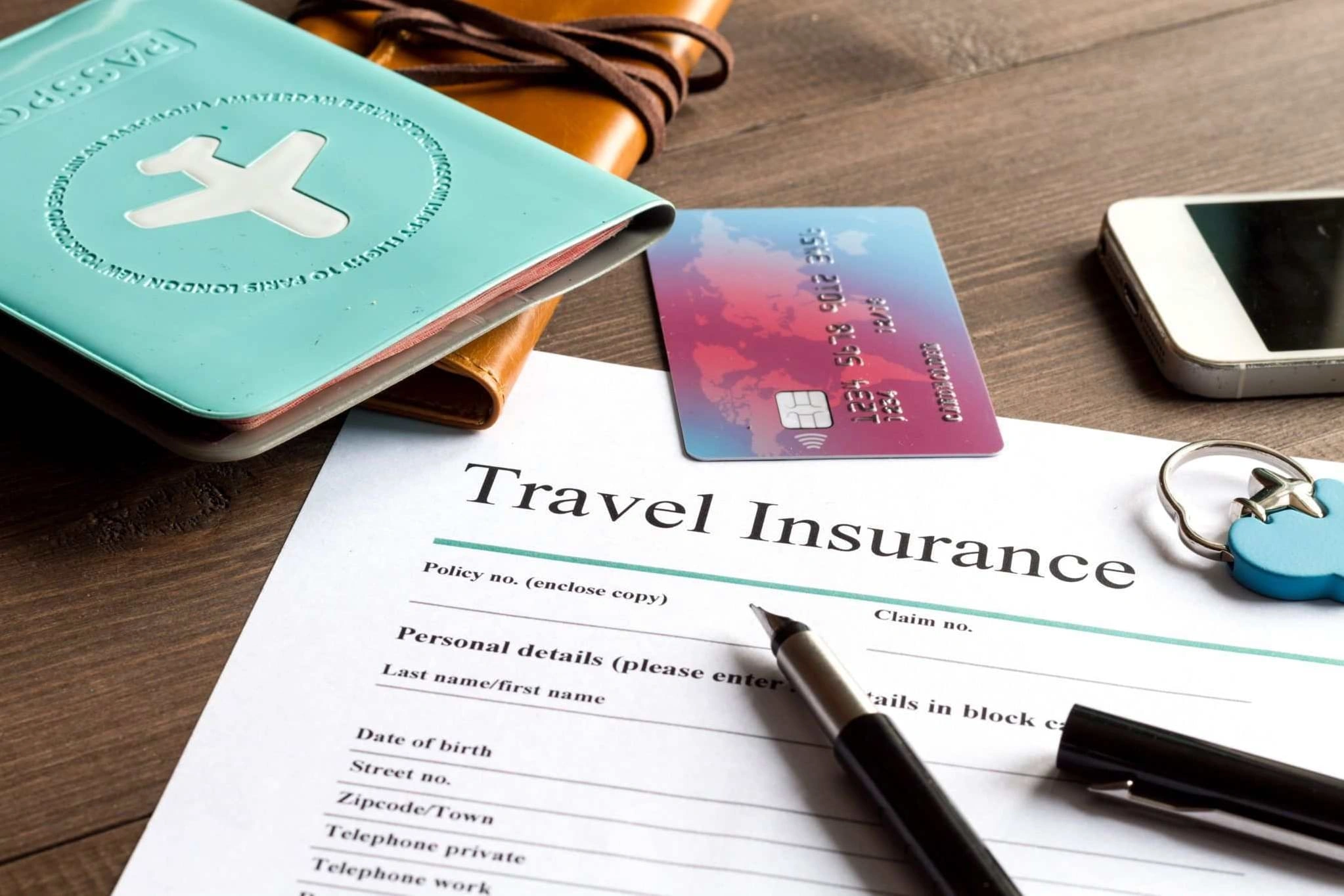
Before you fly, check the visa rule for your passport, make sure your passport has enough validity, see a doctor about vaccines and buy travel insurance with overseas medical cover.
Visa and entry requirements by passport
Visa rules depend on your nationality. U.S. citizens need a visa before they travel (Source: U.S. Department of State). Canadians need one too; the e-visa can be single or multiple entry and valid for up to 90 days, and your passport must be valid for at least six months beyond the date you leave Vietnam (Source: Government of Canada). The e-visa costs 25 USD for a single entry or 50 USD for multiple entries (Source: U.S. Embassy & Consulate in Vietnam).
British citizens can visit for up to 45 days without a visa, and their passport should be valid for six months after arrival with at least two blank pages (Source: UK Foreign, Commonwealth & Development Office). UK travellers will find more detail in our Vietnam UK visa guide and our guide to travelling from the UK to Vietnam.
If you need an e-visa, apply only through the official government portal run by the Vietnam Immigration Department (Source: Vietnam Immigration Department), and keep a copy of the approval with your passport.
Vaccines and travel insurance
Visit your doctor or a travel clinic at least a month before your trip (Source: U.S. Centers for Disease Control and Prevention). The CDC advises being up to date on routine vaccines, recommends hepatitis A and hepatitis B for unvaccinated travellers and typhoid for most travellers, and suggests Japanese encephalitis vaccine for longer stays in affected areas. Rabies vaccination before travel is worth discussing if you will be around animals or far from medical care. No yellow fever vaccine is required for entry.
Travel insurance matters as much as vaccines. Medicare usually does not cover health care while you travel outside the U.S. (Source: Medicare.gov), and Canadian provincial and territorial health plans rarely cover the cost of medical care abroad (Source: Government of Canada). Choose a policy with overseas medical and cancellation cover, check our guides to mosquitoes and dengue repellents in Vietnam and international hospitals and clinics in Vietnam, and if travelling on a UK passport read immunizations for Vietnam and travel insurance for Vietnam.
Prefer a private, unhurried trip?
Tell us your dates and pace. A local planner replies within one working day.
What are the most effective ways to manage money and logistics with a tourist guide to Vietnam?
Use Vietnamese dong for everyday spending, a card for ATMs and larger bills, domestic flights for long distances and ride-hailing apps in the cities.
Cash, cards and tipping
The local currency is the Vietnamese dong. Street-food stalls, markets and small shops expect cash, while hotels, larger restaurants and tour companies usually take cards. Exchange rates change daily, so check the rate with your bank rather than relying on a figure in a guide. A debit card that works at local bank ATMs is the simplest way to get cash; your bank and the ATM may each charge a fee, so take out larger amounts less often. Our guide to currency in Vietnam explains the notes and how to pay.
Tipping is not required. Vietnam’s national tourism board notes that tips are more common for tour guides and in spas than in restaurants (Source: Vietnam National Authority of Tourism).
| Payment | Good for | Keep in mind |
|---|---|---|
| Cash (dong) | Street food, markets, small shops | Carry small notes |
| Debit card | Cash from bank ATMs | Your bank and the ATM may both charge |
| Credit card | Hotels, larger restaurants, tours | Bring a backup card |
| Phone wallet | Larger shops and chains | Not accepted at most small stalls |
Getting around: flights, trains and ride-hailing
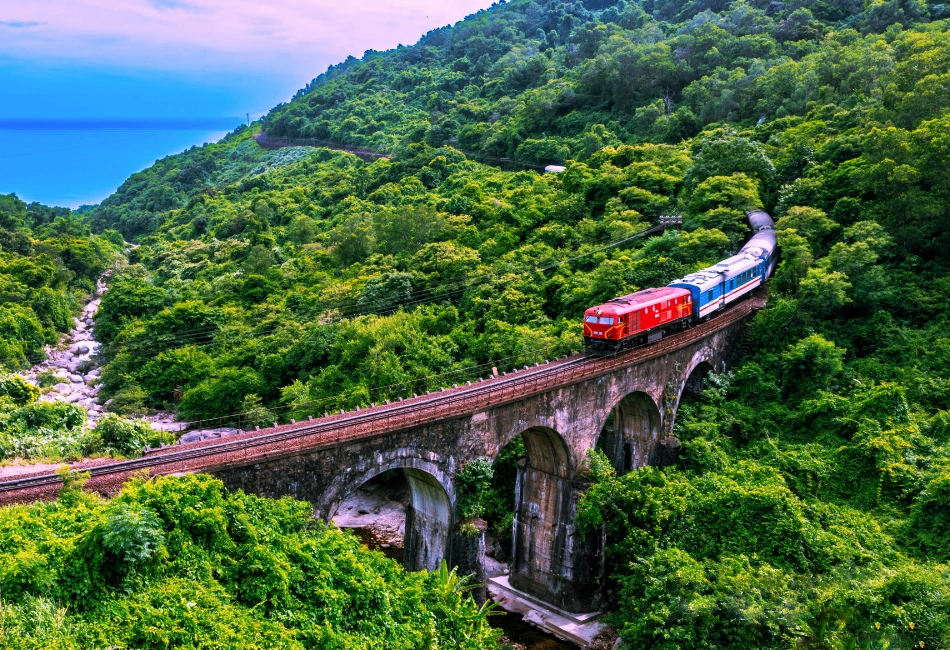
Distances are longer than many visitors expect. A single 2,600-kilometre railway links the north and the south, and trains average about 40 kilometres an hour; the trip from Hanoi to Ho Chi Minh City can take up to 30 hours, while a flight between regions takes one or two hours (Source: Vietnam National Authority of Tourism). Fly the long stretches and keep the train for shorter, scenic sections, such as Hue to Da Nang over the Hai Van Pass.
If you do take an overnight train, there are four classes: hard seat, soft seat, hard sleeper and soft sleeper, with sleeper cabins of four berths (Source: Vietnam National Authority of Tourism). Read more about the scenic routes in our guide to the tourist train in Vietnam 🚆.
In cities, ride-hailing apps such as Grab let you book a car or motorbike taxi and see the fare before you confirm, which avoids negotiating on the street. Compare intercity transport in getting around Vietnam, mobile data options in our Vietnam eSIM guide, and licence and insurance rules in motorbike rental in Vietnam. When you cross a busy road, walk at a slow, steady pace and let the motorbikes flow around you; do not run or step backwards suddenly.

When and where should you plan your itinerary using these Vietnam travel tips?
March to May gives the most even weather across the country; otherwise, match each region to its own dry season and book hotels early for peak season and Tet.
Choosing the best time to visit each region
Vietnam’s national tourism board describes March to May as the best weather countrywide, while noting that some part of the country has good weather in every month (Source: Vietnam National Authority of Tourism). In the south, Ho Chi Minh City and the Mekong Delta are dry and sunny from December to April. On the central coast, Hoi An is warm and sunny from February to August, but Hue and Hoi An are rainy from about September to January.
For more detail, read our guides to the best time to go to Vietnam and Cambodia, the best time to travel to Ho Chi Minh City, and monsoon season in Vietnam, and use our Vietnam travel guide map to see how the regions fit together.
Choosing where to stay
Location often matters more than the star rating. In Hanoi and Hoi An, staying within walking distance of the old quarters saves time and taxis; in the countryside, a smaller resort among the rice fields or limestone hills gives you quiet evenings after a busy day.
Book early for the busiest periods, especially the dry season and the Tet holiday, when popular hotels fill up and some add surcharges or compulsory gala dinners on Christmas Eve and New Year’s Eve. Our best places to stay in Vietnam and where to stay in Hanoi guides compare the main districts 🏨, while mid-trip errands and gifts are covered in laundry near me in Hanoi and Vietnam souvenirs to bring home.

How can travelers deeply engage with Vietnamese culture and local traditions?
Follow a few simple customs in temples and homes, eat hot freshly cooked food, and plan around Tet, the biggest holiday of the year.
Etiquette and eating safely
A few customs go a long way. Take your shoes off before entering someone’s home; in temples, wear modest clothing and remove your shoes and hat; and do not step over the small altars that families keep at ground level. Ask before you photograph people, keep your voice calm in a disagreement, and keep public displays of affection to a minimum. Swimwear belongs on the beach or at your resort (Source: Vietnam National Authority of Tourism). Our guide to Vietnamese culture explains the traditions behind these habits.
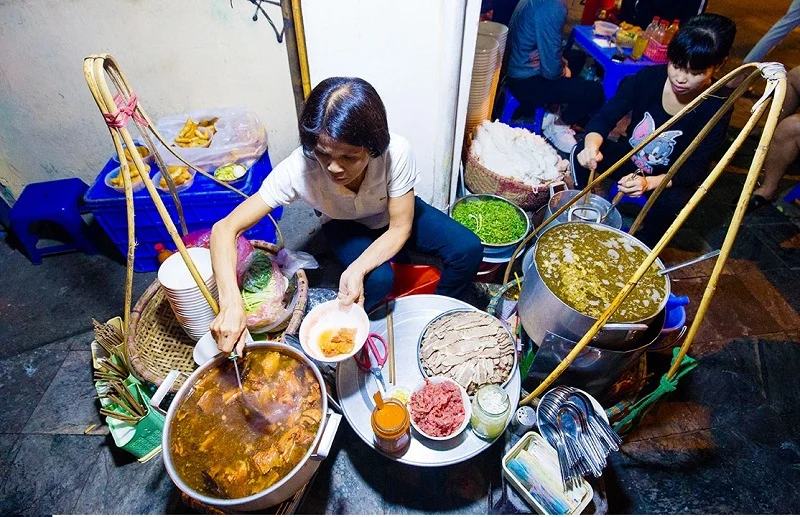
Street food is one of the best parts of a trip, and a few habits keep it safe. Choose food that is cooked fresh and served steaming hot, and avoid raw food (Source: U.S. Centers for Disease Control and Prevention) 🍜. Tap water is unsafe to drink in Vietnam, and ice is also unsafe because it is often made from tap water (Source: CDC Yellow Book), so drink bottled or sealed drinks.
Your first day in Hanoi, step by step
- At the airport: take cash from a bank ATM, then book a car with a ride-hailing app or use a pre-arranged transfer.
- First walk: cross roads slowly and steadily, and keep your bag on the side away from the traffic.
- First meal: choose a busy stall where the food is cooked in front of you and served hot.
- Drinks: stick to bottled or sealed drinks, without ice.
Festivals: Tet and Christmas
Tet, the Lunar New Year, is the biggest celebration of the year and often falls in late January or early February (Source: Vietnam National Authority of Tourism). In 2027 the first day of Tet is 6 February, and public-sector workers are off from 4 to 10 February (Source: Vietnam Government Portal). Streets fill with flowers and families gather, but some shops and restaurants close for several days and hotels add surcharges, so plan ahead. Our calendar of Vietnam national holidays lists the other dates.
In the big cities, streets, shopping centres and cathedrals are decorated in December, and Christmas Eve draws large crowds to the city centres. Read more about Christmas in Vietnam if you plan to travel over the holidays.

Frequently Asked Questions (FAQ)
Do I need a visa for Vietnam?
It depends on your passport. U.S. and Canadian citizens need a visa before they travel, usually an e-visa valid for up to 90 days that costs 25 USD for a single entry or 50 USD for multiple entries. British citizens can visit for up to 45 days without a visa.
Should I bring cash or use cards in Vietnam?
Use both. Carry Vietnamese dong for street food, markets and small shops, and use a card at hotels, larger restaurants and bank ATMs. Exchange rates change daily, so check the current rate with your bank.
How do I cross the road safely in busy cities?
Walk at a slow, steady pace so drivers can see where you are going, and let the motorbikes flow around you. Do not run or step backwards suddenly.
Are vaccinations required to enter Vietnam?
No vaccine is required for entry, including yellow fever. The CDC still recommends routine vaccines, hepatitis A and B for unvaccinated travellers and typhoid for most travellers, so see your doctor at least a month before you go.
Is the tap water safe to drink?
No. Tap water is unsafe to drink in Vietnam, and ice is often made from tap water, so choose bottled or sealed drinks and ask for drinks without ice.
Conclusion
Most of what makes a first trip to Vietnam easy happens before you land: the right visa for your passport, a doctor’s visit, travel insurance and a card that works at local ATMs. Once you arrive, fly the long distances, eat hot food, drink sealed drinks and follow a few simple customs in temples and homes; for quick answers before departure, check our Vietnam travel FAQ and solo female travel in Vietnam guide. If you would like us to plan the route and handle the bookings, contact our team with your dates and pace.
Further Reading & Resources
Where the figures in this guide come from, plus related guides for planning your trip.
Sources
- Vietnam travel advisory and entry requirements U.S. Department of State
- Travel advice and advisories for Vietnam Government of Canada
- Vietnamese visas and entry/exit U.S. Embassy & Consulate in Vietnam
- Vietnam entry requirements UK Foreign, Commonwealth & Development Office
- Official e-visa website Vietnam Immigration Department
- Vietnam: traveler health information U.S. Centers for Disease Control and Prevention
- Vietnam CDC Yellow Book
- Food and water safety U.S. Centers for Disease Control and Prevention
- Travel outside the U.S. Medicare.gov
- Travel insurance Government of Canada
- Transport within Vietnam Vietnam National Authority of Tourism
- Weather and climate in Vietnam Vietnam National Authority of Tourism
- Vietnamese etiquette for travellers Vietnam National Authority of Tourism
- Tet: tradition, reunion and taste Vietnam National Authority of Tourism
- Lunar New Year holiday 2027 (in Vietnamese) Vietnam Government Portal
Related guides
Prefer a private, unhurried trip?
Tell us your dates and pace. A local planner replies within one working day.