

 By Vani
Citizens of 25 qualifying countries enjoy 15-to-45-day visa-free entry to Vietnam, while other travellers can apply online at evisa.gov.vn for a 90-day e-Visa ($25 single-entry, $50 multiple-entry). Keep six months of passport validity, budget roughly 25,500 VND per $1 USD, use Grab, Xanh SM, Mai Linh, or Vinasun taxis, and arrange standalone travel insurance before departure.
Planning a first journey across Vietnam raises dozens of practical questions long before you step onto the tarmac in Hanoi, Da Nang, or Ho Chi Minh City. Entry rules vary sharply by passport nationality, daily prices carry three extra zeros on polymer đồng banknotes, domestic transport spans app-metered electric taxis to overnight coastal sleeper trains, and scooter laws catch uninsured visitors off guard every week. Having clear, verified answers in one place lets you handle paperwork early and focus on the landscapes, street kitchens, and heritage towns ahead.
We compiled this comprehensive reference from official immigration and consular advisories alongside the day-to-day operational questions guests ask our Hanoi planning desk. Whether you are mapping an independent two-week north-to-south route through our complete Vietnam travel guide or reviewing practical checklists in our Vietnam travel tips hub, you can work through each section below at your own pace and bookmark it for departure week.
Vietnam Visas and Entry Rules for International Travellers

Vietnam has streamlined its border policies substantially over recent years, dividing international arrivals into two straightforward tracks: unilateral or bilateral visa exemptions for qualifying passports, and a 90-day electronic visa (e-Visa) open to citizens of all countries and territories (Source: Vietnam National Authority of Tourism). Travellers holding full British, French, German, Italian, Spanish, Scandinavian, Japanese, or South Korean passports are among the 25 nationalities permitted to enter Vietnam visa-free—most European, UK, Japanese, and South Korean visitors receive up to 45 days per stay, whereas ASEAN neighbours generally receive 14 to 30 days depending on bilateral agreements (Source: UK Foreign, Commonwealth & Development Office).
Passports from the United States, Canada, Australia, New Zealand, India, Ireland, Switzerland, and most non-exempt European nations require a visa prior to boarding. Fortunately, the 90-day e-Visa removes any need to mail physical passports to an embassy. Official government fees stand at $25 USD for a single-entry e-Visa and $50 USD for a multiple-entry e-Visa—ideal if your itinerary loops out to Angkor Wat in Cambodia or Luang Prabang in Laos before returning to Hanoi or Ho Chi Minh City for your homebound flight (Source: Vietnam National Authority of Tourism).
Passport & Port-of-Entry Checklist:
- Six-month validity rule: Your passport must remain valid for at least six months beyond your planned departure date from Vietnam—airline check-in desks routinely deny boarding for five-month validity even if you hold a printed e-Visa (Source: Government of Canada).
- Blank visa pages: Keep at least one completely blank passport page (not an endorsement page at the back) for Vietnamese entry and exit ink stamps.
- Exact port matching: Enter Vietnam through the exact international airport, land border gate, or seaport named on your approved e-Visa PDF, and carry two paper copies alongside a saved copy on your phone (Source: Government of Canada).
- Phu Quoc island exception: Direct international arrivals staying solely on Phu Quoc Island qualify for a 30-day island visa exemption, though stepping onto mainland Vietnam requires a standard visa exemption or approved e-Visa.
Applying Through the Official Vietnam e-Visa Portal
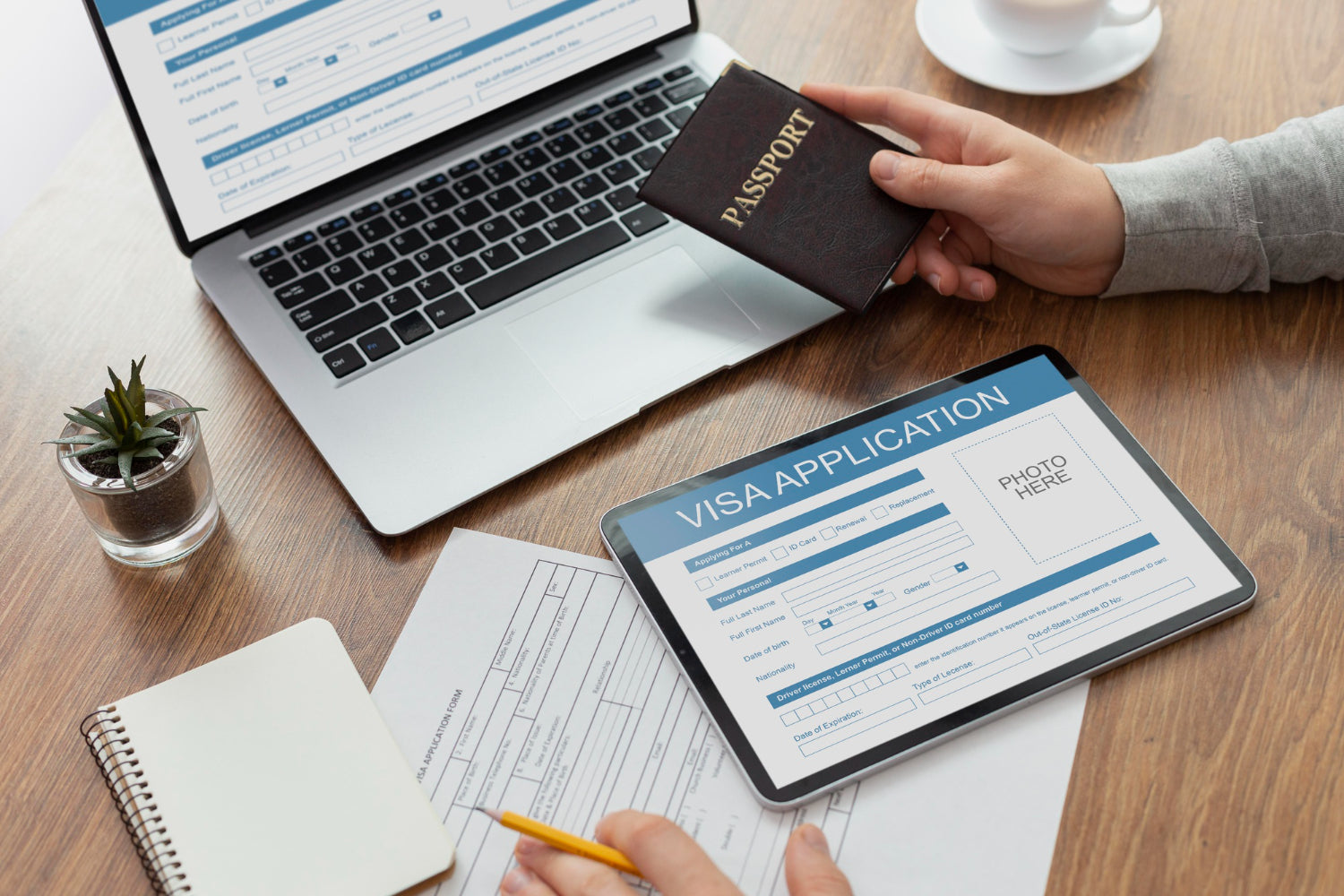
Most visa headaches begin when travellers click a sponsored search ad that mimics Vietnam’s immigration portal and charges $85 to $160 USD for “standard processing.” Vietnam operates one official government e-Visa portal at evisa.gov.vn (linked directly from the Vietnam National Authority of Tourism FAQ), where your payment goes straight to the Immigration Department without agency markups (Source: Vietnam National Authority of Tourism).
- Realistic processing timeline: Although the portal quotes three working days, the clock typically starts the business day after submission and pauses completely from Friday late afternoon until Monday at 09:00 Indochina Time (ICT). In normal months, expect five to seven working days; around Lunar New Year (Tết) or April–May public holidays, allow 15 to 21 calendar days and apply at least three weeks ahead of departure.
- Full middle names and biodata accuracy: Enter your surname and given names (including every middle name) in the exact order shown on the machine-readable zone (MRZ) strip at the bottom of your passport biodata page. Skipping a middle name or transposing day and month in your date of birth is the number-one reason airlines refuse check-in.
- Photo and scan standards: Upload two separate JPG image files—one clear colour scan of your full passport biodata page with all four corners and both MRZ lines crisp and uncropped, plus one fresh straight-on portrait photo against a plain white background without glasses, hats, or heavy shadows, keeping both ears visible. Do not crop your existing passport photo out of the biodata scan, as the automated checker flags duplicate images for manual review.
- Why e-Visa beats legacy Visa on Arrival: Older travel blogs still mention Airport Visa on Arrival (VOA), which requires purchasing a pre-arranged commercial approval letter before departure, carrying cash USD bills, filling paper forms, and queuing at a stamping window after a long-haul flight. Unless an emergency change forces an authorised sponsor letter, the 90-day e-Visa is cheaper, faster at arrival immigration, and valid at major land borders as well as airports.
If your self-submitted application stalls in “In Processing” status because of a cropped passport scan or formatting typo, our guest-support desk can review your file requirements and explain practical next steps before your flight window tightens. Just note that Vietnamese immigration offices close over weekends and public holidays, so enquiries sent after 16:30 ICT on Friday cannot enter official review until Monday morning.
Need help aligning your entry dates, airport arrival terminal, and first-night hotel address for the e-Visa form? You can contact our Hanoi planning team before submitting so your first-night accommodation details match your itinerary cleanly.
Vietnamese Currency, Daily Budgets, and Payment Habits
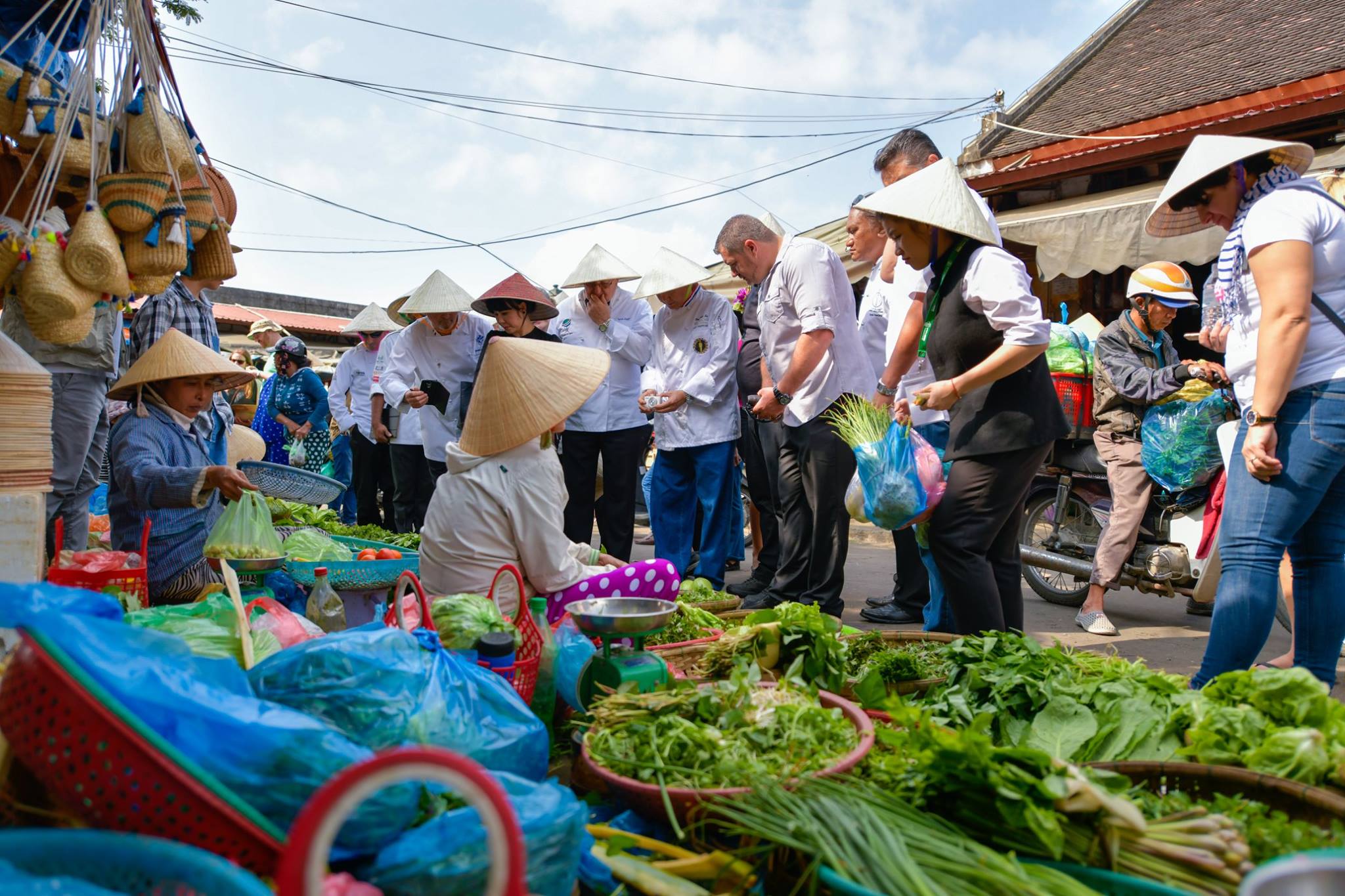
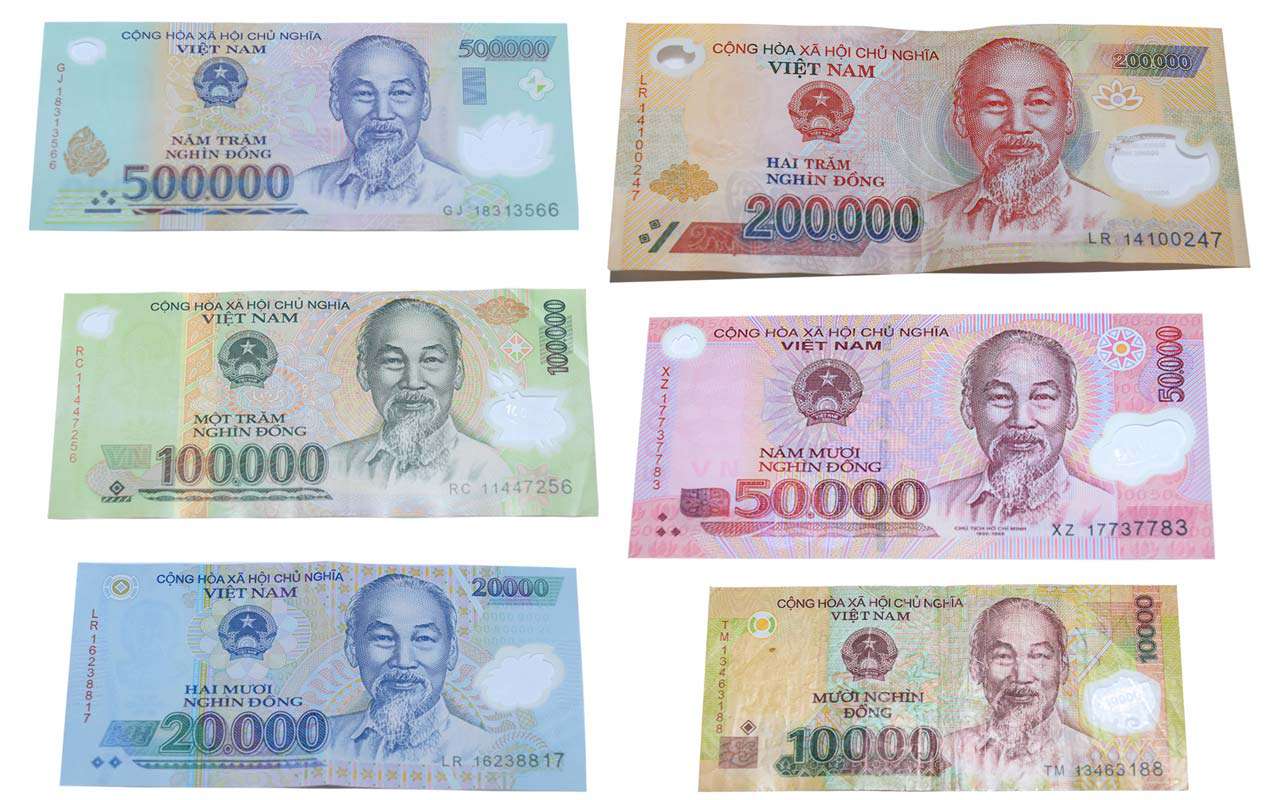
Vietnam’s national currency is the Vietnamese đồng (VND or ₫), and every newcomer spends their first morning adjusting to prices printed in tens and hundreds of thousands. At current interbank rates of roughly 25,300 to 26,000 VND per $1 USD, a reliable mental shortcut is to drop the final three zeros and divide the remaining number by 25—meaning 100,000 VND equals roughly $3.90–$3.95 USD, 250,000 VND is right around $9.80 USD, and 1,000,000 VND is approximately $39 USD.
Day-to-day dining, coffee culture, and urban transport remain remarkably affordable compared with Western Europe, North America, or Australia, while boutique heritage hotels and luxury coastal resorts scale upward to suit comfort-focused travellers. The benchmark table below outlines typical street-level and mid-range prices across Hanoi, Da Nang, Hoi An, and Ho Chi Minh City so you can gauge cash withdrawals accurately.
| Item | VND Range | USD Guide |
|---|---|---|
| Iced coffee | 25,000–55,000 VND | $1.00–$2.20 per cup |
| Street meal | 45,000–85,000 VND | $1.80–$3.35 per bowl |
| Casual dine | 180,000–350,000 VND | $7.00–$13.80 per guest |
| City hotel | 800,000–2,400,000 VND | $31–$95 for 3–4 star |
| SGN taxi | 150,000–250,000 VND | $6–$10 to District 1 |
| HAN taxi | 330,000–400,000 VND | $13–$16 to Old Quarter |
| DAD taxi | 70,000–120,000 VND | $2.80–$4.75 downtown |
| 30d eSIM | 200,000–350,000 VND | $8–$14 for 30 days |
Accommodation spans every comfort tier: clean backpacker hostel beds run 150,000–320,000 VND ($6–$13 USD), well-located central 3-star hotels average 800,000–1,300,000 VND ($31–$51 USD), boutique 4-star Old Quarter or Hoi An riverside stays sit around 1,500,000–3,200,000 VND ($59–$126 USD), and international 5-star hotels or private-pool beach villas start around 4,000,000 VND ($157 USD) and climb into five-figure luxury suites.
Wallet, ATM & Tipping Habits That Save Trouble
- Separate the two blue polymer notes: Both the
20,000 VND(~$0.80) and500,000 VND(~$19.60) banknotes share a blue-cyan palette. Store500,000 VNDbills in a separate zippered pocket so you never hand over twenty dollars for a bowl of noodles at night. - Reject torn bills and carry crisp USD for exchange: Polymer notes resist rain and humidity, so vendors routinely refuse bills with small tears around the edge. If bringing foreign cash such as USD to exchange at banks or licensed gold shops, bring crisp, unmarked large-denomination notes free of stamps, creases, or pinholes.
- Card tap vs cash reality: Visa and Mastercard contactless payments work smoothly in 3-to-5-star hotels, shopping malls, airline desks, and upscale restaurants (occasionally with a disclosed 2%–3% card terminal surcharge), whereas street stalls, traditional markets, village homestays, and public washrooms remain cash-only. Bank ATMs such as Vietcombank, BIDV, Techcombank, VPBank, and TPBank dispense cash nationwide, usually capping single withdrawals at
2,000,000–5,000,000 VNDper transaction. - Tipping and market bargaining: Tipping is optional rather than mandatory in Vietnam. Rounding up a café bill by
10,000–20,000 VNDis appreciated; on private guided tours, guests who are pleased with their day commonly tip150,000–250,000 VND($6–$10 USD) per day for a private driver and250,000–400,000 VND($10–$16 USD) per day for a dedicated guide. Friendly bargaining is expected at open souvenir markets without price tags, but never in fixed-price shops, cafés, or convenience stores.
Getting Around Vietnam by Taxi, Domestic Flight, Train, and Scooter

Vietnam stretches more than 1,650 kilometres from the northern karst mountains bordering China to the southern Mekong waterways, making transport mode selection central to trip pacing. Even crossing the street in Hanoi or Ho Chi Minh City follows its own rhythm: wait for a gap in cars, make eye contact, and walk across at a calm, steady speed without sudden stops or steps backward so approaching scooter riders can glide predictably around your path. For route-by-route intercity comparisons, read our dedicated getting around Vietnam transport guide.
Metered Taxis and Ride-Hailing Apps

Inside major cities, short door-to-door car rides typically cost 35,000–120,000 VND ($1.40–$4.75 USD). If hailing a traditional street taxi at a hotel rank or airport kerb, stick strictly to Vietnam’s established metered fleets: Mai Linh (distinctive green sedans nationwide), Taxi Group (white cars with red trim in Hanoi), and Vinasun (white cars with green-and-red stripes in Ho Chi Minh City and southern hubs) (Source: Vietnam National Authority of Tourism). Watch out for lookalike cars with slightly altered spellings on the roof sign.

For zero language barrier and upfront fixed pricing, download Grab, Be, or Xanh SM (Vietnam’s quiet turquoise all-electric VinFast taxi fleet) (Source: Vietnam National Authority of Tourism). Link your foreign Visa or Mastercard inside Grab before leaving home while you can still receive bank SMS verification codes, or select cash payment in exact đồng. Always check that the vehicle licence plate and driver portrait match your app screen before getting in, and ignore individuals wearing green jackets outside airport terminals who wave screenshots and claim to be “Grab without the app” (Source: UK Foreign, Commonwealth & Development Office).
Airport Transfers at HAN, DAD, and SGN
Knowing official distance and meter benchmarks protects tired arrivals after a 12-hour flight:
- Hanoi — Noi Bai International Airport (HAN): Located roughly 27 kilometres north of Hoan Kiem’s Old Quarter (40–55 minutes depending on bridge traffic), an official airport taxi or Grab car runs
330,000–400,000 VND($13–$16 USD), while the bright orange Bus 86 Express links Terminals T1 and T2 directly to Hanoi Old Quarter and Hanoi Railway Station with luggage racks for roughly45,000 VND(~$1.80 USD) (Source: Vietnam National Authority of Tourism). - Da Nang International Airport (DAD): Positioned right inside the city just 5 kilometres from the Han River and My Khe Beach, metered taxis or ride-hailing cars downtown cost only
70,000–120,000 VND($2.80–$4.75 USD), while private or metered transfers 29 kilometres south to Hoi An Ancient Town start around350,000–450,000 VND($14–$18 USD) (Source: Vietnam National Authority of Tourism). - Ho Chi Minh City — Tan Son Nhat International Airport (SGN): Sitting roughly 7–8 kilometres from District 1 (25–45 minutes depending on rush hour), official Vinasun, Mai Linh, or ride-hailing cars cost
150,000–250,000 VND($6–$10 USD) including the small airport toll—so decline kerbside touts quoting400,000–500,000 VNDflat rates (Source: Vietnam National Authority of Tourism). Yellow airport shuttle bus 109 also connects SGN to central District 1 for pennies. Note that domestic flights at SGN now split across Terminals T1 and T3 while international flights use T2, so check your airline terminal carefully on connection days.
Domestic Flights Across Vietnam
When covering long legs such as Hanoi to Da Nang (80 minutes) or Da Nang to Ho Chi Minh City (85 minutes), domestic flights save a full day over surface travel. Full-service national carrier Vietnam Airlines offers the strongest on-time track record and generous baggage allowances on standard Economy Classic fares, whereas low-cost and hybrid carriers such as VietJet Air, Bamboo Airways, and Pacific Airlines sell competitive base fares with strict 7 kg hand-luggage weighing at the gate and higher late-afternoon knock-on delay risk. Schedule early-morning departures whenever possible, and never book a domestic low-cost flight on the exact same afternoon as an unprotected long-haul flight home.
Overnight Sleeper Trains and the Hai Van Pass
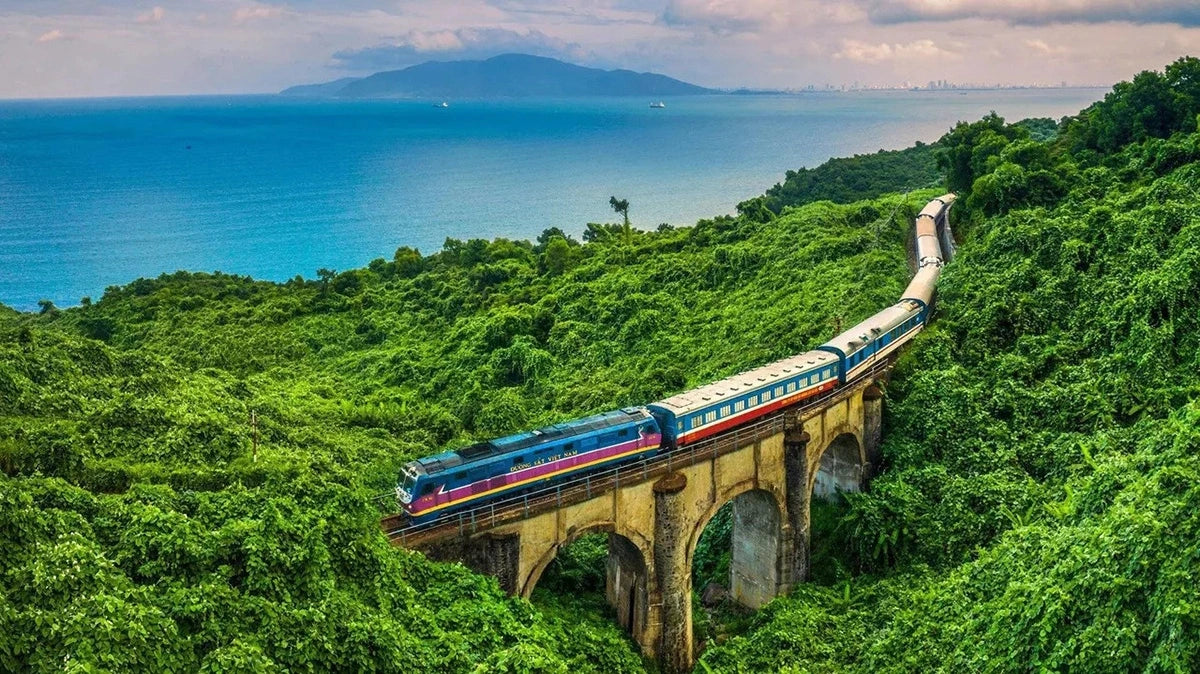
Vietnam Railways’ Reunification Express runs north-to-south between Hanoi, Ninh Binh, Dong Hoi (Phong Nha), Hue, Da Nang, Quy Nhon, Nha Trang, and Ho Chi Minh City over roughly 32 to 36 hours end-to-end. Few visitors ride the entire length in one sitting; instead, smart itineraries pick scenic daytime windows—especially the three-hour coastal cliff run between Hue and Da Nang over the Hai Van Pass—or time-saving overnight segments such as Hanoi to Hue/Da Nang or Hanoi to Lao Cai (for Sapa).
Choose an air-conditioned four-berth soft sleeper cabin on Vietnam Railways’ newer SE1/SE2 or SE3/SE4 services, or upgrade to privately outfitted boutique tourist carriages attached to scheduled trains—such as Chapa Express, Vic Sapa, or Damitrans on northern mountain routes, and Lotus Train or Violette carriages heading toward Central Vietnam. Train berths sell out weeks ahead around Tết and the April 30–May 1 holiday week, so reserve early once your travel dates lock in.
Motorbike Rentals, 1949 IDPs, and Decree 168 Fines
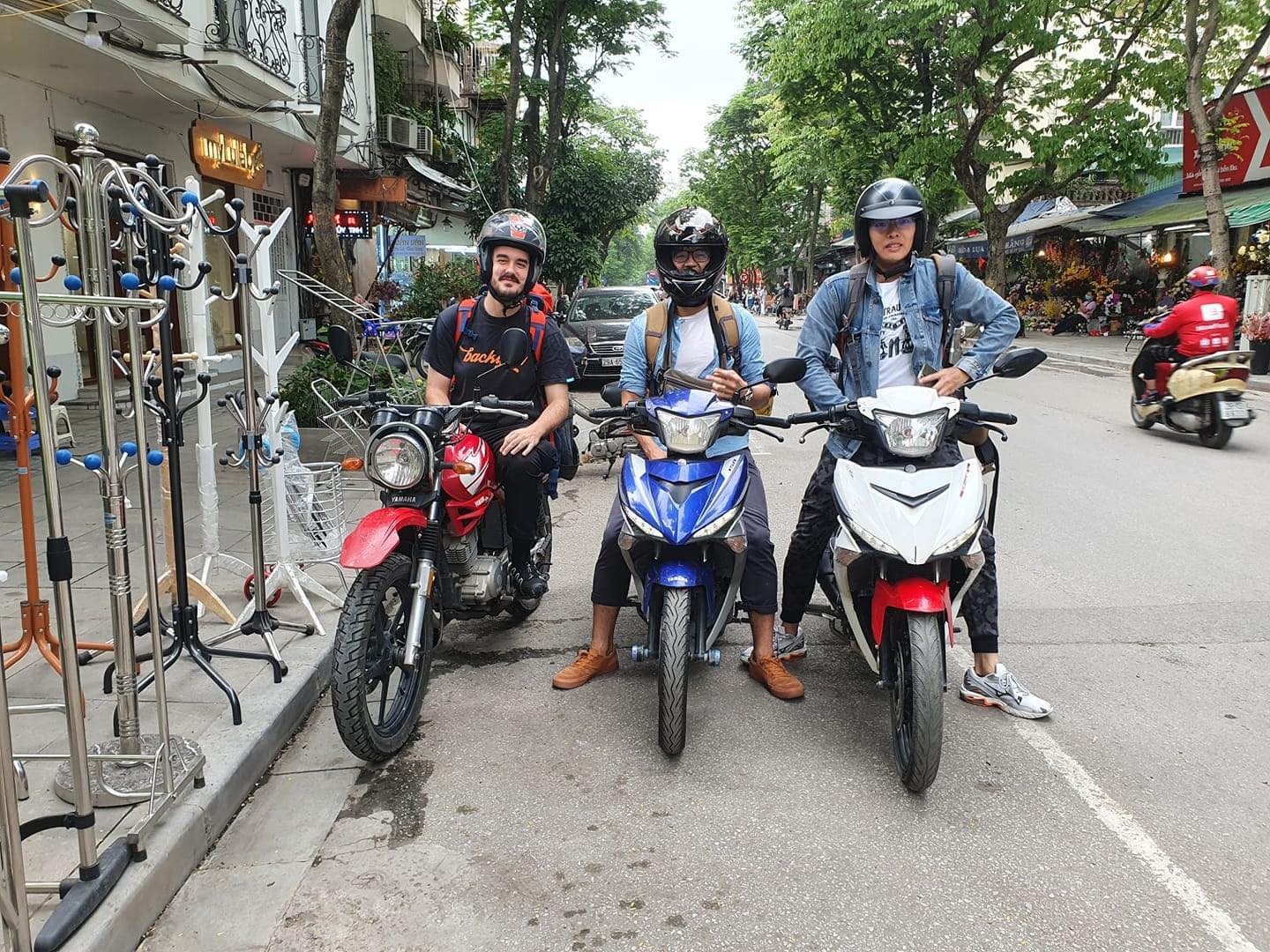
Renting a scooter in Hoi An, Da Lat, Phu Quoc, or Ha Giang costs only 150,000–300,000 VND ($6–$12 USD) per day, and rental shops seldom inspect licences before handing over keys. Traffic police checkpoints and travel-insurance adjusters, however, enforce strict legal rules that catch thousands of visitors unaware:
Critical Vietnam Motorbike Licensing & Insurance Rule
Foreign domestic driver licences are not valid on their own in Vietnam, and 1949 Geneva Convention International Driving Permits—including all IDPs issued in the United States, Canada, Australia, and the UK 1949 permit—are legally invalid in Vietnam (Source: U.S. Embassy & Consulate in Vietnam). Vietnam recognises only a Vietnamese driver licence, an ASEAN domestic licence under regional rules, or a 1968 Vienna Convention International Driving Permit carrying an explicit motorcycle (Category A) endorsement paired with the matching home licence. Under Decree 168/2024/ND-CP (effective 2025 onward), riding without a valid recognised motorcycle licence carries an on-the-spot fine of 2,000,000–4,000,000 VND ($78–$158 USD) for scooters up to 125 cm³ and 6,000,000–8,000,000 VND ($236–$315 USD) for bikes above 125 cm³, alongside temporary vehicle impoundment and automatic denial of overseas medical insurance claims in a crash (Source: LuatVietnam).
If your country does not issue a 1968 IDP with full motorcycle endorsement, book an experienced local easy-rider motorbike driver on mountain loops or hire a private car—and always wear a fastened helmet on both front and pillion seats as required by Vietnamese law (Source: UK Foreign, Commonwealth & Development Office). For deeper breakdown of engine classes and legal alternatives, read our motorbike rental and licensing guide for Vietnam.
Local SIM Cards and eSIM Data
Reliable 4G/5G mobile data transforms daily travel in Vietnam—powering Grab pickups, live translation apps, digital train QR tickets, and instant WhatsApp check-ins with guides. A 30-day tourist physical SIM or digital eSIM on Viettel (strongest mountain, Ha Giang, and Halong Bay island coverage), Vinaphone, or MobiFone typically costs 200,000–350,000 VND ($8–$14 USD). Installing a reputable eSIM before boarding or registering your passport at an official carrier shop in town avoids inflated airport reseller packages that expire mid-trip; compare exact carrier bands in our Vietnam eSIM and SIM card guide.

A JOURNEY SHAPED AROUND YOU
Start with what matters.
We can plan from there.
Tell us what you enjoy, how you like to travel and where you would like more time. We can discuss a private itinerary around your interests and preferred pace.
Booking a Custom Vietnam Itinerary with Truly Voyage
Organising multi-stop domestic flights, overnight trains, bay cruises, and vetted regional drivers across three distinct climate zones takes considerable groundwork—especially for couples, families, or older travellers who prefer smooth transitions without rigid big-bus schedules. Here is an honest, transparent look at how booking, customisation, pricing, and on-ground support work when you plan a journey with Truly Voyage.
How Custom Package Booking Works Step by Step

Published sample routes on our site serve as flexible starting blueprints rather than fixed group timetables. Whether you want a complete door-to-door itinerary or a land-only touring arrangement because you booked hotels with loyalty points, planning follows four straightforward steps:
- 1. Share your party size and pace: Tell us whether you are travelling solo (custom single-room arrangements are welcome, with a transparent single-room supplement where hotels require one), as a couple, with children, or in a multi-generational group.
- 2. Confirm travel dates and peak-holiday windows: Standard seasonal rates adjust during Vietnam’s major public holidays and festival peaks when hotels and trains apply peak surcharges—specifically Christmas and Western New Year (late December through January 2), Lunar New Year (Tết) in late January or February according to the lunar calendar, Hùng Kings’ Commemoration Day (10th day of the 3rd lunar month, falling in April), Reunification Day and International Workers’ Day (April 30–May 1), summer weekends during the Da Nang International Fireworks Festival (typically May through July), and Vietnam National Day around September 2. Travelling a week outside those domestic peaks keeps hotels quieter and airfares noticeably gentler. Enquiries sent between 08:00 and 21:00 ICT receive same-day human replies from our Hanoi desk, while overnight messages from Europe or North America are answered first thing the following morning.
- 3. Mix and match hotel tiers: You never have to lock every city into one uniform star rating. Many guests choose charming central 3-star or 4-star boutique stays on active sightseeing nights in Hanoi and Hoi An, then step up to a 5-star coastal resort or luxury Lan Ha Bay balcony cabin where downtime matters most.
- 4. Confirm with a 10% deposit: Once every day, hotel name, flight leg, and inclusion is agreed in writing, a 10% deposit secures your custom land package, with the remaining balance settled upon arrival in Vietnam (aside from any non-refundable issued domestic airfares or train tickets agreed beforehand). Full bank transfer and card details appear on our accepted payment methods page, or you can message co-founder Phạm Thị Vân (Vani) directly on WhatsApp at +84 888 555 908.
Who Operates Your Trip and How Safe Is Online Booking?

Before wiring any deposit online to Southeast Asia, travellers understandably want to know whether a real office and accountable local team stand behind the website. Truly Voyage operates from its public headquarters on the 2nd Floor, 54 Hang Tre Street, Hoan Kiem, Hanoi, Vietnam, with 25 to 30 staff across planning, operations, and guest-support departments working directly alongside regional teams in Hanoi, Sapa, Da Nang, Ho Chi Minh City (Saigon), and Phu Quoc. Guests already in Hanoi are always welcome to visit our Hang Tre office by appointment over Vietnamese coffee to fine-tune onward routing in person.
Deposits, Amendments, and Cancellation Terms
Unexpected flight schedule shifts or family events occasionally force date changes. Because cancellation timelines depend on hotel seasonality, overnight cruise cabins, and third-party tickets—such as issued domestic airline tickets, Vietnam Railways sleeper berths, e-Visa fees, and VinWonders or Sun World cable-car passes that carry strict supplier rules—we spell out your exact amendment and refund schedule in writing before you pay a deposit, alongside our published booking terms and conditions. If a card security block interrupts an international payment from overseas, message Vani on WhatsApp (+84 888 555 908) or use our website contact window during Hanoi operating hours so our billing team can provide an alternative verified link or bank invoice.
Tailoring Duration, Pace, and On-Ground Support

If a sample 14-day route looks appealing on paper but stretches your annual leave or budget, we routinely trim days, swap domestic flights for overnight trains, switch private sightseeing days with small-group day excursions (typically capped at 12 guests on land tours, while overnight Ha Long or Lan Ha Bay cruise vessels host roughly 20 to 80 passengers across spacious multi-deck boats), or reverse routes from South-to-North at no extra design charge.
Before you board your flight to Vietnam, private-tour guests receive hotel reservation references plus an active trip WhatsApp chat connecting you with your regional coordinator and assigned guide details ahead of landing. Co-founder Vani also weaves thoughtful local cultural touches into multi-day journeys—including a complimentary traditional massage gift on qualifying multi-day custom packages so you can unwind after long flights or walking days; you can read more about her background in co-founder Vani’s story.
What Tour Packages Include—and Why Travel Insurance Remains Separate
- Typically included in custom packages: Private airport, train station, and pier transfers (easily removed if your hotel booking already includes pickup); private or small-group sightseeing with vetted local guides; accommodation in your chosen hotel category with daily breakfast; stated entrance and boat tickets; meals specified day-by-day on your itinerary; and domestic flights when included in your quote (full-service domestic tickets generally carry
7–10 kgcabin baggage plus20–23 kgchecked baggage). - Not included (arranged separately by guests): International long-haul airfare, Vietnamese e-Visa fees, discretionary personal drinks or tips, and travel insurance. Truly Voyage tour packages do not include travel insurance—every traveller should purchase a comprehensive independent policy covering overseas medical treatment, hospitalisation, emergency evacuation, trip cancellation, and baggage delay before leaving home. Review hospital standards and policy checklists in our Vietnam travel insurance guide and Vietnam hospital and travel health guide.
Why Select Evenings Are Left Free for Independent Dining
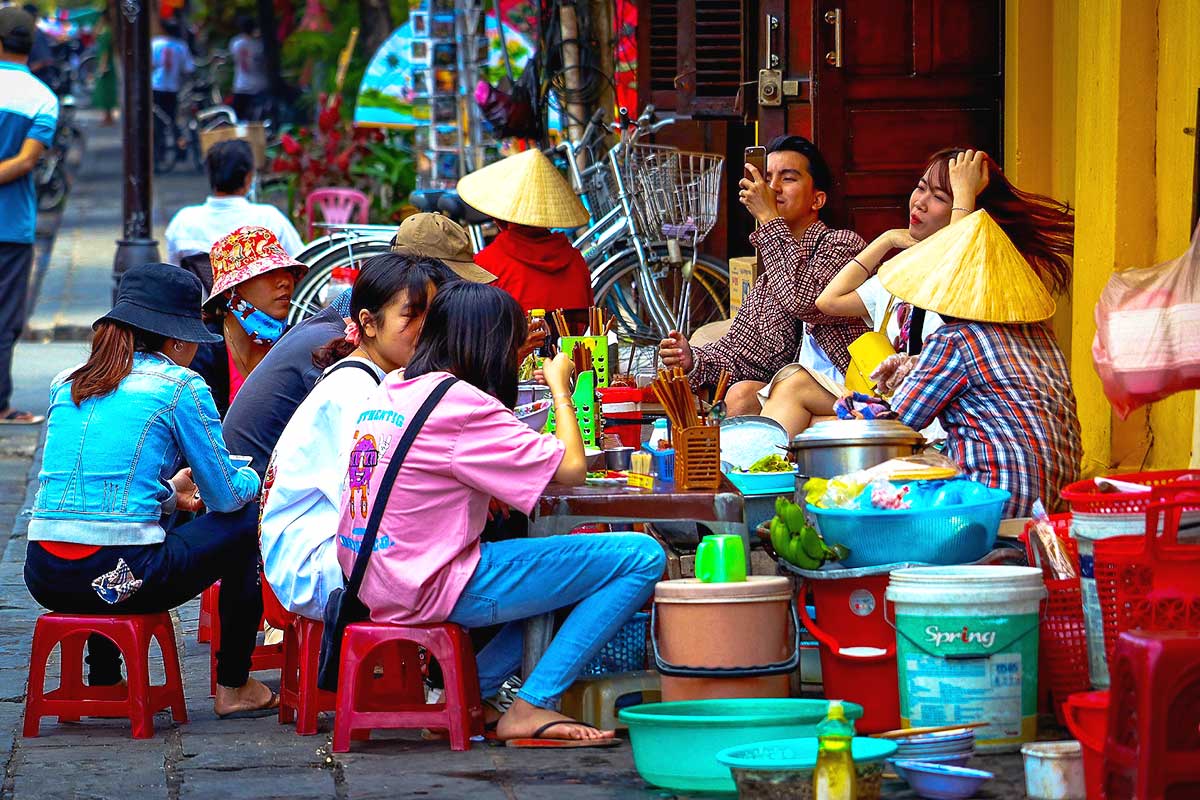
First-time guests often ask why most multi-day Vietnam itineraries include daily hotel breakfasts and curated regional lunches while leaving many dinners open. Two practical reasons drive that choice. First, traditional Vietnamese hosted lunches feature generous five-to-eight-dish family-style spreads; sitting down to a second multi-course set menu every single night quickly feels heavy. Second, our partner hotels sit right inside walkable dining neighbourhoods—within 50 to 500 metres of charcoal-grilled bún chả, crispy bánh mì, seafood grills, sweet chè dessert stalls, and quiet contemporary bistros where a memorable supper costs $3 to $12 USD per person. Browse neighbourhood favourites ahead of time in our Hanoi street food and dining guide.
Arrival Timing, Guide Languages, and Vehicle Sizes
- Smart arrival and weekend timing: After an 8-to-16-hour flight from Europe, North America, or Australia, keep Day 1 gently paced for rest, hydration, and an easy neighbourhood stroll. If your route passes through Da Nang and you want to watch the Dragon Bridge breathe fire and water at 21:00, align your Central Vietnam nights over a Friday, Saturday, or Sunday evening.
- Multilingual tour guides: English-speaking regional guides are standard across our routes; with advance notice, we can also arrange licensed guides fluent in Mandarin, French, Spanish, Italian, or Russian (a language supplement applies based on regional guide availability).
- Vehicles matched to your exact party size: Ground transport scales cleanly to guest count and luggage volume—
4-and7-seaterair-conditioned cars for solo travellers, couples, or small families;12-seatervans or plush9-,16-,22-, and27-seaterlimousine vans for mid-size private groups; and20-to45-seatertouring coaches for larger delegations. Because most professional drivers in Vietnam speak limited English and need full concentration on busy urban and mountain roads, pairing your vehicle with a dedicated guide ensures smooth historical commentary, dietary communication, and effortless stops—and neither our drivers nor guides ever pressure guests for tips.
Common Tourist Scams in Vietnam and Practical Safeguards

.gov.vn domains for e-Visas and use 4G/5G mobile data for banking apps abroad.Violent crime against visitors in Vietnam is rare, making solo and family travel welcoming from Hanoi down to Phu Quoc (Source: Government of Canada). Most frustrations involve opportunistic overcharging around airport exits, busy Old Quarter intersections, and lookalike commercial websites. Reviewing the quick-reference matrix below removes 95% of those surprises in seconds.
| Scam | Warning Sign | Safe Habit |
|---|---|---|
| Fake taxi | No meter or copycat logo | Book Grab, Be, or Xanh SM |
| Note swap | Blue 20k vs 500k polymer | Count zeros slowly in light |
| Visa clone | Sponsored rush-fee site | Apply at evisa.gov.vn only |
| Closed inn | Driver says hotel shut down | Call hotel or tour host first |
| Street gift | Free donut or shoe grab | Decline firmly and walk on |
| Open cyclo | Vague per-person quote | Write total VND on phone |
Transport, Cyclo, and Kerbside Tricks
Unlicensed “black taxis” and copycat cabs parked outside train stations or night markets occasionally run rigged meters or refuse meters altogether (Source: Government of Canada). Ordering through Grab, Be, or Xanh SM—or stepping into an official airport queue for Mai Linh, Taxi Group, or Vinasun—eliminates fare disputes immediately. If taking a traditional three-wheeled cyclo ride around Hoan Kiem or Hue for photos, type the exact total VND price for all passengers and the exact ride duration onto your phone calculator and confirm agreement before sitting down. On busy pavements in Ho Chi Minh City and Hanoi, wear cross-body bags away from the kerbside lane and keep phones tucked firmly away from passing scooters when checking maps (Source: UK Foreign, Commonwealth & Development Office).
Street Vendors, Currency Confusion, and Bank ATMs
Around Hoan Kiem Lake and Ben Thanh Market, roving vendors occasionally place a bamboo fruit-carrying pole onto a visitor’s shoulder for a photo or hand over a bag of fried doughnuts as a “welcome sample,” then demand 200,000–500,000 VND; simply smile, keep your hands by your sides, say a polite “No, thank you,” and keep walking. Do the same if someone points at your trainers and reaches down with shoe glue without permission. When paying in cash, count out polymer bills deliberately aloud so neither side confuses 500,000 VND with 20,000 VND or 100,000 VND with 10,000 VND, and withdraw cash from ATMs attached directly to staffed bank branches rather than standalone street kiosks.
Hotel Redirects, Clone Visa Sites, and Digital Hygiene
Occasionally an independent kerbside driver claims your booked Old Quarter boutique hotel “closed for renovation last week” and offers to drive you to a cousin’s property with a similar name where he earns a commission. Politely insist on going to the exact street address on your booking—or step into the lobby and telephone your hotel or Truly Voyage coordinator directly. Online, double-check that any e-Visa page ends strictly in evisa.gov.vn, avoid open café Wi-Fi when logging into banking apps (switch to your local 4G/5G SIM instead), decline street donations solicited by individuals in robes outside temple compounds, and remember that gambling outside government-licensed foreign-passport casinos is strictly illegal in Vietnam (Source: Government of Canada).

With your passport validity checked, e-Visa PDF printed, ride-hailing app configured, and realistic đồng benchmarks in mind, day-to-day travel through Vietnam becomes remarkably relaxed. Whether you map every transfer months ahead or drop by our Hoan Kiem office in Hanoi to shape a regional extension once you arrive, a little upfront clarity leaves your energy where it belongs—on misty limestone bays, lantern-lit riverside lanes, and steaming bowls of morning phở.
Frequently Asked Questions About First-Time Travel to Vietnam
How early should I apply for a Vietnam 90-day e-Visa?
Apply at least three weeks before departure on Vietnam’s official portal (evisa.gov.vn). Although standard guidance quotes three business days, immigration offices close on weekends and public holidays, so real-world turnaround averages five to seven working days and can stretch to 15–21 days around Lunar New Year (Tết) or late-April national holidays.
Can I ride a rented scooter in Vietnam with a US, UK, Canadian, or Australian IDP?
Only if you hold a recognized 1968 Vienna Convention International Driving Permit with a full motorcycle (Category A) endorsement alongside your home motorcycle licence. All 1949 Geneva Convention IDPs—including every IDP issued in the United States, Canada, and Australia, plus UK 1949 permits—are invalid in Vietnam, exposing riders to 2,000,000–8,000,000 VND fines under Decree 168/2024/ND-CP and voided medical insurance.
How much cash in Vietnamese đồng should I carry alongside my bank card?
Hotels, airlines, malls, and upscale city restaurants accept Visa and Mastercard, while street food stalls, local cafés, markets, and rural stops take cash only. Carrying roughly 1,000,000 to 2,000,000 VND ($39–$79 USD) per person in mixed small notes (20,000, 50,000, and 100,000 VND) covers two to three days of casual snacks, coffee, tips, and short rides cleanly.
What should a legitimate airport taxi cost in Hanoi, Da Nang, and Ho Chi Minh City?
Official metered fleets (Mai Linh, Taxi Group, Vinasun) and apps (Grab, Be, Xanh SM) typically charge 330,000–400,000 VND ($13–$16 USD) from Noi Bai Airport (HAN) to Hanoi Old Quarter, 70,000–120,000 VND ($2.80–$4.75 USD) from Da Nang Airport (DAD) to central Da Nang (or around 350,000–450,000 VND to Hoi An), and 150,000–250,000 VND ($6–$10 USD) from Tan Son Nhat (SGN) to District 1.
Does booking a custom tour with Truly Voyage include travel insurance?
No—Truly Voyage packages cover agreed ground transport, vetted guides, chosen accommodation, listed meals, entrance fees, and requested domestic flights secured with a 10% deposit, while travel insurance is always excluded. Every guest should purchase standalone comprehensive travel insurance covering medical treatment, emergency evacuation, and trip interruption before leaving home.
Further Reading & Resources
Sources
- Frequently Asked Questions: Visas, Currency & Getting Around Vietnam Vietnam National Authority of Tourism
- A Traveller’s Guide to Vietnam’s Airports (HAN, DAD & SGN) Vietnam National Authority of Tourism
- Vietnam Travel Advice: Entry Requirements & Visa Exemptions UK Foreign, Commonwealth & Development Office
- Vietnam Travel Advice: Passports, Laws & Local Transport Government of Canada
- Vietnam Travel Advice: Safety, Ride-Hailing & Road Rules UK Foreign, Commonwealth & Development Office
- Driving in Vietnam: Foreign Licences & International Driving Permits U.S. Embassy & Consulate in Vietnam
- Decree 168/2024/ND-CP Road Traffic Administrative Penalties LuatVietnam
Related guides
A JOURNEY SHAPED AROUND YOU
Start with what matters.
We can plan from there.
Tell us what you enjoy, how you like to travel and where you would like more time. We can discuss a private itinerary around your interests and preferred pace.

Vani is the Founder and Lead Travel Designer at Truly Voyage. With over a decade of experience and a deep passion for her Vietnamese heritage, she specializes in crafting bespoke, unhurried itineraries. Vani is dedicated to helping travellers experience the authentic soul of Southeast Asia with absolute financial security and 24/7 on-ground support.
0 Comment