


 By Vani
The best time to visit Bac Kan depends on your plans: consider late February to mid-April or mid-October to early December for outdoor activities around Ba Be Lake. Choose festival dates separately using the current local programme, and check the forecast and operator advice before boating or trekking.

Plan a visit to Ba Be Lake around what you want to do: time on the water, walking, or a festival visit. This guide separates seasonal planning from the checks needed for your actual dates. Truly Voyage can discuss your preferred pace and interests before suggesting arrangements.
What Is Bac Kan Weather Like Month by Month?
For planning, distinguish the warmer, wetter May-to-September period from the cooler October-to-April period. A monthly average is a broad guide, not a forecast for a particular day on Ba Be Lake.
The approximate monthly figures below give a broad comparison of temperatures and rainfall. Use a forecast for your travel dates before choosing clothing or activities; regional averages do not describe conditions on every lake route.

| Month | Average High | Average Low | Average Rainfall |
|---|---|---|---|
| January | 18°C | 12°C | 13mm |
| February | 19°C | 13°C | 13mm |
| March | 23°C | 17°C | 30mm |
| April | 27°C | 20°C | 56mm |
| May | 31°C | 23°C | 130mm |
| June | 32°C | 25°C | 178mm |
| July | 32°C | 25°C | 208mm |
| August | 32°C | 24°C | 201mm |
| September | 31°C | 23°C | 127mm |
| October | 28°C | 21°C | 64mm |
| November | 24°C | 17°C | 36mm |
| December | 21°C | 13°C | 15mm |
The table puts June, July and August highs at around 32°C, and January lows at around 12°C. Its largest rainfall figure is July at around 208mm; January and February share the lowest figure, around 13mm. Even a low monthly total does not mean every day will be dry.
Do not let a dry-season label persuade you to leave rain gear behind. Keep a light rain shell in your day bag and check the forecast before setting out.
Why the Wet and Dry Seasons in Bac Kan Feel So Different on the Ground
Warmer, wetter months call for flexibility: consider how rain, humidity and muddy surfaces would affect your planned walk or time on the water. Ask the operator about the route you intend to take rather than assuming all lake activities have the same conditions.
The cooler period may suit travelers who prefer walking without peak summer heat. Bring layers for winter mornings and evenings, and do not infer water clarity, swimming suitability or firm trails from the season alone.
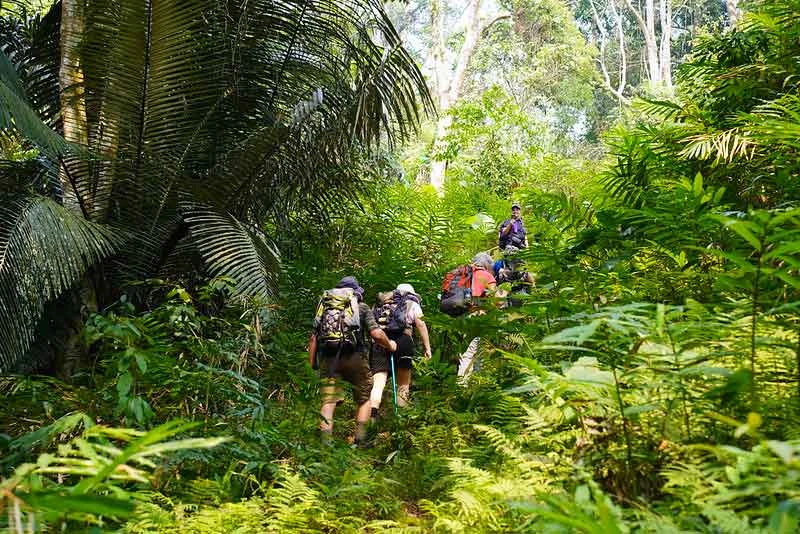
When Is the Best Time to Visit Bac Kan?
Consider late February through mid-April or mid-October through early December if outdoor activities are your priority. Treat these as planning windows, with no particular week promising better conditions.
Choose between spring and autumn according to your preferred temperatures, available dates and interest in local events. November is an option for cooler-weather activities, while a spring visit may be worth coordinating with a festival programme. Check that programme independently: a spring month alone cannot tell you the festival date.

A JOURNEY SHAPED AROUND YOU
A day in Vietnam.
Planned around you.
Already in Vietnam? Explore day-tour options and tell us where you are staying, your dates and your preferred pace.
When Should You Time a Trip Around Long Tong Festival?
If Long Tong is your main reason for visiting, choose your dates from the current programme for the Ba Be event rather than a general spring weather window. Lunar-calendar events do not have a fixed Gregorian date.

Ask which activities will take place on your proposed day, rather than assuming canoe races, nem con, tug-of-war or Then singing are all scheduled together. Read the Tay People guide for cultural background; this page focuses on when to travel.
If Long Tong festival timing matters to your trip, confirm the event location, travel year and Gregorian dates before booking transport. A previous year’s itinerary is not a current programme.
How Should You Choose the Best Time to Visit Bac Kan?
Choose your main priority before choosing dates. A festival visit needs a confirmed programme, while a kayaking or walking trip needs flexibility around daily conditions.
Before you go
- Festival first: Confirm the current event dates and location before committing to transport or accommodation.
- Activities first: Ask about the planned boat route, walking surface and alternatives if rain changes the day.
- Comfort first: Decide how much heat, humidity or cool evening weather you prefer, then use the seasonal table as a broad comparison.
Who it suits: Travelers who can choose a season around their interests and keep some daily flexibility.
Who may prefer something else: Travelers requiring a fixed kayaking or trekking schedule may prefer to keep those activities optional rather than make them the sole reason for visiting.

Will Kayaking or Trekking Plans Survive Bac Kan’s Seasons?
Consider October through April for a trip focused on boating or walking, but keep both dependent on current conditions. May through September may suit travelers who value green scenery and can adjust their activities.
Decide which activities are essential and which can move to another day. A monthly rainfall figure cannot tell you whether your particular boat route or trail will be suitable.
For boating, ask the operator about the route, duration and conditions before setting out. For trekking, ask about the walking surface and how the route changes after rain. If your preferred activity cannot go ahead, consider a shorter outing or time enjoying the scenery instead of trying to complete a fixed plan. Rain protection remains useful in either season.

| Season | Kayaking / Boating | Trekking | Scenery |
|---|---|---|---|
| Dry season (Oct-Apr) | Check daily conditions | Cooler-season option | Generally drier period |
| Wet season (May-Sep) | Keep plans flexible | Ask about muddy surfaces | Deep green hills and terraces |
If kayaking is essential to your trip, discuss a fallback plan before booking. Do not use a dry-season label as a substitute for the operator’s assessment on the day.
What Should You Pack for Each Bac Kan Season?
Pack warm layers for winter mornings and evenings, rain protection in every season, and a hat and sun protection for warm days. Adjust your Bac Kan itinerary and packing to the forecast.
The table suggests winter lows around 12 to 13°C, so bring an evening layer rather than packing for daytime temperatures alone. In wetter months, a packable rain shell and a dry bag for electronics are practical options. For summer days around 32°C, carry drinking water and sun protection as well as rain gear; neither replaces the other. Choose footwear for the walking route you have agreed with your guide.
How Do You Check Real-Time Weather Before You Leave?
Check a forecast for Ba Be Lake shortly before departure, then discuss your activity plans with the operator. A seasonal average cannot tell you the weather on your travel day.
Use a forecast location close to your accommodation and activity area, rather than assuming a general Bac Kan forecast describes every lakeside route. Discuss whether the forecast affects the length or timing of your walk or boat trip, and agree what you would do instead if conditions change.
Check the forecast again on the morning you leave for Ba Be, as well as when you book the trip. Confirm the day’s plan with your accommodation or activity operator.
Frequently Asked Questions About the Best Time to Visit Bac Kan
What is an ideal month to visit Bac Kan?
Consider November for a cooler-season visit, or late February to mid-April as a spring option. No particular week promises dry weather; check the forecast for your dates.
Is a rainy-season visit still worth it?
It can suit travelers who value green scenery and can keep activities flexible. Ask about current boat and trail conditions, and carry rain protection.
How cold does it get in winter?
The monthly table gives January averages of around 12°C overnight and 18°C by day. These are broad planning figures, so pack layers and check the forecast before traveling.
Will kayaking or trekking plans be disrupted by weather?
Conditions can change in either season. Keep kayaking and trekking subject to the operator’s assessment, and agree an alternative rather than relying on a monthly average.
Conclusion

Use the seasonal windows to narrow down your dates, then choose according to your main interest: outdoor activities, green scenery or a festival visit. Monthly climate figures and an event programme answer different planning questions.
For Long Tong, confirm the current local dates first. For walking and boating, check the forecast and agree the day’s route with the operator. Tell Truly Voyage your priorities and preferred pace so possible arrangements can be discussed before booking.
Further Reading & Resources
Related guides
A JOURNEY SHAPED AROUND YOU
A day in Vietnam.
Planned around you.
Already in Vietnam? Explore day-tour options and tell us where you are staying, your dates and your preferred pace.

Vani is the Founder and Lead Travel Designer at Truly Voyage. With over a decade of experience and a deep passion for her Vietnamese heritage, she specializes in crafting bespoke, unhurried itineraries. Vani is dedicated to helping travellers experience the authentic soul of Southeast Asia with absolute financial security and 24/7 on-ground support.
0 Comment