

 By Vani
La Pan Tan terraces can be a viewpoint stop or the focus of an overnight stay in the Mu Cang Chai area. Choose Mam Xoi Hill for a focused visit; consider a homestay and locally arranged walks if you want more time among the terraces. Confirm walking surfaces, room facilities and transfers before choosing the longer stay.
La Pan Tan is more than the Mam Xoi Hill photograph: it is also a place to consider village walks and a homestay. This guide from Truly Voyage helps you choose between a focused terrace visit and a full day or overnight stay. Neither choice requires seeing every viewpoint. Start with how much walking you want, then decide whether staying close to the fields matters more than the facilities of a town base.

Where Is La Pan Tan?
La Pan Tan is in the Mu Cang Chai highlands, an area described in older travel guides as part of Yen Bai. Plan it alongside the wider Mu Cang Chai area and Khau Pha Pass.
Locating the Commune on a Map
If you are searching for a map of La Pan Tan, distinguish the village or accommodation pin from the Mam Xoi Hill viewpoint. Ask your host to send the exact meeting point and confirm the final approach with your driver. Che Cu Nha and De Xu Phinh are other names you will encounter when planning the Mu Cang Chai rice terraces; do not assume all these stops share one entrance or walking route. A broad area label is less useful for a transfer than a specific host or viewpoint pin.
Confirm your room and arrival arrangements with the host before travelling, whichever booking channel you use. Ask for written confirmation of the room type, meals and meeting point rather than assuming these are included.

What Do La Pan Tan Terraces Look Like Beyond Mam Xoi Hill?
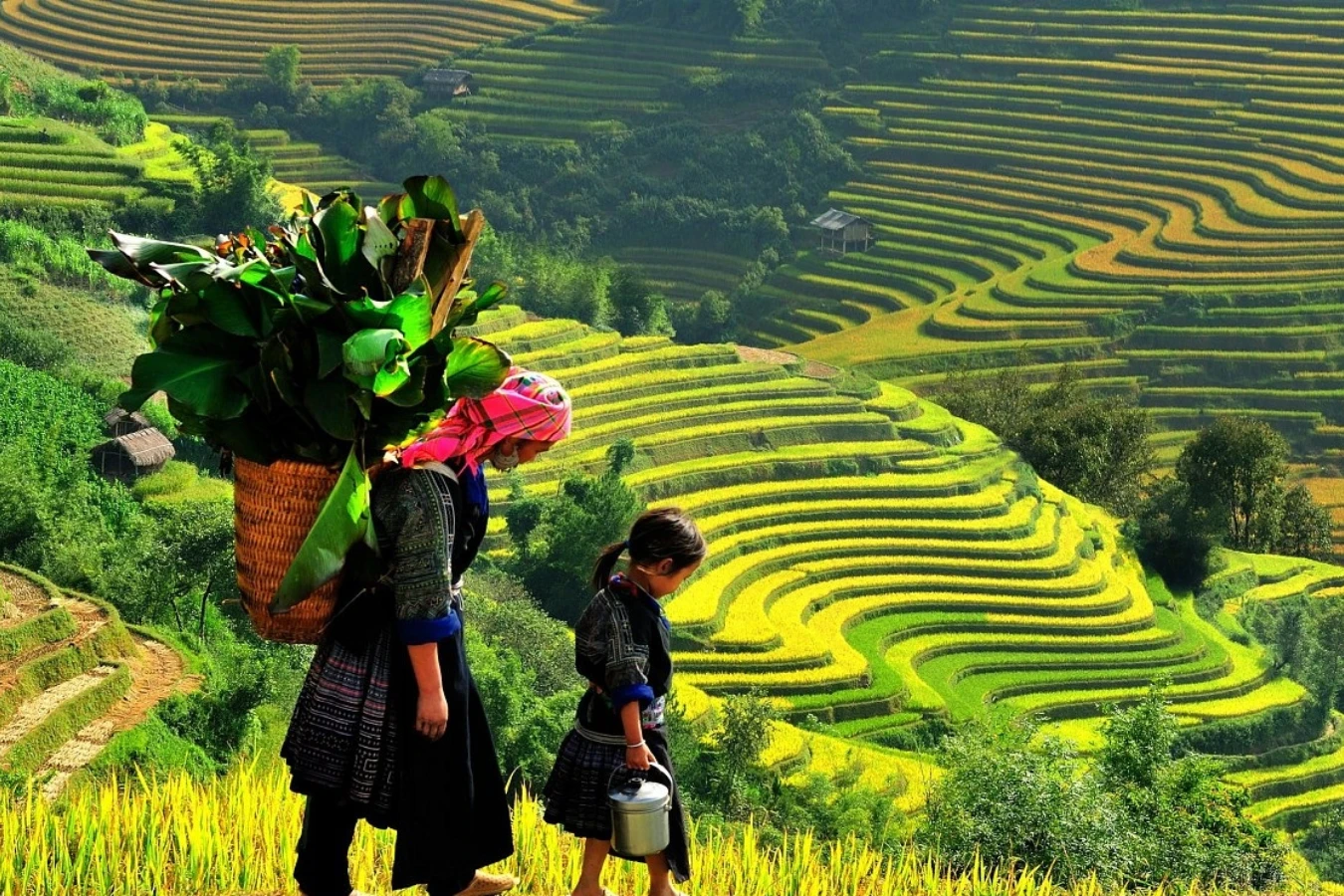
La Pan Tan terraces extend beyond Mam Xoi Hill, around ridgelines and H’mong hamlets. An additional walk is a different commitment from a viewpoint stop.
The Quieter Corners of the Commune
Mam Xoi Hill is the rounded terrace viewpoint covered in its own dedicated guide. The wider landscape follows surrounding hills rather than repeating that single formation. If you also want to visit Pu Nhu Waterfall or Yen Bai Giang Stream, ask a local host to confirm their locations and current approaches before combining them with a terrace walk. Treat the waterfall as a separate excursion to plan, rather than an assumed stop on every La Pan Tan route. Terrace paths can be narrow: a photograph of the view does not tell you whether the route suits your footing.
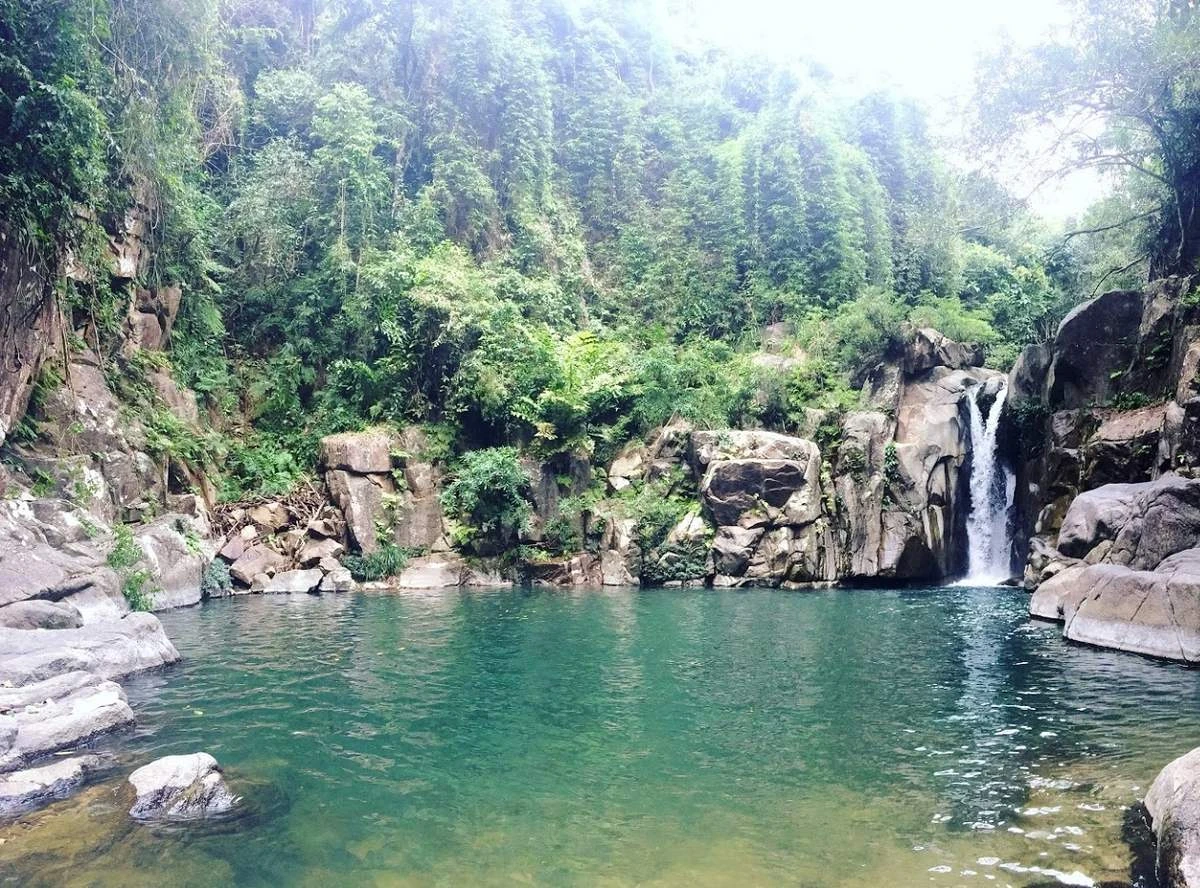
Ask your homestay host whether a sunrise walk beyond Mam Xoi Hill fits your preferred walking distance. Confirm the return route and transport before setting out; an alternative viewpoint does not guarantee solitude.

A JOURNEY SHAPED AROUND YOU
Meet the people behind
your Vietnam plans.
Tell us what you enjoy, how you like to travel and where you would like more time. We can discuss a private itinerary around your interests and preferred pace.
How Do You Trek La Pan Tan?
Trekking La Pan Tan can mean narrow paths between working terraces and through H’mong hamlets. Choose a specific route rather than assuming that every walk has the same surface or difficulty.
Reading a Trekking Map of La Pan Tan
Terrace walks can climb and descend between paddy levels and village footpaths. Before comparing them with walks around Ta Van or Lao Chai in Sapa, ask about the actual distance, climbs, steps and opportunities to turn back. The destination name alone is not a difficulty rating.
If you want to continue toward Che Cu Nha, ask a guide to agree a route, lunch arrangements and a pickup point. A farmer’s hut or family meal should be an arrangement confirmed with the host, rather than an assumed entitlement along the path.
A printed or downloaded map of La Pan Tan helps with orientation, but ask locally about the route you intend to follow. Discuss a local guide with your homestay, or ask Truly Voyage about arrangements. Explain your preferred walking distance and whether you want vehicle-supported stops instead.

Should You Spend One Night in La Pan Tan?
An overnight stay gives you time for an evening and an early walk without returning to town between them. The two-day outline below is a planning example to discuss with a host, not a booked tour or a guest account.
Before you go
- Confirm bathroom arrangements, room access and where your vehicle can stop.
- Agree meals and the following morning’s walk before arrival.
- Ask whether the proposed waterfall outing needs a separate transfer.
Who it suits: Travellers who value time close to the fields and are comfortable with the facilities their host confirms.
Who may prefer something else: Travellers who prefer a town base or a short viewpoint visit with less walking.
| Day | Timeline | Activity & Route Highlights |
|---|---|---|
| Day 1 | 15:00 – 18:30 | Arrive and settle in; arrange dinner with the host. |
| Day 2 | 05:30 – 07:30 | Early hike to a quieter ridgeline viewpoint to watch the sunrise hit the terraces. |
| Day 2 | 08:30 – 12:00 | Choose a terrace walk or a separately confirmed Pu Nhu Waterfall outing. |

Staying near the terraces can reduce the need to travel back from town for an early start. Check how far the actual room is from the walk you want: a La Pan Tan address does not mean you can step directly onto your chosen route.
Where Should You Stay in La Pan Tan?
Consider a homestay in La Pan Tan if being near the terraces matters to you. Compare the exact room and access arrangements with a base in Mu Cang Chai town before booking.
What an Overnight Stay Adds
A day visit can focus on Mam Xoi Hill; a one- or two-night stay allows more time for walks, meals and early or late views. Ask whether your room has a private bathroom, how many steps lead to it, and what meals can be provided. Discuss dietary preferences before booking rather than assuming a family kitchen can accommodate them. If the room or approach does not suit you, keep a town base and arrange a shorter visit. An overnight stay creates flexibility, but does not promise clear sunrise or sunset views.
Pack layers for an early start or an evening outside, and check the forecast for your travel dates. Ask your host about bedding and room facilities rather than relying on a general elevation figure.
When Should You Visit La Pan Tan?
Choose your season around the terrace scenery you want: water-filled fields or ripening rice. Neither appearance lasts throughout the year.
A Quick Pointer to the Full Seasonal Calendar
As a planning guide, water-pouring season is roughly May to June, while golden season is around mid-September into early October. These are approximate windows, not fixed dates for a particular field. Ask a host about current planting or harvesting before fixing a photography visit. Our Best Time to Visit Mu Cang Chai guide covers the wider seasonal question; use this page to decide how you want to spend your time in La Pan Tan.

How Do You Get to La Pan Tan and Combine It With Other Stops?
Most visitors reach La Pan Tan as part of a wider Mu Cang Chai trip, driving in from Hanoi first, then treating the commune as either a focused stop for Mam Xoi Hill or a fuller overnight base.
Planning the Rest of Your Route
If Mam Xoi Hill itself is all you have time for, our dedicated Mam Xoi Hill Viewpoint guide covers that stop. For the wider journey from Hanoi, see the route and transport discussion in our How to Get to Mu Cang Chai from Hanoi guide. Confirm current timings and prices with your transport provider.
Consider Che Cu Nha and De Xu Phinh as additional stops, subject to your driver’s route and the time you want to spend out of the vehicle. A shorter plan with time to rest may suit you better than a loop covering every terrace area.

Frequently Asked Questions
Is La Pan Tan walkable without a guide?
Discuss a short road or viewpoint walk with your host first, including the surface and final approach.
For a longer walk between hamlets and terraces, consider a local guide and agree the route, walking distance and return transport. Check current path conditions locally as well as consulting a map.
How does La Pan Tan differ from Che Cu Nha and De Xu Phinh?
They are separate terrace areas to consider within a wider Mu Cang Chai trip; La Pan Tan includes the Mam Xoi Hill viewpoint.
Choose between specific viewpoints and walking routes rather than assuming one area is always steeper or quieter. Ask your driver which combination fits your available time.
Do homestays in La Pan Tan need advance booking?
Advance booking is advisable, especially when your dates or room requirements are fixed.
Confirm the reservation with the host, including bathroom facilities, meals and arrival arrangements. Do this whichever booking channel you use.
Is trekking in La Pan Tan harder than trekking in Sapa?
It depends on the routes you compare. La Pan Tan terrace paths can involve climbs and descents; ask about the difficulty of your specific route.
Ask for the distance, steps, surface and options to shorten the walk in either destination. Choose a route that fits your walking preferences rather than relying on a general Sapa comparison.
Conclusion
La Pan Tan rewards travellers willing to treat it as a full commune rather than a quick photograph stop.
Choose a viewpoint visit for a focused stop, or an overnight stay if you want time for locally arranged walks and meals. Confirm room facilities and the route before committing to the longer option. You can discuss adding La Pan Tan to a Vietnam holiday with Truly Voyage, including your preferred pace and what arrangements need confirmation.
Confirm whether your homestay serves meals before you arrive, and agree dinner arrangements in advance.
Further Reading & Resources
Related guides
A JOURNEY SHAPED AROUND YOU
Meet the people behind
your Vietnam plans.
Tell us what you enjoy, how you like to travel and where you would like more time. We can discuss a private itinerary around your interests and preferred pace.

Vani is the Founder and Lead Travel Designer at Truly Voyage. With over a decade of experience and a deep passion for her Vietnamese heritage, she specializes in crafting bespoke, unhurried itineraries. Vani is dedicated to helping travellers experience the authentic soul of Southeast Asia with absolute financial security and 24/7 on-ground support.
0 Comment