
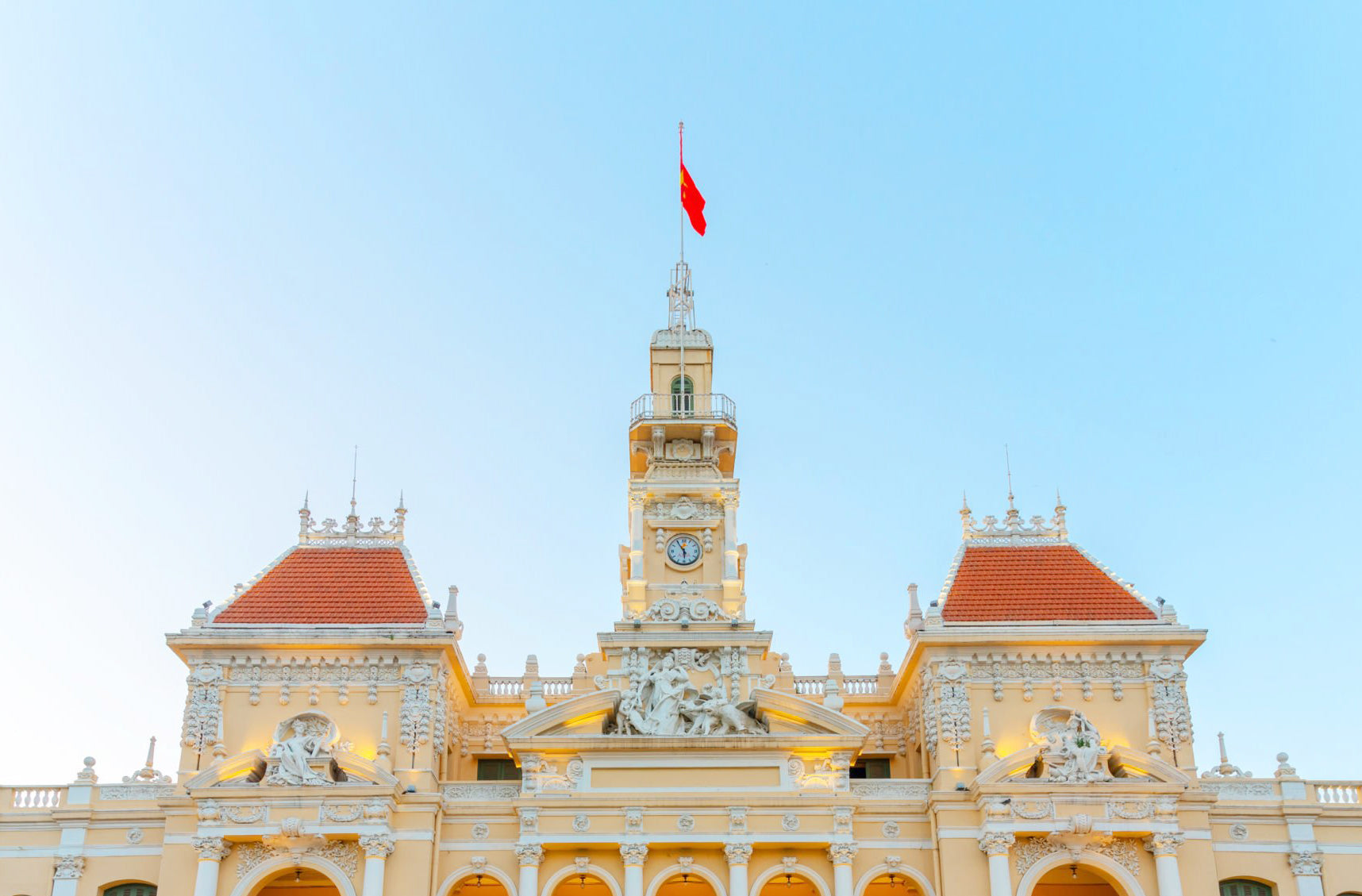

 By Vani
If airspace closures or Middle East stopover disruptions have forced you to rethink your holiday, pivoting to a 2026 Vietnam travel plan is straightforward. Vietnam sits in the lowest Western travel-advisory risk tier, issues 90-day e-Visas online ($25–$50 USD), connects via non-Gulf Pacific and Asian hubs, and keeps ground transport fares predictable.
Having a long-planned trip cancelled—or watching a Gulf transit hub suddenly become uncertain—is exhausting. When travelers reach out to our Hanoi office after shelving a Middle East or Eastern Mediterranean itinerary, their first question is rarely about sightseeing; they want to know whether Vietnam feels calm on the ground, how fast entry paperwork clears, and how to fly in without routing near contested airspace.
Across Vietnam from Hanoi and Sapa down to Hội An, Ho Chi Minh City, and Phú Quốc, daily life moves at its normal rhythm: morning sidewalk coffee, lantern-lit riverfront walks, and scheduled domestic flights. Official Government of Canada travel advice places Vietnam in its green “take normal security precautions” tier (Source: Government of Canada), geographically and politically removed from Persian Gulf and Red Sea flashpoints. Below is a practical blueprint for turning a disrupted booking into a well-paced Vietnam travel itinerary—covering regional highlights, 3-day online e-Visas, non-Gulf flight gateways, and realistic cost safeguards.
Why Vietnam Remains Calm and Open: Regional Snapshots
Far removed from Middle East flight corridors, Vietnam’s northern highlands, heritage towns, Mekong pagodas, and southern islands operate on normal seasonal schedules—giving couples, older travelers, and families varied pacing options in a single trip.
Rather than relying on headlines or recycled social-media clips, it helps to look at what travelers are actually experiencing across four distinct regions of Vietnam right now:
Canopy Ziplines and Limestone Valleys in Lạng Sơn
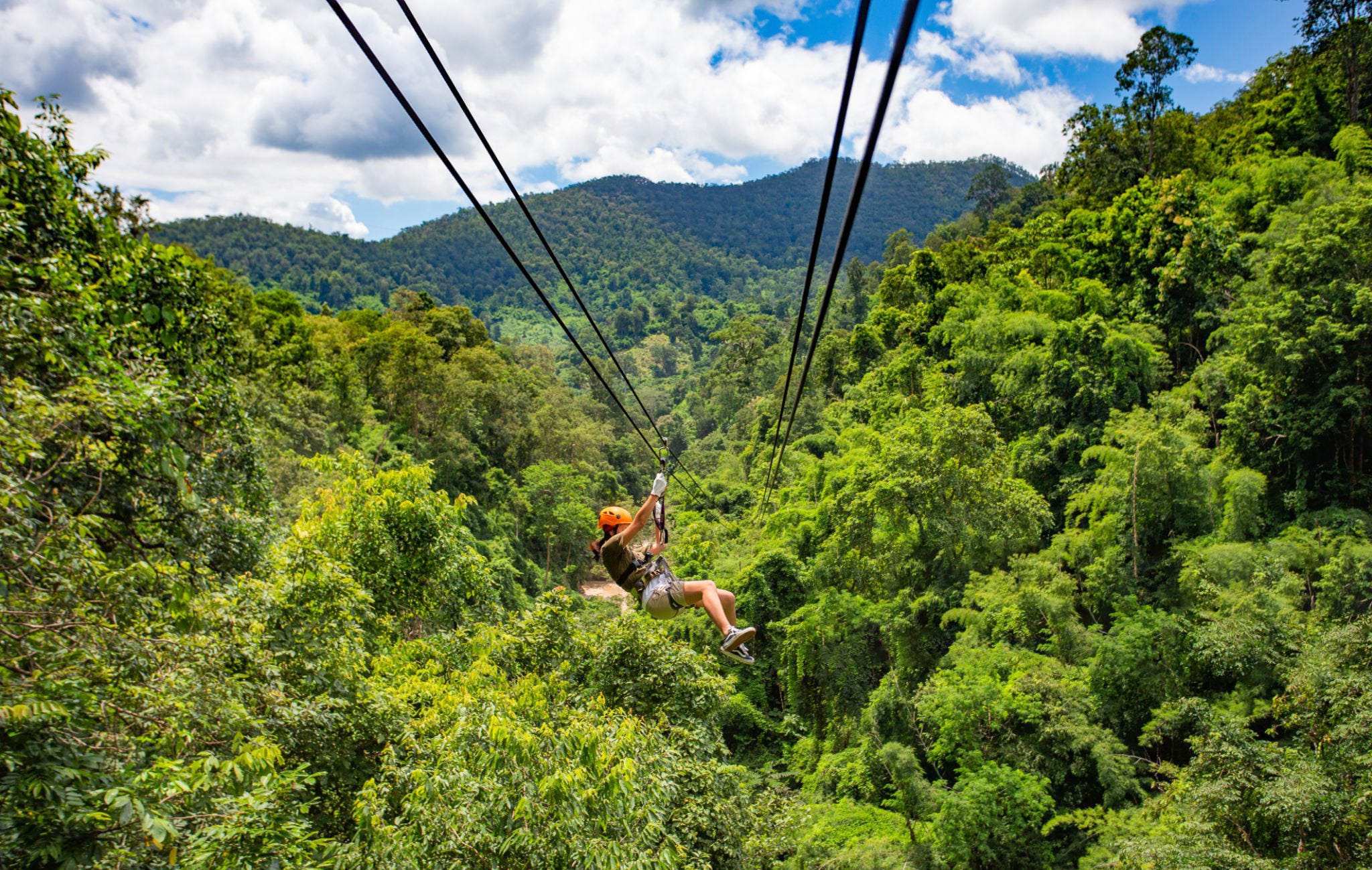
Roughly 2.5 to 3 hours northeast of Hanoi by highway, Lạng Sơn Province—especially the Hữu Liên valley—has become a favorite weekend retreat for Hanoi families and active travelers. Visitors cross the wooden Độc Mộc Bridge over flooded meadows, kayak quiet limestone lakes, or try harnessed canopy zip-lining and rope courses away from heavy highway traffic.
Terraced Highland Walks in Sapa and Cát Cát Village
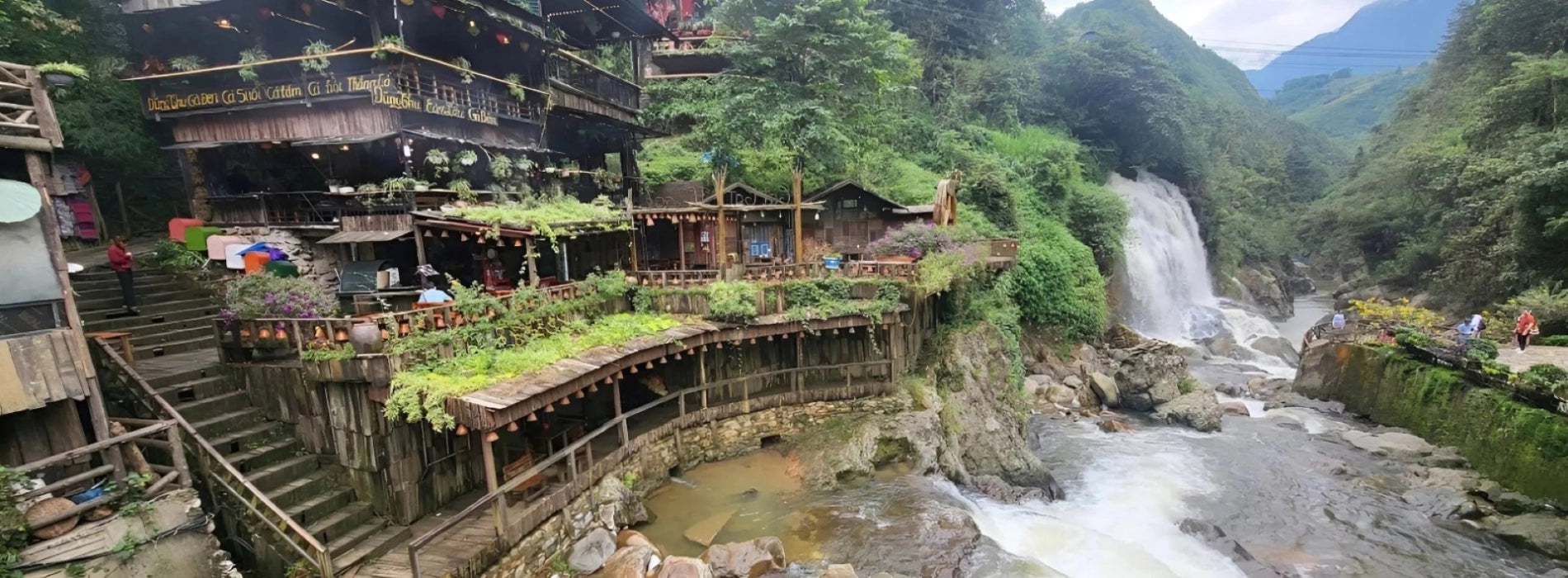
In the northern uplands of Sapa, cooler mountain air draws walkers to Cát Cát Village (about 2.5 km below Sapa town) and quieter Muong Hoa Valley trails. Watch out for steep stone steps inside Cát Cát after rain—travelers in their 60s and 70s often prefer hiring a private car pickup at the lower bridge gate rather than climbing back uphill, leaving energy for traditional flax-weaving workshops and waterfall viewpoints.
Quiet Mekong Architecture at Liên Hoa Bảo Tháp (Cần Thơ)
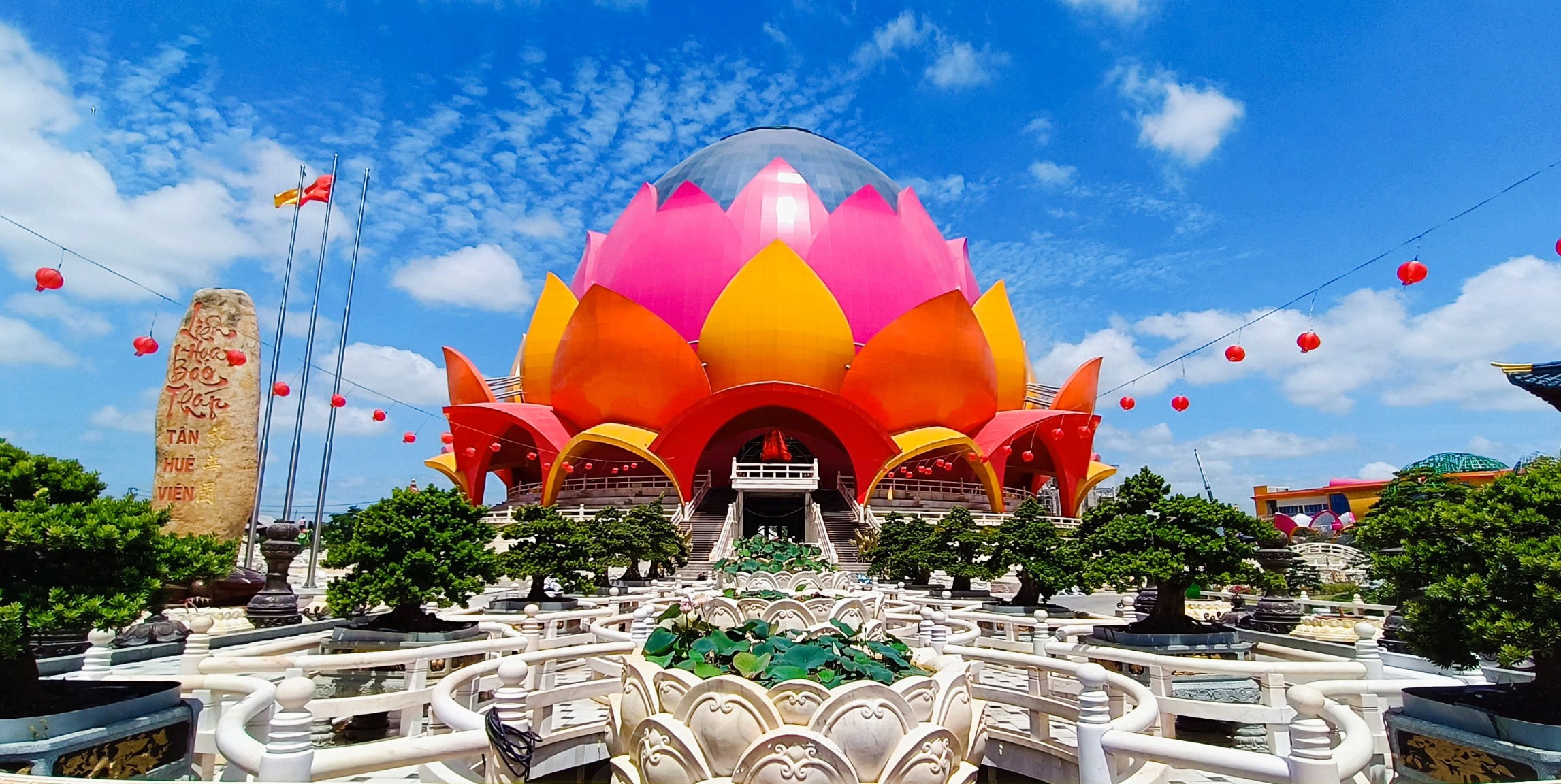
Travelers seeking unhurried cultural mornings in the Mekong Delta often pair river markets with Liên Hoa Bảo Tháp in An Ninh Commune, Cần Thơ City (within the Tân Huệ Viên grounds), where the giant lotus stupa rises approximately 68 meters tall and 99 meters in diameter above landscaped rock-garden boat channels (Source: Vietnam.vn). Level paved courtyards and evening architectural lighting make it comfortable for multigenerational groups.
Direct-Entry Island Stays on Phú Quốc
Off Vietnam’s southwest coast in the Gulf of Thailand, Phú Quốc Island pairs calm dry-season beaches (November to April) with large beachfront resorts, family wedding venues, and the 7.9 km Hòn Thơm three-wire sea cable car (watch the aerial overview of Phú Quốc on YouTube; video credit: Wild Ether). Crucially for last-minute planners, Phú Quốc grants a 30-day island visa exemption to all foreign nationalities arriving directly at Phú Quốc International Airport (PQC) or transiting an international Vietnamese terminal straight to the island (Source: Wikipedia). Check seasonal rainfall before booking via our best time to visit Phú Quốc guide.
Non-Aligned Diplomacy and Fast-Track 2026 Entry Rules
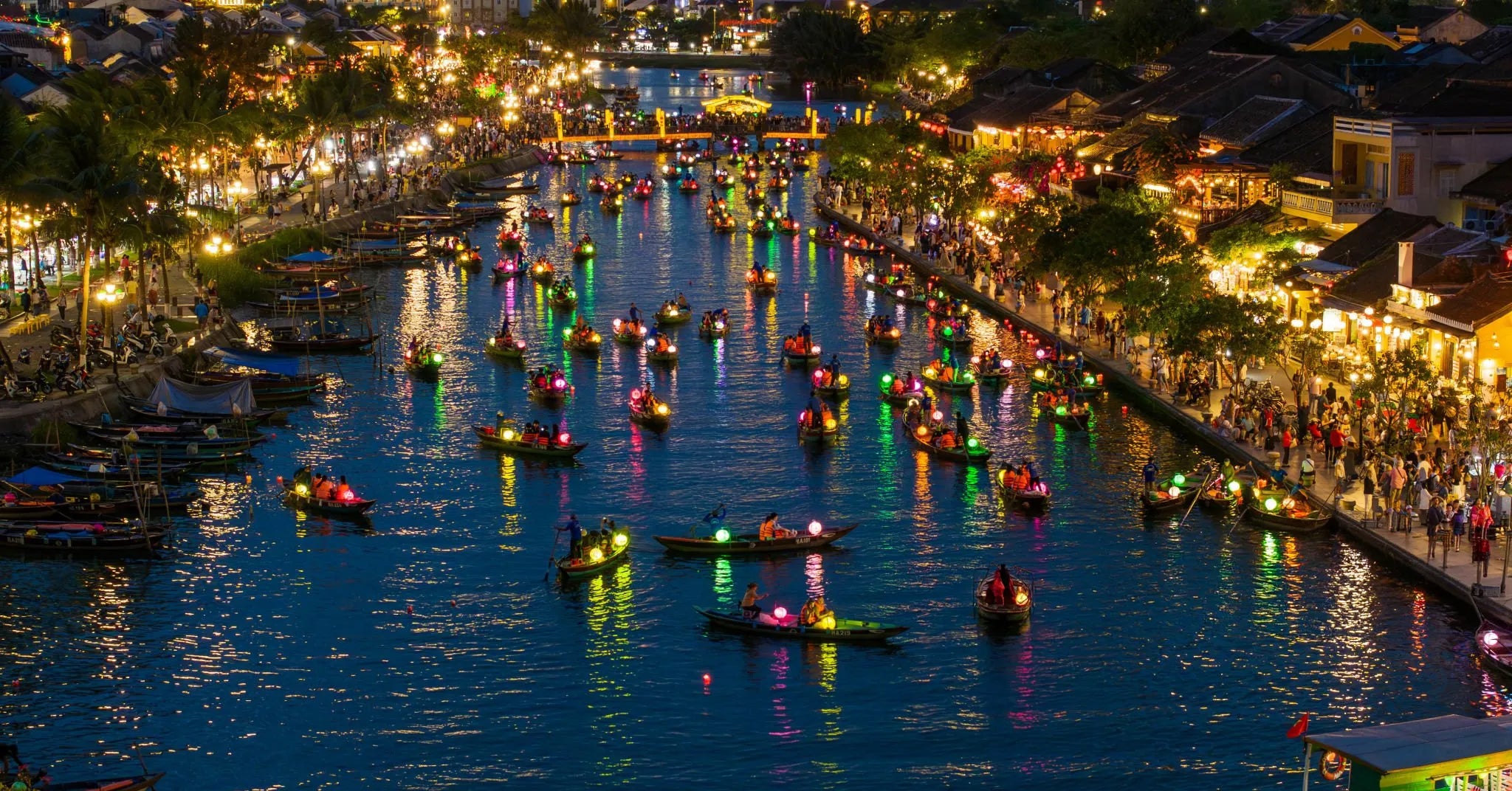
Vietnam’s long-standing non-aligned foreign policy and streamlined 90-day online e-Visa portal make switching a cancelled overseas holiday to Hanoi, Da Nang, or Ho Chi Minh City practical within days rather than weeks.
Travelers unfamiliar with Southeast Asian geopolitics often ask why Vietnam stays insulated when tensions flare elsewhere. Formally articulated at the 29th Diplomatic Conference in 2016, Vietnam’s “bamboo diplomacy” (ngoại giao cây tre) centers on national independence, firm roots, and flexible diplomatic ties across competing global powers without joining military alliances (Source: Wikipedia). In practical visitor terms, visitors from North America, Europe, Australia, East Asia, and the Middle East are welcomed equally at immigration counters and hotels.
- 90-day online e-Visa for US, Canadian, and Australian citizens: According to the Vietnam National Authority of Tourism official FAQs, citizens of all countries and territories can apply online through the sole government portal (evisa.gov.vn) for a 90-day e-Visa costing $25 USD for single entry or $50 USD for multiple entries (Source: Vietnam National Authority of Tourism). Standard processing normally takes 3 working days—apply at least 5–7 business days before departure and avoid third-party “urgent visa” markups unless flying within 48 hours.
- 45-day visa-free entry for qualifying European and Asian passports: Under UK Foreign, Commonwealth & Development Office entry guidance and Vietnam’s unilateral exemption list, passport holders of the United Kingdom, France, Germany, Italy, Spain, Norway, Sweden, Denmark, Finland, Japan, and South Korea can enter Vietnam visa-free for up to 45 days (Source: UK Foreign, Commonwealth & Development Office). Always check your arrival stamp before leaving the immigration desk to confirm the full 45-day allowance was recorded.
- Six-month passport rule and exact port matching: Your passport must remain valid for at least 6 months beyond your planned departure date from Vietnam, and your e-Visa application must match your passport’s full name order and exact arrival airport (such as HAN, SGN, DAD, or PQC) because submitted applications cannot be edited (Source: Government of Canada).
Non-Gulf Flight Routes from North America, Europe, and Australia
You do not need to transit Dubai, Doha, or Abu Dhabi to reach Vietnam comfortably; transpacific gateways in Taipei, Tokyo, Seoul, Hong Kong, and Singapore—plus nonstop flights from San Francisco and Western Europe—keep routing well clear of Middle East airspace.
For North American and European travelers accustomed to booking Emirates, Qatar Airways, or Etihad connections, switching to Pacific or northern/southern Asian corridors often cuts total travel time from the US West Coast and Western Canada while keeping layovers in well-connected East Asian terminals. Since November 2021, Vietnam Airlines has operated nonstop flights between San Francisco (SFO) and Ho Chi Minh City (SGN) alongside direct European services from London, Paris, and Frankfurt (Source: Wikipedia).
| Origin | Non-Gulf Hubs | Vietnam Entry | Key Benefit |
|---|---|---|---|
| US West Coast | Direct SFO, or TPE, NRT/HND, ICN | SGN, HAN, DAD | Zero Gulf transit; 1-stop or nonstop |
| US & Canada | YVR/SEA/LAX via TPE, ICN, HKG | HAN, SGN, DAD | Smooth Pacific connections & lounges |
| East Coast US | JFK/ORD/YYZ via TPE, ICN, HND, SIN | HAN, SGN | Polar/Pacific routing; full-flat options |
| UK & Europe | Direct LHR/CDG/FRA, or SIN, BKK, TPE | HAN, SGN | Southern/Eastern corridors via ASEAN |
| Aus & NZ | Direct SYD/MEL/PER, or via SIN, KUL | SGN, HAN | Short 8–9 hr daytime or overnight hops |
Open-jaw booking tip for 2-week trips: Book a multi-city (“open-jaw”) ticket landing in Hanoi (HAN) and departing home from Ho Chi Minh City (SGN) (or vice versa). That eliminates a 2-hour domestic backtrack flight at the end of your holiday and saves roughly $70–$120 USD (1,750,000–3,000,000 VND) per traveler in extra domestic airfare and airport transfers.
Keeping Airfares and Ground Transport Costs Predictable
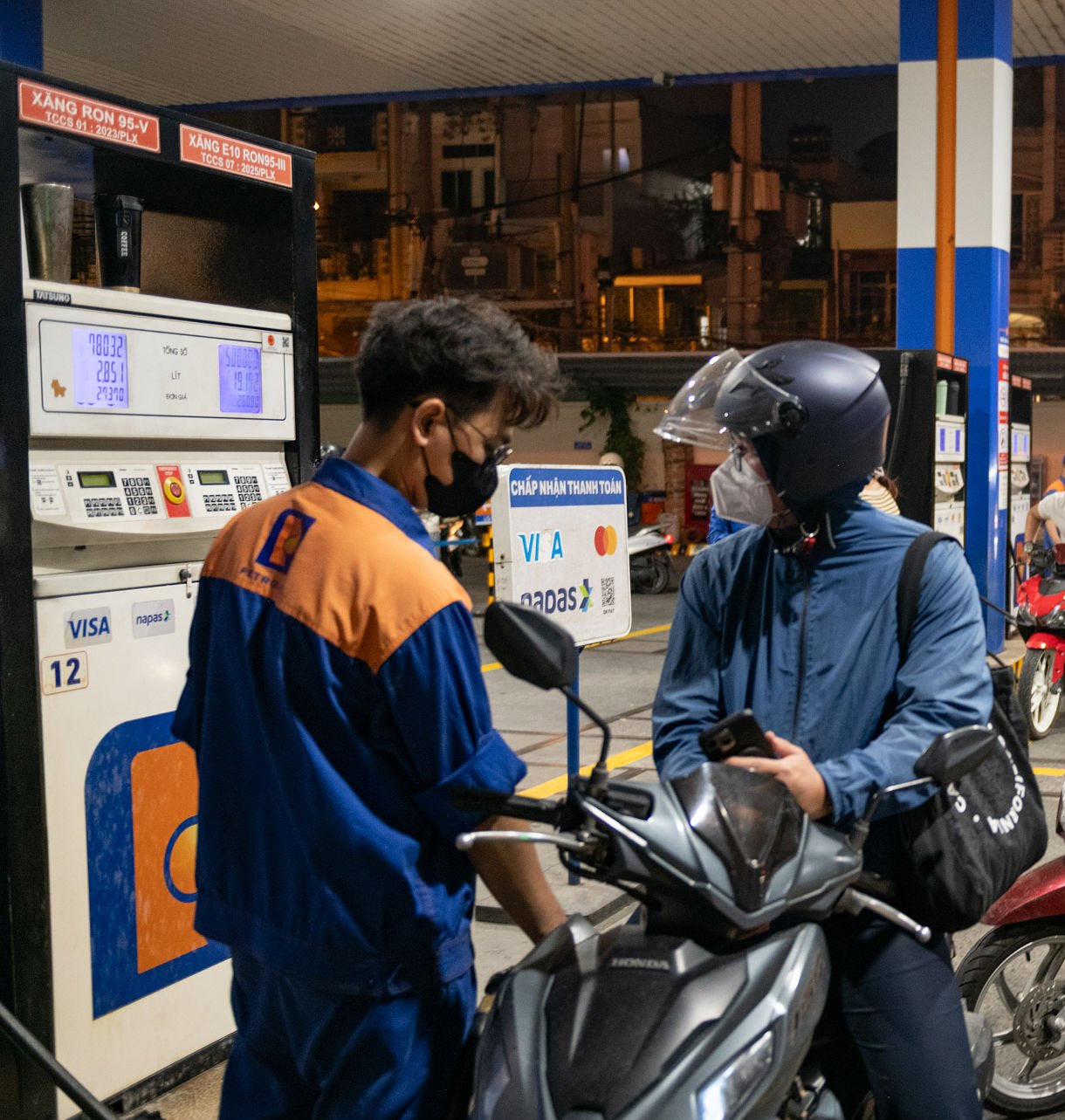
Global oil headlines rarely derail on-the-ground budgets in Vietnam when you understand electric city fleets, domestic fare bundles, and schedule-consolidation buffers.
When oil prices spike internationally, travelers reasonably worry about surprise fuel surcharges or stranded domestic connections. Here is how transport pricing actually behaves on the ground in Vietnam—and how to protect both your wallet and your schedule:
| Factor | Local Market Reality | Smart Booking Move |
|---|---|---|
| Fuel Prices | Xanh SM runs VinFast VF 5 & VF e34 EVs | Use app EVs or lock USD tour quotes |
| Air Tickets | Domestic legs cost ~$45–$110 USD one-way | Pick VN Classic or VJ Deluxe (20 kg) |
| Time Shifts | Mid-day domestic flights may merge 1–3 hrs | Fly to HAN/SGN a day before flying home |
| Taxi Fares | SGN downtown rides run $6–$10 USD | Set up Grab/Xanh SM at home before trip |
- Electric city taxis vs private touring cars: Across Hanoi, Da Nang, Hội An, Ho Chi Minh City, and Nha Trang, Vietnam’s pure-electric taxi operator Xanh SM dispatches quiet VinFast VF 5 and VF e34 sedans alongside Grab and Be (Source: Wikipedia), with metered or app transfers from Tân Sơn Nhất Airport to central Ho Chi Minh City running just 150,000–250,000 VND ($6–$10 USD) (Source: Vietnam National Authority of Tourism)—see our step-by-step getting around Vietnam guide for app setup. For multi-day overland legs (such as Hanoi to Ninh Bình or Huế over the Hải Vân Pass), booking a private tour locks your car and driver rate in USD upon a 10% deposit rather than exposing you to daily fuel surcharges.
- Domestic airline fare tiers demystified: Avoid bare-bones promotional domestic tickets if your international itinerary is still shifting. Note that Vietjet “Deluxe” is an economy bundle—not business class—that includes a 7 kg carry-on, 20 kg checked bag, standard seat choice, and date/route changes (paying any fare difference), whereas Vietnam Airlines includes meals and checked baggage on standard Classic/Flex economy fares with stronger on-time reliability for tight cruise or international connections.
- Understanding “flight consolidation” vs true cancellations: Outside peak Vietnamese holidays, domestic carriers occasionally merge two half-full mid-afternoon departures on high-frequency trunk routes (like Hanoi–Da Nang or Hanoi–Ho Chi Minh City, where flights run hourly) into a single departure 60 to 150 minutes earlier or later. Schedule overnight Ha Long Bay cruises or international departures with an evening buffer night in your gateway city so a 90-minute domestic shift never causes stress.
How to Pivot a Cancelled Holiday into a Two-Week Vietnam Plan
If you are repurposing 10 to 16 vacation days originally set aside for another region, keep your Vietnam replacement route focused on two or three weather-matched hubs rather than rushing through seven hotel check-ins:
Best for March–May & September–November (Full North-to-South Classic, 12–15 Days): Mild northern skies and warm southern mornings suit a balanced Hanoi, Ninh Bình, Ha Long Bay, Hội An, and Ho Chi Minh City route—compare pacing on our 14-day Vietnam itinerary or 15-day private Vietnam tour.
Best for December–April (Central Heritage & Southern Islands, 10–15 Days): When travelers want dry sunshine to replace a cancelled winter beach break, pair Hanoi or Hội An with Ho Chi Minh City, the Mekong Delta, and Phú Quốc—see our 15-day Vietnam beach and culture itinerary.
Before departure, verify two practical essentials outlined in our Vietnam travel tips hub: activate a local data plan ahead of landing using our Vietnam eSIM guide, and purchase standalone travel medical and evacuation insurance (US Medicare and Canadian provincial health plans do not cover hospital care in Vietnam). If you already hold non-refundable vacation dates and want local help matching flights, visas, and gentle hotel pacing, our 25–30 staff across Hanoi, Sapa, Da Nang, Saigon, and Phú Quốc can map a custom plan via our contact page with a straightforward 10% deposit.
Frequently Asked Questions
How quickly can we get a Vietnam visa if we switch destinations at short notice?
Most travelers receive an official 90-day Vietnam e-Visa within 3 working days via the government portal at evisa.gov.vn ($25 USD single entry or $50 USD multiple entry). Passport holders from the United Kingdom, France, Germany, Italy, Spain, Japan, and South Korea can enter visa-free for up to 45 days, while direct international arrivals into Phú Quốc Island qualify for a 30-day island visa exemption.
Which flight hubs reach Vietnam without transiting the Middle East?
From North America, travelers can fly nonstop between San Francisco (SFO) and Ho Chi Minh City (SGN) on Vietnam Airlines or connect across the Pacific through Taipei (TPE), Tokyo (NRT/HND), Seoul (ICN), Hong Kong (HKG), or Singapore (SIN). From Europe and Australia, direct flights from London, Paris, Frankfurt, Sydney, Melbourne, and Perth—plus connections via Singapore or Bangkok—stay well outside Persian Gulf airspace.
Do rising global fuel prices make ground transport in Vietnam expensive?
Everyday city transport remains very affordable: short app-hailed car rides cost $1.50–$5.00 USD (38,000–125,000 VND), Ho Chi Minh City airport transfers run $6.00–$10.00 USD (150,000–250,000 VND), and Xanh SM operates pure-electric VinFast VF 5 and VF e34 taxis across major hubs. For multi-day private touring, locking a quoted USD itinerary with a 10% deposit shields your ground budget from pump fluctuations.
Are domestic flights in Vietnam flexible if our international arrival shifts?
Yes, provided you avoid the lowest non-changeable promo fares. Booking Vietnam Airlines Classic/Flex economy or Vietjet’s “Deluxe” economy bundle (which includes 7 kg carry-on, 20 kg checked luggage, and date or route changes subject only to fare difference) lets you adjust domestic legs if your long-haul carrier revises arrival times.
Why are some domestic flights in Vietnam retimed, and how do we protect connections?
On high-frequency domestic routes such as Hanoi–Da Nang or Hanoi–Ho Chi Minh City, airlines occasionally merge two lighter mid-day flights into a single departure 1 to 3 hours apart (“flight consolidation”) rather than stranding passengers. Always fly back into your international gateway city the afternoon or evening before your long-haul flight home so a minor domestic schedule shift never puts your onward ticket at risk.
Further Reading & Resources
- Vietnam travel advice — Risk level & entry rules Government of Canada
- Frequently Asked Questions — Official e-Visa fees & airport transfers Vietnam National Authority of Tourism
- Entry requirements — 45-day visa exemption & 90-day e-Visa UK Foreign, Commonwealth & Development Office
- Bamboo diplomacy (Vietnam) — Foreign policy overview Wikipedia
- Vietnam Airlines — Nonstop US & European route history Wikipedia
- Can Tho: Explore Lien Hoa Bao Thap (68-meter lotus pagoda) Vietnam.vn
- Phú Quốc — 30-day island visa exemption policy Wikipedia
- Green SM (Xanh SM) — VinFast VF 5 & VF e34 electric fleet Wikipedia

A JOURNEY SHAPED AROUND YOU
Meet the people behind
your Vietnam plans.
Tell us what you enjoy, how you like to travel and where you would like more time. We can discuss a private itinerary around your interests and preferred pace.

Vani is the Founder and Lead Travel Designer at Truly Voyage. With over a decade of experience and a deep passion for her Vietnamese heritage, she specializes in crafting bespoke, unhurried itineraries. Vani is dedicated to helping travellers experience the authentic soul of Southeast Asia with absolute financial security and 24/7 on-ground support.
0 Comment