

 By Vani
The best time to visit Hue is usually February to April, with March a useful balance of low rainfall and manageable heat. April can already be hot. May to August suits beach-focused trips with early sightseeing; September to November needs more flexibility because of heavy rain and flooding.
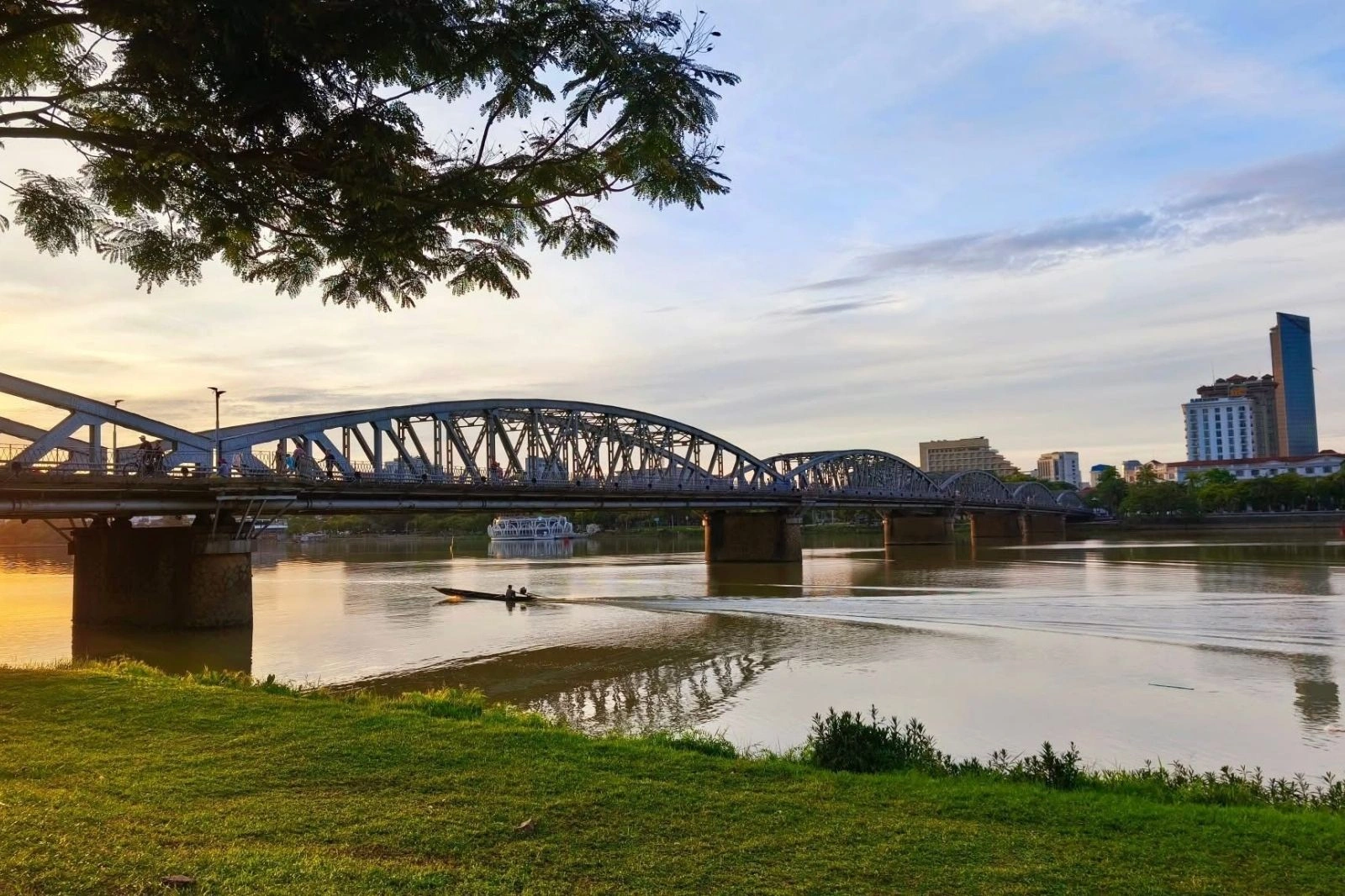
Stand on Truong Tien Bridge in March, and the Perfume River runs calm under a sky the colour of pale jade, the kind of light that makes the Citadel’s rooftops look freshly painted. Stand on that same bridge in late October, and the water can rise high enough to swallow the riverbank paths entirely. Working out the best time to visit Hue starts with understanding that this city runs on a genuinely different weather clock from the rest of Vietnam, and getting the timing wrong here is not just a matter of a few rainy afternoons.
This guide from Truly Voyage compares Hue’s seasonal rainfall and temperatures with practical advice on recent flood impacts, so you can choose dates for the kind of trip you want. Climate averages help with planning, but cannot predict the weather on your dates. For the transport side of things, once you have picked your dates, our separate how to get to Hue guide covers the routes themselves in full.
What Is Hue’s Climate Actually Like?
Working out the best time to visit Hue starts with its late rainy season. The climate series used here gives October about 755mm of rainfall, March 45mm and an annual total of 2,800mm; these are long-term averages, not a forecast (Source: Climates to Travel).
| Month | Average rainfall | Average daily temperature |
|---|---|---|
| March (driest) | 45mm | 24.1°C |
| July (summer) | 90mm | 29.9°C |
| October (wettest) | 755mm | 26°C |
| Year | 2,800mm | 25.95°C |
Hue’s wetter months arrive late in the year. Vietnam Tourism describes September to February as cool to cold, rainy and cloudy, and March to August as warm to hot, with sunnier conditions. That is why a countrywide dry-season recommendation can be misleading for Hue (Source: Vietnam Tourism).
Climate averages can differ between weather stations and reference periods. Use one consistent series when comparing months, and treat the seasonal pattern as a planning guide rather than expecting the same rainfall on every trip.
💡 Do not mix rainfall figures from different websites when planning. They vary enough that consistency within one source matters more than chasing the most precise-sounding number.
Why Is Spring (February to April) the Ideal Time to Visit?
Spring offers a useful compromise between rainfall and heat, but April is warmer than February. Choose earlier dates if heat is your main concern.
March and April average 45mm and 60mm of rain respectively in this climate series. April’s average daily high is already 31.4°C, so low rainfall does not necessarily mean cool sightseeing. For travellers who dislike heat, Climates to Travel recommends late January to mid-March rather than the whole spring period (Source: Climates to Travel).
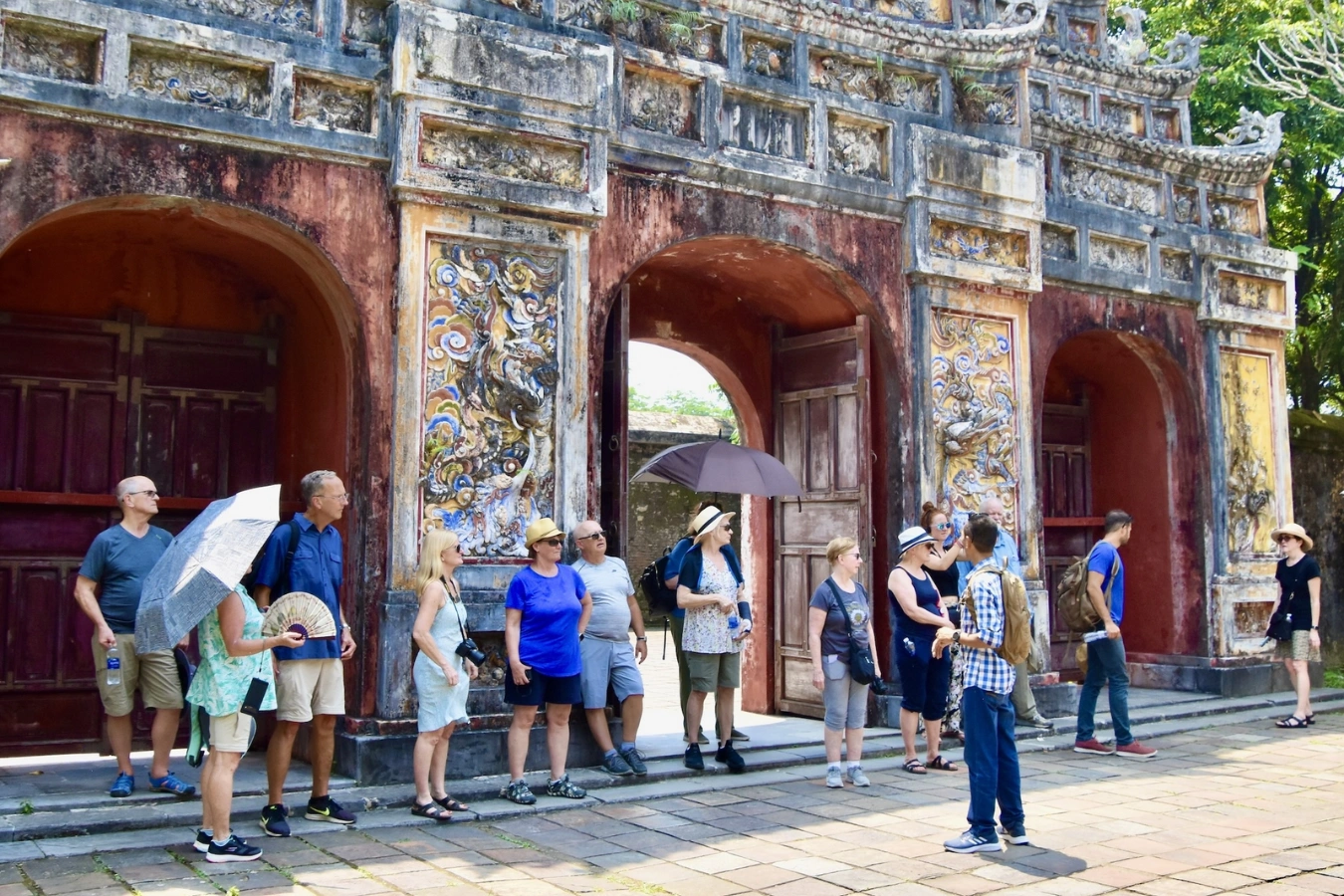
This is a useful window for walking around the Hue Imperial City’s open courtyards. Even in spring, leave room for shade and seated breaks rather than planning continuous walking through midday.


It is also an ideal time to book a comprehensive Hue cultural tour, where shaded pine walkways at Tu Duc Tomb, the grand stone architecture of Khai Dinh Tomb, and the iconic seven-tiered tower at Thien Mu Pagoda feel like pleasant explorations rather than endurance tests against heat or rain.
If Tet or a festival matters to your trip, check that year’s programme before choosing dates. Do not assume the main events always take place in April: the announced Hue International Music Week 2026 programme ran from 13 to 18 June (Source: Vietnam Government News).
🌸 Truly Voyage planning tip: Start with March if your dates are flexible. If considering April, plan early courtyard visits and a quieter lunch break rather than expecting cool weather all day.

A JOURNEY SHAPED AROUND YOU
Meet the people behind
your Vietnam plans.
Tell us what you enjoy, how you like to travel and where you would like more time. We can discuss a private itinerary around your interests and preferred pace.
What Is Summer (May to August) Like in Hue?
Summer brings Hue’s hottest weather, with average daily highs of 34.1–35.5°C from May to August. It is comparatively dry, but demanding for long walks (Source: Climates to Travel).
The climate series puts rainfall across May to August at 90–115mm per month, much lower than in autumn, with June the hottest month by mean temperature at 30.2°C (Source: Climates to Travel). A stay near Lang Co Beach can balance cultural visits with time by the coast. Keep swimming plans dependent on local sea conditions rather than the month alone.
The trade-off is straightforward: low rainfall, but demanding heat for anyone walking around open stone courtyards at Minh Mang Tomb in the middle of the day. To escape the midday sun, you can plan outdoor visits for early morning, relax over local royal dishes at lunch, and take a breezy evening cruise on a dragon boat in Hue along the Perfume River as the sun sets.

☀️ Truly Voyage planning tip: Pack for real heat in summer. Plan the heaviest walking for early morning, carry water and treat the afternoon as recovery time, especially if anyone in your group tires easily in humid conditions.
How Serious Is Hue’s Rainy Season (September to January)?
September starts Hue’s wetter period, with October and November especially wet. Rainy, cool conditions can continue through February; Vietnam Tourism flags occasional flooding from September to November (Source: Vietnam Tourism).
This is not a theoretical risk. VnExpress reported 1,739mm of rain at Bach Ma peak in the 24 hours from 26 to 27 October 2025. That was a mountain measurement, not a Hue city-centre reading. Its reported 450–900mm total for Hue covered a different period, from 22 October to early 29 October (Source: VnExpress International).
The same report showed the Imperial Citadel under about a metre of water on 28 October 2025. Flooding can therefore affect major heritage sights as well as riverside streets; allow for changes to visits and transfers when heavy rain is forecast (Source: VnExpress International).

If your dates are flexible and uninterrupted sightseeing is important, choose a drier part of the year. September is not automatically a dry alternative to October. December and January can still bring persistent rain and cool days, so keep indoor meals and flexible sightseeing plans available rather than assuming the risk has passed.
🌧️ Truly Voyage planning tip: For autumn visits, choose accommodation and transfers with flexible arrangements. Ask your hotel about its immediate surroundings and access after heavy rain; conditions can differ between neighbourhoods.
Can You Combine Hue with Hoi An and Da Nang in One Trip?
Yes. March is a useful starting point for a combined Hue, Da Nang and Hoi An itinerary. Spring can balance heritage sightseeing with time on the coast, but allow for different weather at each stop.
Vietnam Tourism describes Hoi An’s wetter period as September to January. Its broad seasons overlap with Hue’s, but you should not assume identical daily conditions or calm seas across the region (Source: Vietnam Tourism).
A route through central Vietnam in spring can connect Hue’s Citadel, Hoi An’s Old Town and the Da Nang coast. For the transfer, a private car can use the coastal bends of the Hai Van Pass, while rail offers a different journey along the coast. Choose transport around comfort and the current forecast; clear visibility and disruption-free travel are never guaranteed.

How Can You Plan the Best Time to Visit Hue at a Comfortable Pace?
Start with your tolerance for heat and rain, then choose dates and a walking pace. A quieter schedule leaves room for Hue’s food and heritage without making every day a long outdoor circuit.
Before you go
- Choose your season: compare spring sightseeing with summer heat and autumn rain before booking your route.
- Keep walking manageable: visit open courtyards early and break up the tomb circuit with seated meals and rest.
- Leave room to adapt: keep the Hai Van transfer and outdoor visits flexible when heavy rain is forecast.
Who it suits
Spring suits travellers who want cultural walks and tomb visits with less exposure to summer heat. A slower trip can combine these with local meals and a river outing when conditions allow.
Who may prefer something else
Beach-focused travellers may prefer summer, accepting early sightseeing and afternoon rest. Travellers with fixed outdoor plans may prefer to avoid the wetter autumn months.

📋 Truly Voyage planning tip: Check current forecasts and local travel updates close to departure, then ask your accommodation about access before setting out after heavy rain. Leave time to rearrange an outdoor visit rather than trying to complete a fixed checklist.
Frequently Asked Questions About the Best Time to Visit Hue
What is the best month to visit Hue?
March is a useful first choice for lower rainfall without summer’s usual heat. April can also suit sightseeing, but plan early visits and breaks because it is warmer.
Is Hue dangerous to visit during flood season?
Flooding presents genuine hazards in October and November.
Do not assume September is risk-free. Vietnam Tourism flags occasional flooding from September to November, so choose a drier season if changes to outdoor plans would be difficult (Source: Vietnam Tourism).
Can I combine Hue with Hoi An and Da Nang in one trip?
Yes. March is a useful starting point for the combined route.
Spring offers a useful overlap for heritage sightseeing and coastal stops. Keep a flexible schedule because the cities do not necessarily have the same weather on the same day.
Is it safe to visit Hue in December or January?
Visits are possible, but these are still rainy-season months.
Expect cool or overcast days and allow for rain. Choose flexible plans and check the current forecast instead of treating either month as automatically safe from flooding.
How hot does Hue get in summer?
Expect hot days and plan outdoor activity early.
Summer is a better fit for travellers comfortable with heat and afternoon rest than for those hoping to walk around exposed courtyards throughout the day.
Does Hue’s rainy season affect the whole city equally?
No, severity depends on elevation and proximity to the Perfume River.
Flood severity varies across neighbourhoods, but severe storms have submerged low-lying areas and sections of the Imperial Citadel itself, meaning caution is necessary during peak storm months.
Conclusion
The best time to visit Hue depends on your priorities. March offers a useful balance for cultural sightseeing; April is warmer; summer suits coastal stays with early outdoor visits; and autumn needs flexibility for heavy rain. December and January remain wet-season options rather than a promise of clear skies.
Consider February to April as a starting window, then use our detailed Hue itinerary and Vietnam holidays to explore options for connecting Hue with Da Nang and Hoi An. For more practical advice, visit the Truly Voyage blog, or contact us to discuss your dates, walking pace and flexibility.
Ready to Plan Your Hue Travel Dates?
Get in touch with Truly Voyage to discuss your dates, preferred pace and options for connecting Hue with the rest of central Vietnam.
Further Reading & Resources
Where the figures in this guide come from, plus related guides for planning your trip.
Sources
- Hue climate and monthly averages Climates to Travel
- Weather and climate in Vietnam Vietnam Tourism
- Bach Ma rainfall and Hue flooding, 29 October 2025 VnExpress International
- Hue’s June 2026 event programme Vietnam Government News · in Vietnamese
Related guides
A JOURNEY SHAPED AROUND YOU
Meet the people behind
your Vietnam plans.
Tell us what you enjoy, how you like to travel and where you would like more time. We can discuss a private itinerary around your interests and preferred pace.

Vani is the Founder and Lead Travel Designer at Truly Voyage. With over a decade of experience and a deep passion for her Vietnamese heritage, she specializes in crafting bespoke, unhurried itineraries. Vani is dedicated to helping travellers experience the authentic soul of Southeast Asia with absolute financial security and 24/7 on-ground support.
0 Comment