


Quang Tri war history reveals a haunting past often overlooked by rushed itineraries. Are you tired of checking off historical sites without understanding their true connection? This guide uncovers the pivotal 81-day battle that binds the DMZ together. Discover the continuous narrative of 1972, transforming your visit into a deeply meaningful and coherent journey.
Twenty thousand artillery shells a day. That is what fell on an area smaller than three square kilometres during the summer of 1972, on a stretch of Quang Tri ground you can now walk across in under ten minutes 🪖. By the time the guns finally went quiet that September, the citadel at the centre of it had been reduced so completely that nothing recognisable was left standing, a city of 86,000 people turned, in the words of one journalist who saw it that year, into a pile of rubble with no one left to inhabit it. Stand there today, on quiet, rebuilt ground, and it takes real effort to picture what this same soil absorbed in a brutal summer. It is one continuous, blazing story, and this is the article I ask every Truly Voyage traveller to read before they set foot at Vinh Moc, Khe Sanh or Hien Luong Bridge.
I am Vani, founder of Truly Voyage, and I have watched too many DMZ days turn into a checklist, four sites ticked off with no thread connecting them, photographs taken, boxes checked, the actual weight of what happened here left completely unexamined 🗺️. There is a thread. It runs straight through the summer of 1972.
Vani Tips: Read this article before booking individual site visits. The connecting narrative makes each stop land harder once you understand how it fits the wider story, rather than treating four remarkable places as four unrelated errands.
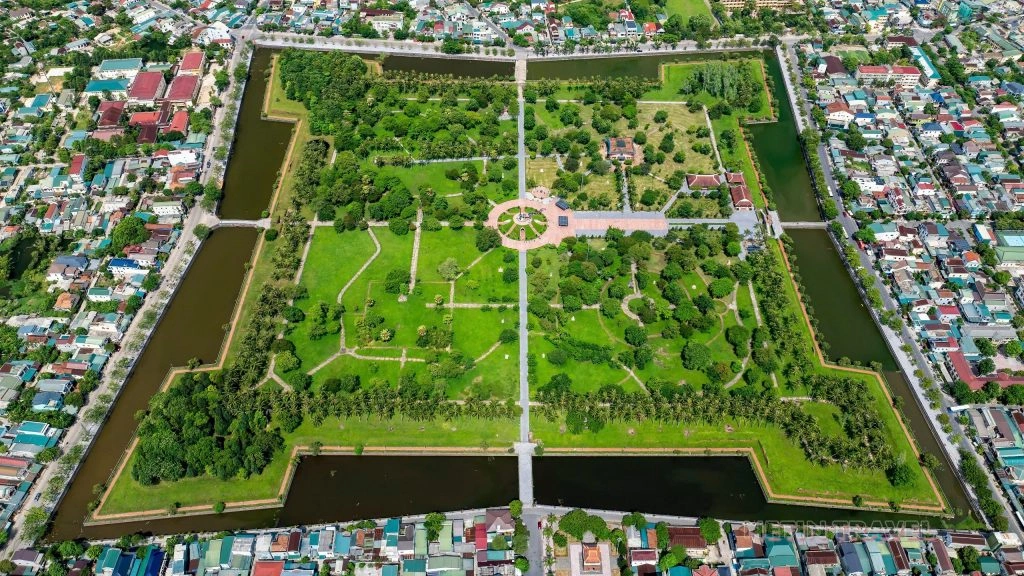
Table of Contents
ToggleA Province Built for War
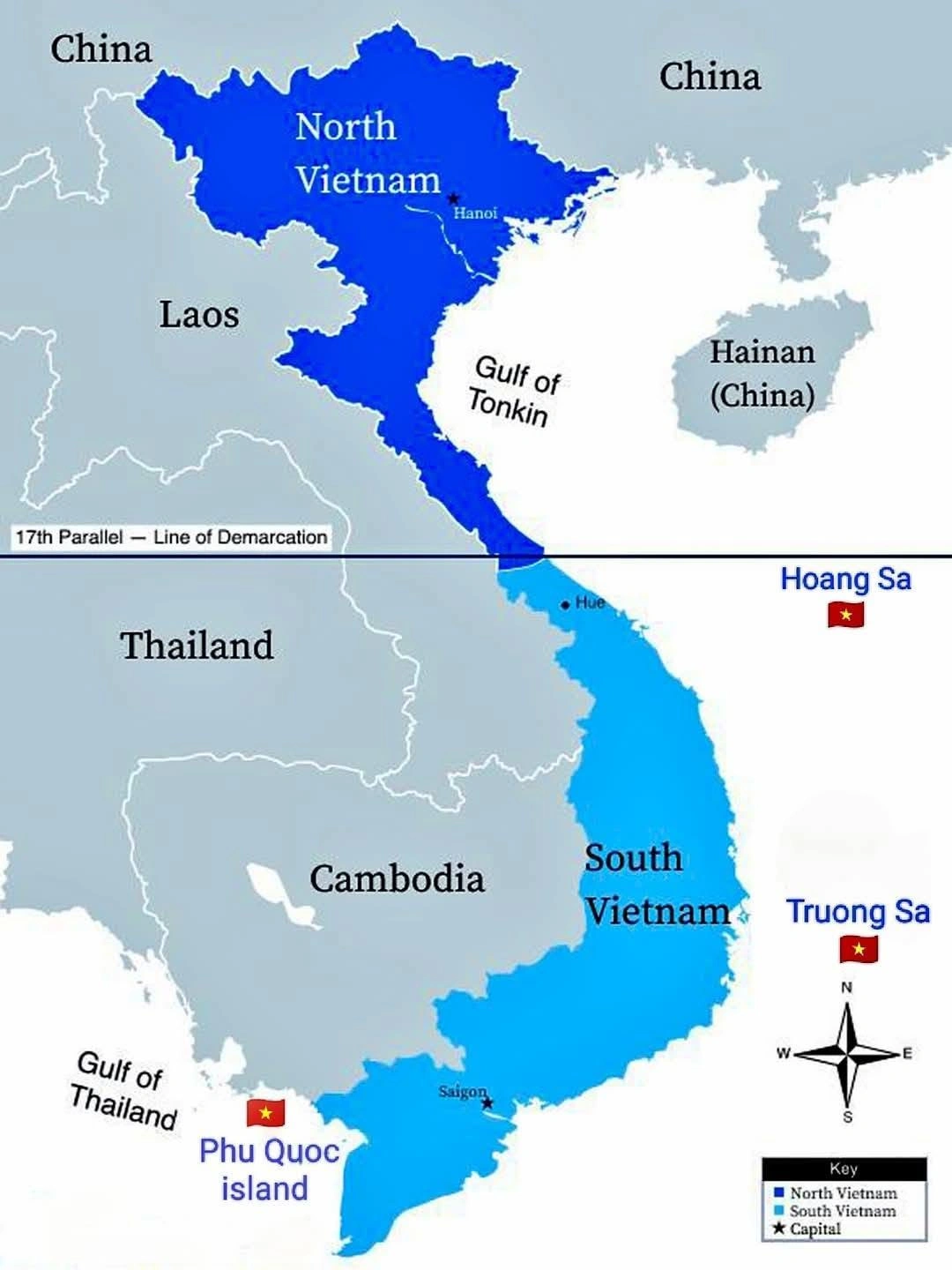
Quang Tri’s location made its wartime fate almost inevitable. Sitting directly on the 17th Parallel, the demarcation line the 1954 Geneva Accords drew along the Ben Hai River, this narrow province spent the next two decades as a highly fought-over stretch of ground in the country.
It was close enough to North Vietnamese sanctuaries across the DMZ and into Laos that the Communist Party’s own Politburo referred to it internally as the blazing front. Every other site in this cluster grew out of that fact of geography: Vinh Moc’s tunnels, dug to survive it; Hien Luong Bridge, built to mark the line itself; Khe Sanh, positioned to watch the infiltration routes running through the mountains; Truong Son National Cemetery, filled by the men and women who kept the Ho Chi Minh Trail open under all of it. Few events tie the province’s war story together as completely as what happened here in 1972.
Ninety Days That Nearly Ended South Vietnam
On 30 March 1972, the Thursday before Easter, North Vietnam launched a massive conventional offensive, a coordinated assault across three fronts involving more than 120,000 troops, a deliberate break from years of guerrilla strategy in favour of a decisive push aimed at forcing a rapid, visible victory ⚔️.
Quang Tri took the full weight of the northern front. By 1 to 2 May, the provincial capital and its ancient citadel, first built under Emperor Gia Long in the early nineteenth century, had fallen entirely to North Vietnamese forces, the opening catastrophe of what became known as the Easter Offensive (Source: HistoryNet). For weeks afterward, South Vietnamese forces regrouped along a defensive line further south, absorbing the shock before they could even consider pushing back.
Eighty-One Days of Fire and Steel
Vani Tips: Ask your guide specifically about the 1972 Easter Offensive if military history interests you. It is a key event that ties nearly every site in this cluster together, and a guide who can walk you through its timeline turns four separate stops into one coherent story.
What followed was a famously long battle of the Vietnam War. South Vietnamese Marine and Airborne forces, backed by American air and naval firepower rather than American ground troops, launched a counteroffensive on 28 June 1972 to retake Quang Tri city and its citadel (Source: Wikipedia).
It became a grinding, street-by-street fight that did not end until 16 September, eighty-one days later. At the height of the fighting, American and South Vietnamese guns fired an estimated 20,000 artillery shells a day into an urban area of less than three square kilometres 💥.
Whatever the precise comparison of explosive yields, the physical result was not in question: 2,000-pound bombs and constant shelling left the citadel and the surrounding city almost entirely levelled, brick and stone reduced to a field of rubble that outside observers described that same year as simply uninhabited.
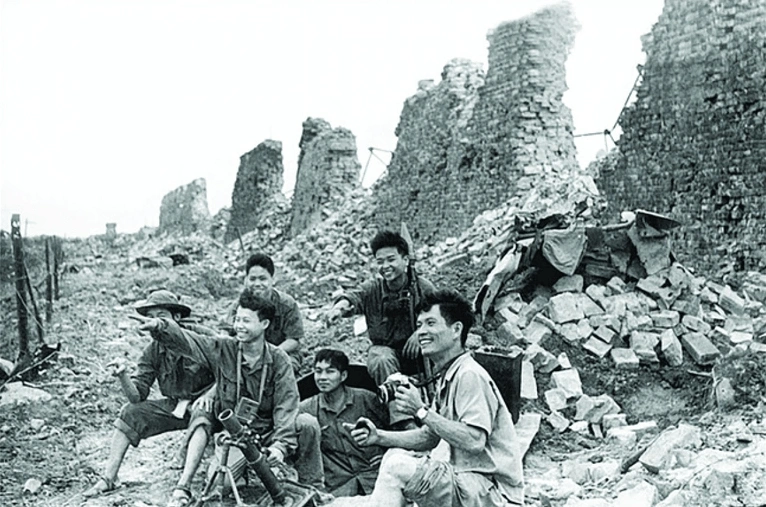
Casualty figures from the citadel fight itself depend heavily on exactly which forces and which dates get counted, and honest sourcing means presenting the range rather than a tidy number. Estimates focused specifically on South Vietnam’s Marine Division put its losses between 977 and roughly 1,300 dead, while broader accounts covering every South Vietnamese unit involved across the full campaign cite figures closer to 7,700 killed. By 16 September, South Vietnamese forces had raised their flag back over what remained of the citadel, an image now cast in bronze at memorials as far away as California (Source: CBS San Francisco), where veterans and their families still gather to make sure the battle is remembered as the hard-fought stand it actually was.
Ready to Explore the Real History of Vietnam?
Don’t just check boxes. Let us guide you through the deeply connected narratives of the DMZ.
Why the DMZ Splits Into Two Routes
Vani Tips: Plan your day around the coastal versus inland split rather than trying to hit every site in one straight line. A guided loop route handles this far better than self-driving without local knowledge of how the roads actually connect.
Quang Tri’s war geography divides cleanly into two corridors, and understanding the split explains why a well-run DMZ day looks the way it does 🚙.
| DMZ Corridor | Geographic Focus | Key Historical Sites |
|---|---|---|
| Coastal (Highway 1) | Lowland division & intense bombing areas | Citadel, Hien Luong Bridge, Vinh Moc Tunnels |
| Inland (Route 9) | Highland infiltration watch & trail networks | Khe Sanh Base, The Rockpile, Truong Son Cemetery |
Table 1: The geographical and historical split of Quang Tri’s DMZ corridors.
The coastal corridor follows Highway 1 north from Dong Ha, home to the Citadel itself, Hien Luong Bridge at the 17th Parallel, and Vinh Moc Tunnels further up the coast.
The inland corridor runs west along Route 9 toward Laos, home to Khe Sanh Combat Base and the Rockpile, built to watch and interdict the infiltration routes feeding the Ho Chi Minh Trail. Treat them as two loops radiating out from Dong Ha, and the whole route clicks into place.
Case Study: Walking the Connected DMZ Step-by-Step
Let’s look at how Thomas, a recent Truly Voyage traveller from the UK, experienced this geography logically:
- Step 1: Morning departure. Thomas started with the coastal corridor first, exploring the Citadel to understand the 1972 context, then moving up to Hien Luong Bridge and Vinh Moc while temperatures were cool.
- Step 2: Midday transition. After a local lunch in Dong Ha, his guide smoothly pivoted the itinerary west along Route 9.
- Step 3: Afternoon inland. The journey climbed into the mountains to Khe Sanh Combat Base, perfectly tying the coastal bombardment narrative to the highland infiltration watch.
This structural loop saved him hours of backtracking and kept the historical timeline completely intact.
What the War Left Behind
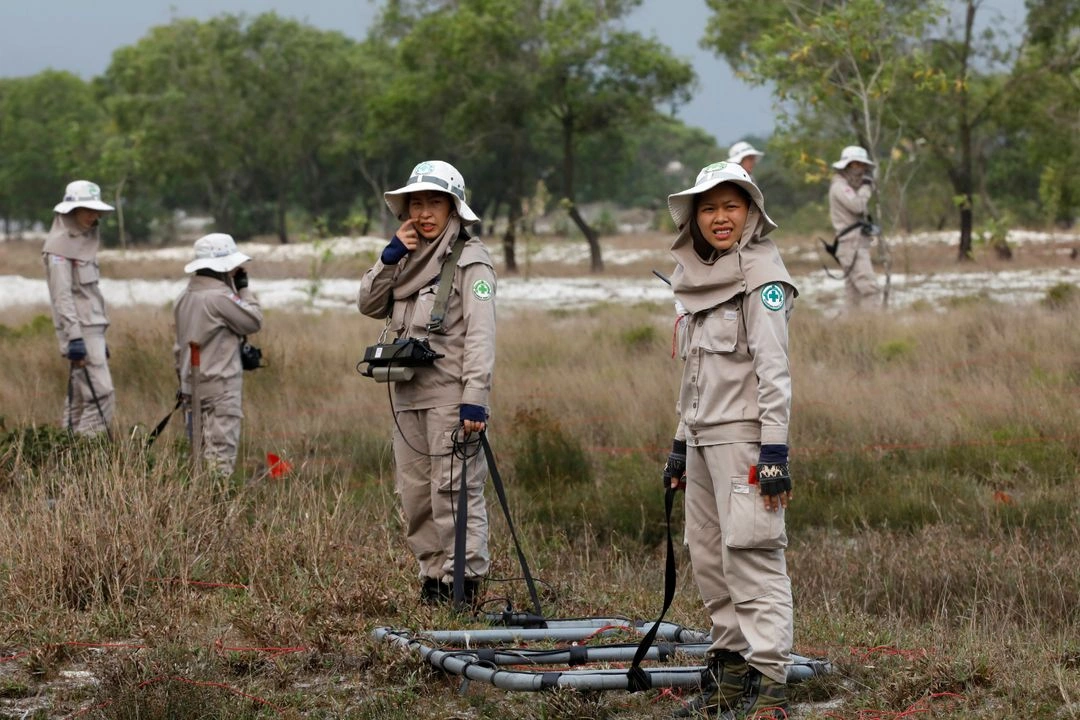
Quang Tri’s war history did not end in 1975, and the clearest evidence of that sits in the ground itself ⚠️. Decades of unexploded ordnance from the bombing campaigns of this period, including the extraordinary concentration of shelling during the 81-day citadel fight, remain a documented and actively managed legacy across the former province.
Farmers here still occasionally turn up buried shells while working fields that were battlefields two generations ago. That story deserves its own careful, currently sourced treatment, and this cluster covers it in full in its own dedicated safety article.
Planning a Day That Actually Connects
Vani Tips: Budget a full day, not a half day, if you want to properly connect the coastal and inland sites rather than rushing between them. The story only holds together if you have time to let each stop breathe.
A day built around this history works best starting early from Hue, covering the coastal sites first while the morning stays cool, then pushing inland along Route 9 toward Khe Sanh once the sun is higher ☀️.
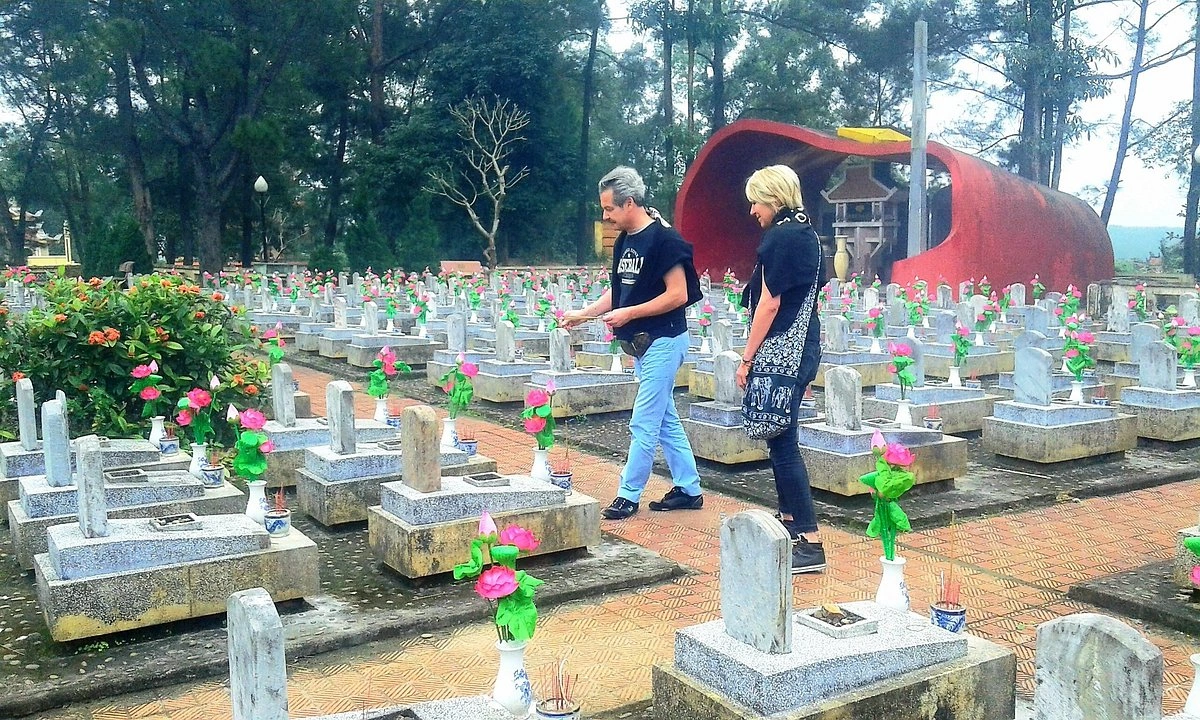
Rushing it into half a day means picking two or three sites and losing the throughline entirely, which defeats the purpose of understanding this history in the first place.
Need Expert Advice for Your DMZ Itinerary?
Our local guides at Truly Voyage know exactly how to structure your day to bring this powerful history to life.
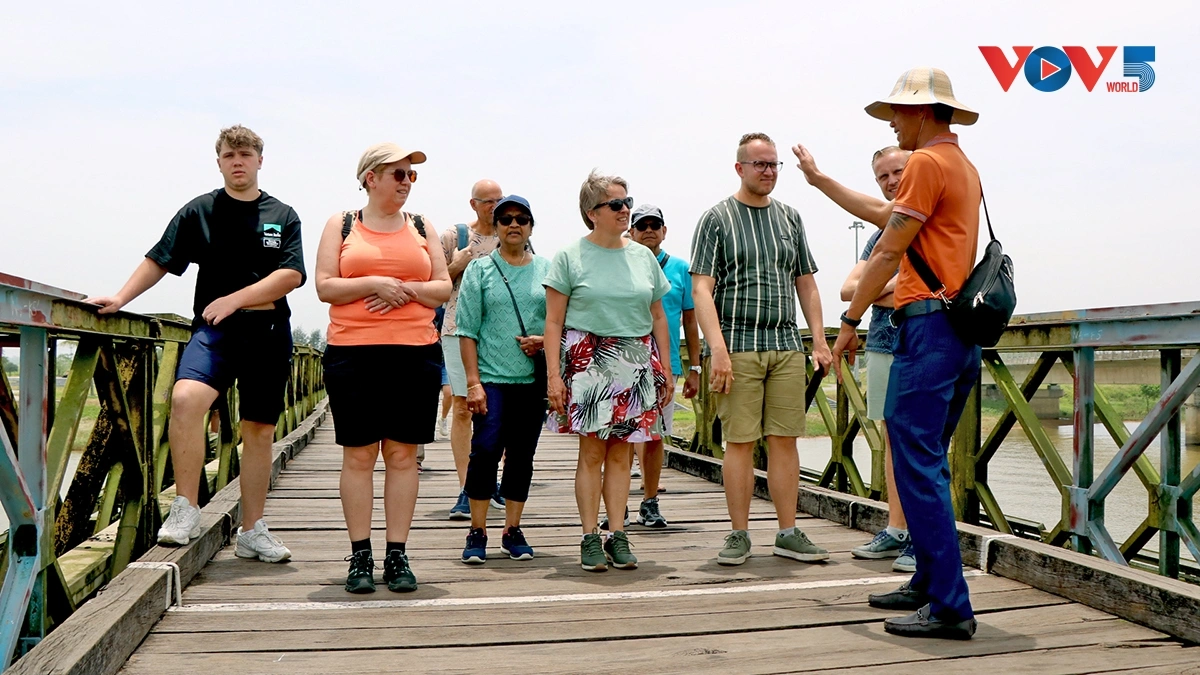
Frequently Asked Questions
What was a defining battle of Quang Tri’s war history?
Quick Answer: The 1972 Battle of Quang Tri Citadel, an 81 day fight from 28 June to 16 September to retake the city after it fell during the opening days of the Easter Offensive.
How do Quang Tri’s DMZ sites relate to each other geographically?
Quick Answer: They split into a coastal Highway 1 corridor and an inland Route 9 corridor toward Laos.
They split into a coastal Highway 1 corridor, including the Citadel, Hien Luong Bridge and Vinh Moc Tunnels, and an inland Route 9 corridor toward Laos, including Khe Sanh Combat Base and the Rockpile.
How many casualties resulted from the fight for Quang Tri Citadel?
Quick Answer: Estimates vary by which forces and dates are counted.
From around 977 to 1,300 South Vietnamese Marine Division deaths specifically, up to roughly 7,700 across all South Vietnamese units in the wider campaign.
Is Quang Tri’s war history the same story as Quang Binh’s?
Quick Answer: Related but distinct.
The Quang Binh cluster covers the Ho Chi Minh Trail’s Road 20 Quyet Thang and Hang Tam Co cave system further north, while this cluster covers the DMZ line and Quang Tri Citadel specifically.
Are there still unexploded bombs in Quang Tri today?
Quick Answer: Yes, decades of ordnance from this period remain a documented, actively managed legacy.
They are covered fully and with current data in this cluster’s safety article.
Vani Tips: Read the Quang Binh cluster’s Ho Chi Minh Trail article alongside this one if you are covering both provinces on your trip, since the two wartime stories connect north to south along the same mountain range.
Conclusion
Quang Tri war history resolves into a clear throughline once you know where to look: a province built for war by geography alone, a citadel that absorbed immense artillery in eighty-one days, and four remarkable sites that only make full sense once you understand how the 1972 Battle of Quang Tri Citadel connects them 🕊️.
Read this first, plan your route around the coastal and inland split rather than a rushed straight line, and give the day the time this history demands. Everything else in this cluster builds on what happened here in the summer of 1972, and Truly Voyage builds every DMZ route from Hue with exactly that connection in mind.
Further Reading & Resources
- HistoryNet, How South Vietnam Won the Vietnam War’s Longest Battle – Direct Link
- Wikipedia, Citadel of Quang Tri – Direct Link
- Wikipedia, Second Battle of Quang Tri – Direct Link
- Lonely Planet, Quang Tri Citadel, Demilitarised Zone, Vietnam – Direct Link
- CBS San Francisco, San Jose Monument Dedicated to South Vietnamese Who Fought at Quang Tri – Direct Link

Vani is the Founder and Lead Travel Designer at Truly Voyage. With over a decade of experience and a deep passion for her Vietnamese heritage, she specializes in crafting bespoke, unhurried itineraries. Vani is dedicated to helping travellers experience the authentic soul of Southeast Asia with absolute financial security and 24/7 on-ground support.
0 Comment