

 By Vani
Sapa alternatives include Pù Luông for rice terraces and village stays, Ninh Bình for boat trips among limestone hills, Hà Giang for mountain-road scenery and Mù Cang Chải for terrace photography. Choose by your travel month, walking preferences and tolerance for winding roads. Mai Châu is another option if you prefer a valley setting.
Looking beyond Sapa makes sense when you want a different landscape or pace, rather than simply a destination described as quieter. Rice paddies beside a river, terraces on a mountainside and a road journey across a rocky plateau offer different experiences. None comes with a promise of empty viewpoints or golden rice on a fixed date.
Use this comparison to narrow your North Vietnam itinerary, then use the destination guides for detailed routes. The month matters, but so do the last stretch to your accommodation, the steps to your room and how much walking you want each day.
Which Sapa alternative fits your trip?
Choose the experience first
- Pù Luông: choose terrace views and village walks, with a room and walking route matched to your needs.
- Ninh Bình: choose lowland rice scenery, limestone hills and a boat-centered visit rather than a highland trek.
- Hà Giang: choose mountain roads and rocky scenery; specify Hoàng Su Phì separately if rice terraces are your priority.
- Mù Cang Chải: choose a terrace-focused trip if the journey and access to viewpoints suit you.
- Mai Châu: consider a valley stay and village paths if those matter more than steep terraces.
These are planning recommendations, not rankings of how authentic a place is. Sapa may still suit you if its established accommodation and your chosen village route meet your priorities; see the Sapa rice terraces guide before ruling it out.
Pù Luông: terraces, village walks and room choice

Pù Luông Nature Reserve in Thanh Hóa combines rice fields, waterwheels and waterfalls. It is a useful option when you want to stay near rural scenery, with walks as part of the visit rather than a town-centered holiday. (Source: Vietnam Tourism)
Walking and staying in Pù Luông

Village walks or longer hikes: ask for the actual route, surface, climbing and vehicle pickup points. A walk between Bản Đôn and Bản Hiêu should be discussed as a specific outing, not assumed to be an easy stroll because it passes through villages. A summit hike is a separate choice.
Homestay or private room: do not assume that all stilt-house stays have shared sleeping areas or outdoor toilets. Ask about the exact room, bathroom, steps, nighttime lighting and noise before booking. If privacy and rest matter, request photographs and written confirmation of those features.
Activities: Hiêu Waterfall and irrigation waterwheels add variety to a terrace visit. Ask which stops are reachable on your dates, and discuss any rafting, cooking or farm visit as an optional arrangement with the host. Participation in household life is by invitation. (Source: Vietnam Tourism)
When to visit Pù Luông
Rice color and the feel of a walking day are separate decisions. Vietnam Tourism describes young green rice in late May and early June, and harvest in September and October. Its terrace guide also describes green fields through late October before harvest, so ask about the particular village and field before choosing dates for photography. (Source: Vietnam Tourism)
- For rice scenery: ask your accommodation for a recent photograph of the fields beside your planned walking route.
- For walking: leave room to shorten or change a route according to the forecast and conditions underfoot.
- For winter stays: ask about bedding and room heating; cold spells from the north are common from December to February. (Source: Vietnam Tourism)
🍴Must-try Dishes:
| Photograph | Dish notes |
|---|---|
 |
Co Lung Duck: A special breed of duck known for its firm and flavorful meat, often grilled or roasted. |
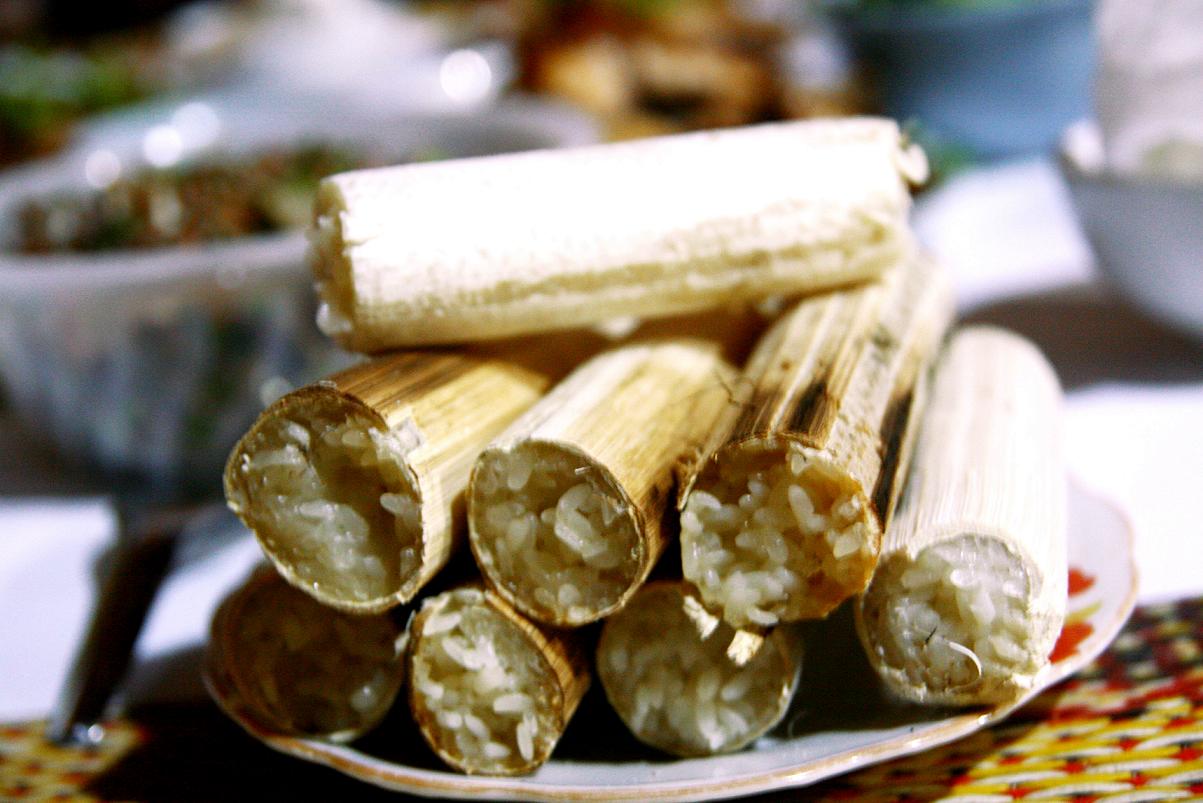 |
Bamboo-tube rice (cơm lam): sticky rice cooked inside bamboo tubes. |
 |
Grilled Stream Fish: Similar to Mu Cang Chai, Pu Luong offers its take on this fresh and flavorful dish. |
Who Pù Luông suits
Choose Pù Luông if you want a countryside stay with optional walks. You may prefer Ninh Bình if boat-based sightseeing matters more than walking between terraces. Read the Pù Luông reserve overview and Hanoi–Pù Luông transport guide before booking.

Screenshot of a review attributed to Ethan R. Discuss the activities and accommodation included in your own itinerary.
Ninh Bình: lowland paddies and boat trips

Ninh Bình offers limestone karsts, waterways, rice paddies and temples. Choose it for a different kind of countryside trip: the paddies around Tam Cốc sit among limestone hills, rather than forming the high mountain terraces associated with Sapa. That distinction matters if terrace photography is the reason for your visit.
The landscape also appears in Kong: Skull Island. Treat that as film context rather than a promise of an operating film-set attraction. (Source: Vietnam Tourism)

Boat trips, cycling and temples
Tam Cốc or Tràng An: choose a specific boat route rather than treating the two names as interchangeable. For the rice-field visit discussed here, start with Tam Cốc. Ask about boarding, time seated in the boat, shade and any walking stops before deciding whether the outing suits you.
Cycling: village lanes and paddies can be part of a countryside outing if you enjoy riding. Ask for a route matched to your confidence and a car-based alternative if you prefer not to cycle.

Bái Đính Pagoda: if a temple visit is a priority, discuss the walking and steps separately from the boat trip. A day with several stops can be demanding even when each stop is described as sightseeing.
Truly Voyage planning tip: leave time between the boat outing and another activity. Choose your base in Tam Cốc or the wider Hoa Lư area by the room, surroundings and transfer arrangements rather than a promise of avoiding all crowds.
When to visit Ninh Bình for rice
Vietnam Tourism identifies late May for golden rice around Tam Cốc. This is a location-specific cue, not a calendar for every field in Ninh Bình. If rice color is the deciding factor, ask for current conditions around your chosen boat route. (Source: Vietnam Tourism)
- For paddies beside the water: confirm whether the fields visible from the route are growing, ripening or already cut.
- For a visit outside rice season: make the limestone scenery and temples your main reason to go.
- For comfort: discuss shade, weather and boat arrangements; a seated activity still involves exposure to the conditions outside.
🍴Must-try Dishes:
| Photograph | Dish notes |
|---|---|
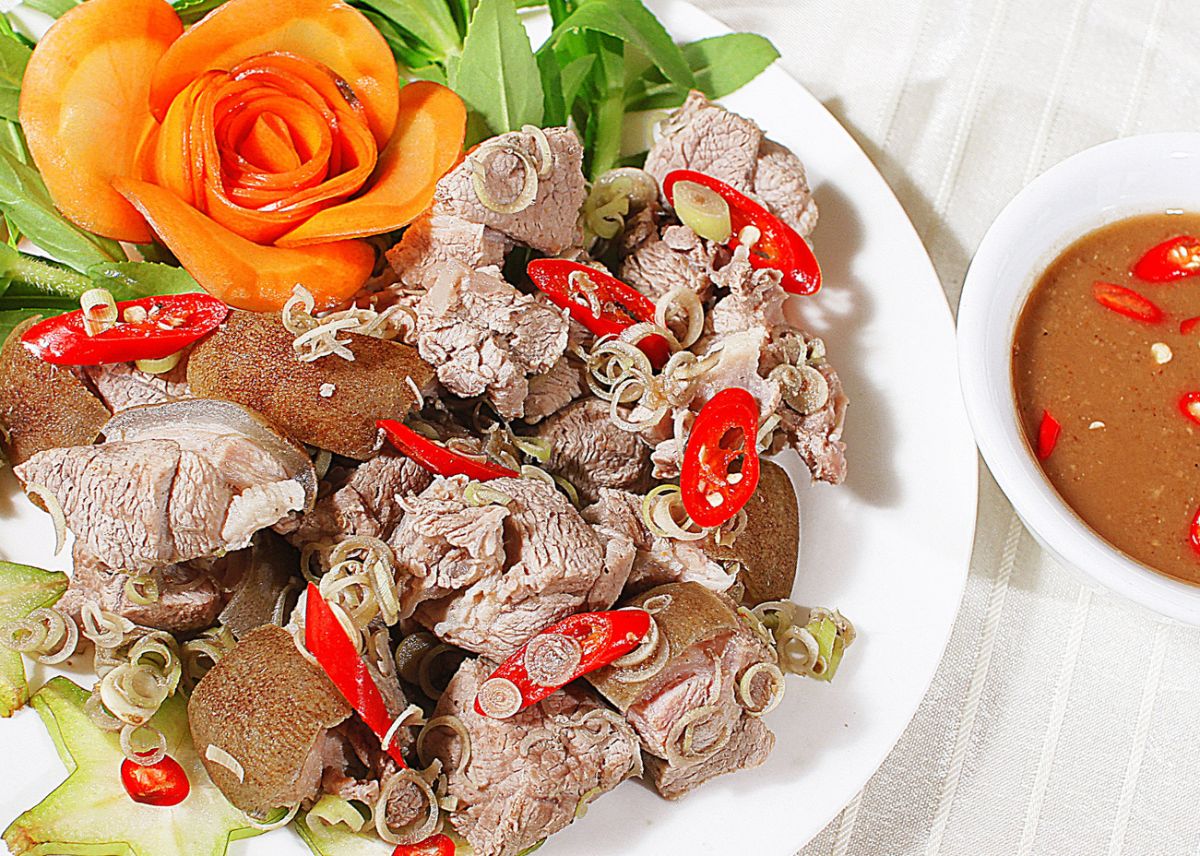 |
Goat meat: ask about the preparation and portion size if you want to try a local meat dish. |
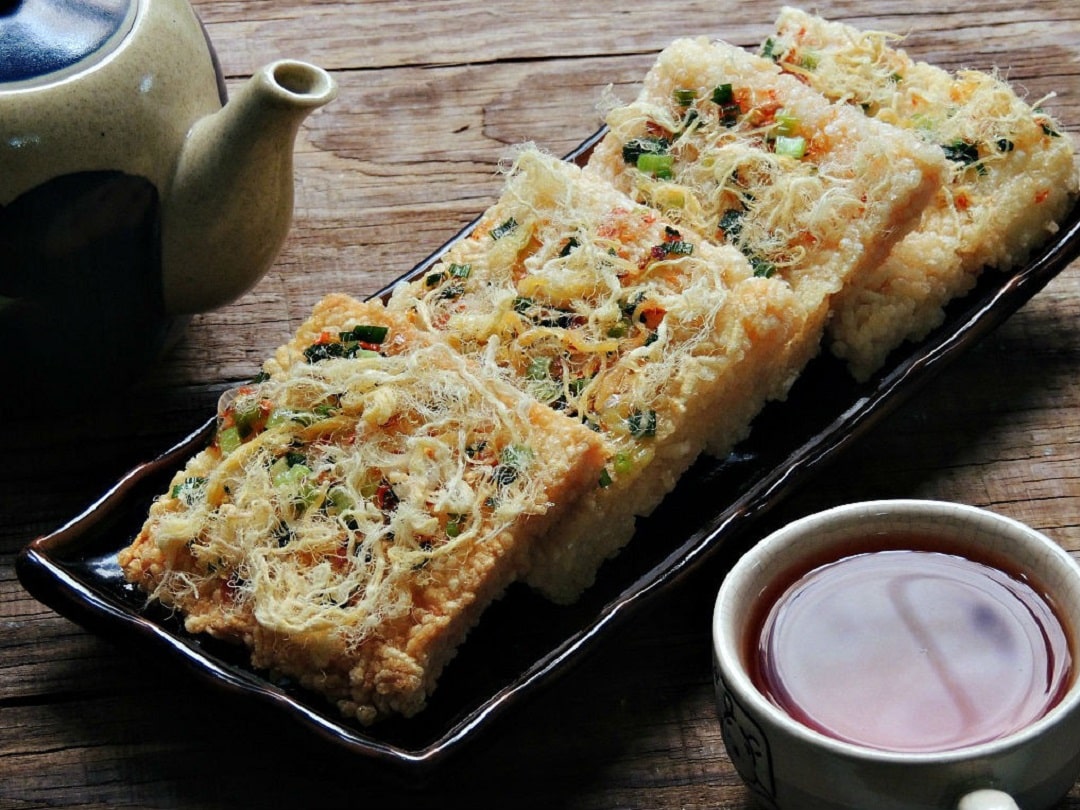 |
Crispy Burned Rice (Cơm Cháy): This crunchy rice dish, often paired with savory toppings, provides a delightful textural contrast. |
 |
Nhệch fish salad (gỏi cá nhệch): ask about the preparation and ingredients, or choose a cooked dish if you prefer. |
Who Ninh Bình suits
Ninh Bình is worth considering if you prefer boat-based landscapes and optional short walks. You may prefer Pù Luông or Mù Cang Chải if terraces on mountain slopes are essential. The Hanoi–Ninh Bình guide covers transfer choices.

Screenshot of a review attributed to Will C. about a Tràng An visit in August 2024. It describes that visitor’s outing, rather than current conditions for every trip.
Hà Giang: distinguish the Loop from Hoàng Su Phì

Hà Giang is a destination name that can hide an important itinerary choice. The familiar Loop follows mountain roads through Đồng Văn and Mèo Vạc. Hoàng Su Phì is a different terrace destination, described by Vietnam Tourism as a few hours from Hà Giang City. Do not assume that booking the Loop includes Hoàng Su Phì. (Source: Vietnam Tourism)
Choose the route before the vehicle

For mountain-road scenery: review the Hà Giang Loop, including the daily drives and overnight bases. You can discuss a car itinerary rather than choosing a motorbike by default. A passenger seat does not remove the effect of winding roads, so allow for stops and your own comfort.
For rice terraces: ask specifically for Hoàng Su Phì and the villages on the proposed route. Compare those access arrangements with Mù Cang Chải before booking. A photograph labeled Hà Giang is not enough to identify the place you will actually visit.
For local encounters: ask what can be arranged with a willing host, whether a market operates on your date and how photography will be handled. A meal, farm visit or celebration should never be assumed to be included simply because an itinerary passes through a village.
Timing a Hà Giang visit
- Choose the location: a rice-field trip and a Đồng Văn road trip need different planning.
- Choose the field stage: ask your host about planting, green growth or harvest at the specific village.
- Keep the route flexible: discuss the forecast and road conditions with the driver before departure.
🍴Must-try Dishes:
| Photograph | Dish notes |
|---|---|

|
Thắng cố: a meat-and-offal stew. Ask what meat and ingredients are used before ordering. |
 |
Ấu tẩu porridge: a local porridge option. Discuss the ingredients with your host rather than choosing it for a claimed health benefit. |
 |
Five-Colored Sticky Rice: A visually striking dish where glutinous rice is dyed using natural plant extracts to create vibrant colors. |
Who Hà Giang suits
Consider Hà Giang when the road journey itself is part of what you want. You may prefer Pù Luông or Mai Châu if you want to settle into one countryside base and keep excursions flexible. Avoid planning around a festival without confirming its actual dates and access arrangements.
Mù Cang Chải: a trip focused on rice terraces

Mù Cang Chải is a separate destination from Hà Giang. Choose it when hillside rice terraces are the main reason for the journey, then check the field stage and access to the viewpoints you want. The Mù Cang Chải overview covers the destination in more detail.
Viewpoints and village visits

Paragliding: Khau Phạ is associated with seasonal paragliding events. Confirm the operating schedule and conditions for your dates before making flights a reason to travel. You can enjoy a terrace-focused visit without flying.
Photography: La Pán Tẩn, Chế Cu Nha and Dế Xu Phình are places to discuss with a local guide. Ask where the car can stop and what remains on foot, rather than treating every viewpoint as a roadside stop.
Community visits: Hmong communities make up most of the local population, alongside other groups including Thai and Dao. Do not assume that all hosts belong to the Black Hmong group or that a stay includes cultural performances. Ask before photographing people or entering fields. (Source: Vietnam Tourism)
Accommodation: confirm private bathrooms, hot water, room access and meal options with the property you choose. Neither a homestay label nor a balcony photograph tells you whether a room meets your needs.
The approach journey: include time for rest stops on the drive and confirm the final approach to the accommodation. Avoid making a tightly timed onward connection immediately after the road transfer.
Rice seasons in Mù Cang Chải
- Water-filled terraces: Vietnam Tourism describes water pouring in late May and early June, while also referring to April and May planting. Treat this as a seasonal range to confirm locally, not an exact appointment with a field. (Source: Vietnam Tourism)
- Golden rice: September and October are the published harvest window. The color changes as individual plots ripen and are cut. (Source: Vietnam Tourism)
- Outside the rice season: travel for the landscape and village setting rather than expecting standing golden rice.
🍴Must-try Dishes:
| Photograph | Dish notes |
|---|---|
 |
Rice dishes: the photograph shows sliced rice rolls. For xôi Tú Lệ, ask what sticky-rice dishes are available when you pass through Tú Lệ valley; the photograph does not identify a particular local recipe. |
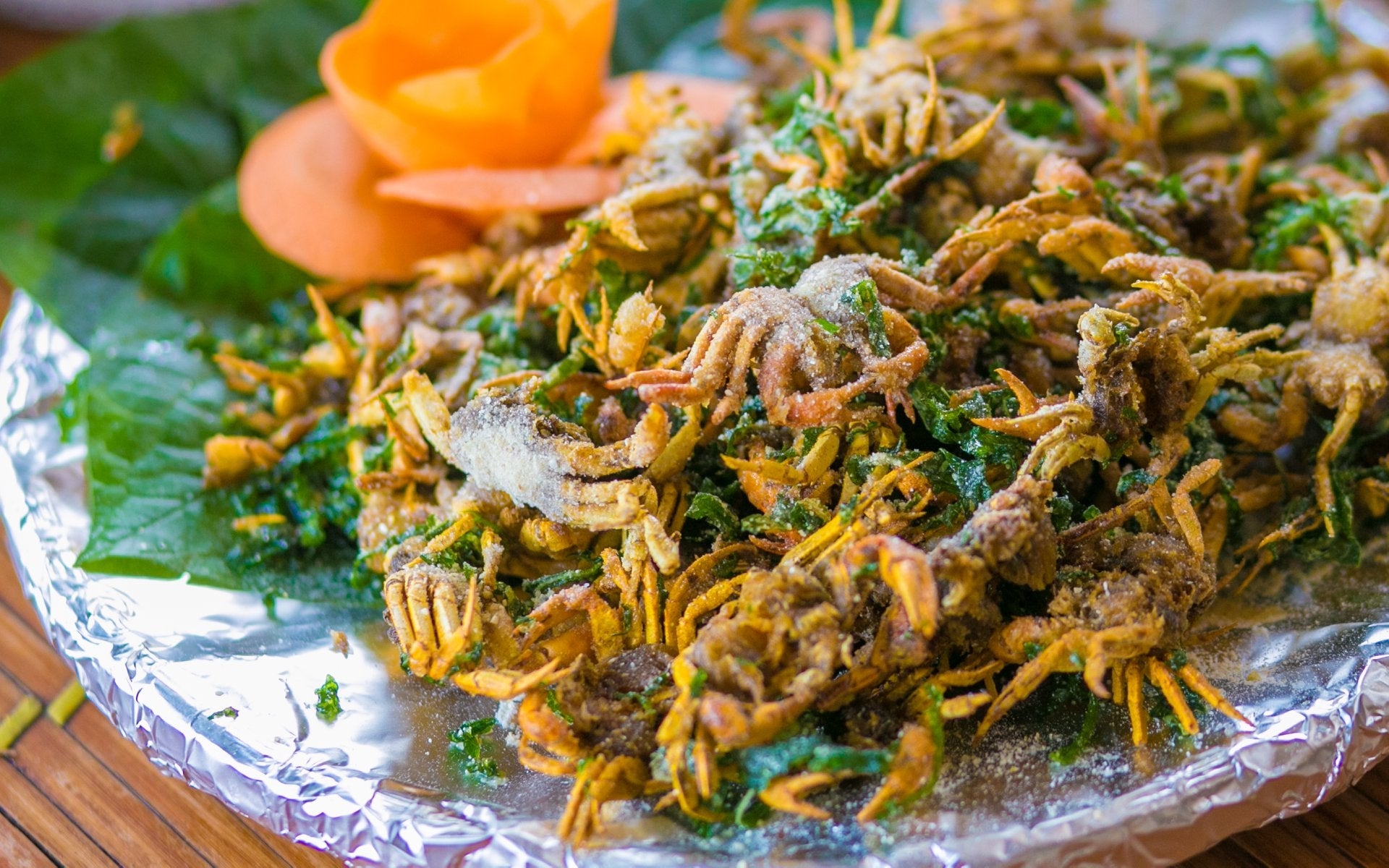 |
Salt-roasted stream crab: the dish pictured here is crab, not ant-egg sticky rice. Ask about availability and ingredients when ordering. |
Who Mù Cang Chải suits
Choose it if terrace scenery justifies the journey for you. You may prefer a nearer countryside base if driving time or access to hill viewpoints would dominate the holiday. Use the Mù Cang Chải transport guide for route planning.
Mai Châu versus Sapa: would a valley stay suit you?
Mai Châu offers a valley of paddies and villages, with White Thai stilt-house accommodation in Lác and Pom Coọng. It is a different setting from Sapa’s mountain terraces, rather than a smaller version of Sapa. (Source: Vietnam Tourism)
Consider Mai Châu valley when village paths, a countryside base and room to choose your daily activities matter more than steep hillside photography. If your main goal is the Sapa terrace landscape, keep Sapa on the shortlist and choose a route and accommodation that suit you. Pù Luông and Mai Châu are separate places; confirm transfers rather than treating their names as interchangeable.
Plan the journey, room and walking together
A transfer to Hà Giang City is not the same as reaching a Loop overnight stop or Hoàng Su Phì. Likewise, arrival in Mù Cang Chải does not mean you have reached every terrace viewpoint. Ask for a door-to-door itinerary with rest stops and the final approach included.
For Pù Luông, Vietnam Tourism gives a road journey of four to six hours from Hanoi depending on the season. For every destination, use the actual hotel and proposed route when requesting a travel estimate; a generic bus time is not a room-to-room promise. (Source: Vietnam Tourism)
Questions to send with your enquiry
- Which village and accommodation are proposed, and what is the final access like?
- How much of each outing is on foot, with what steps, surface and climbing?
- Can the walking be shortened, with a suitable pickup point?
- Does the exact room have a private bathroom, and are there steps between it and the dining area?
- What is the rice stage near that village now, and what happens if the weather changes?
- Can meals match my dietary needs, and which activities require advance arrangements?
Frequently asked questions about Sapa alternatives
Which Sapa alternative should I choose for rice terraces?
Consider Pù Luông for a countryside stay with village walks, or Mù Cang Chải for a trip focused on hillside terraces. If considering Hà Giang, ask specifically about Hoàng Su Phì; the usual Loop is a different itinerary. Confirm the rice stage at the village you plan to visit.
Is Ninh Bình a substitute for Sapa?
It is an alternative countryside experience, with limestone hills, waterways and lowland paddies. It does not reproduce Sapa’s high mountain terraces. Consider it if boat-based sightseeing appeals more than a mountain trek, while checking boarding and time seated in the boat.
Should I choose Mai Châu or Sapa?
Choose Mai Châu for a valley setting, village paths and a countryside base. Keep Sapa on the shortlist if mountain terraces are your main reason to travel. Compare the actual rooms, transfer route and planned walks rather than choosing by destination name alone.
Are these destinations suitable if I do not want long hikes?
A countryside visit can focus on views, meals and shorter outings, but suitability depends on the exact room access and route. Ask about steps, surfaces, climbing, car access and pickup points. Confirm the walking involved for the actual accommodation and outings you choose.
Choose the landscape you want to spend time in
Start with the experience that matters most: a terrace view, a boat trip, a valley stay or mountain-road scenery. Then choose the season, room and daily pace together. For a wider comparison of growing and harvest periods, continue with the Vietnam rice fields guide.
Further Reading & Resources
Sources
- Pù Luông rice fields, waterwheels and seasons Vietnam Tourism
- Where to see Vietnam’s rice terraces Vietnam Tourism
- Ninh Bình and the Tam Cốc rice season Vietnam Tourism
- Kong: Skull Island filming landscapes Vietnam Tourism
- Mai Châu valley and village stays Vietnam Tourism
- Pù Luông travel and seasonal conditions Vietnam Tourism
- Mù Cang Chải water pouring and harvest Vietnam Tourism
- The Hà Giang Loop route Vietnam Tourism
Related guides

A JOURNEY SHAPED AROUND YOU
Meet the people behind
your Vietnam plans.
Tell us what you enjoy, how you like to travel and where you would like more time. We can discuss a private itinerary around your interests and preferred pace.

Vani is the Founder and Lead Travel Designer at Truly Voyage. With over a decade of experience and a deep passion for her Vietnamese heritage, she specializes in crafting bespoke, unhurried itineraries. Vani is dedicated to helping travellers experience the authentic soul of Southeast Asia with absolute financial security and 24/7 on-ground support.
0 Comment